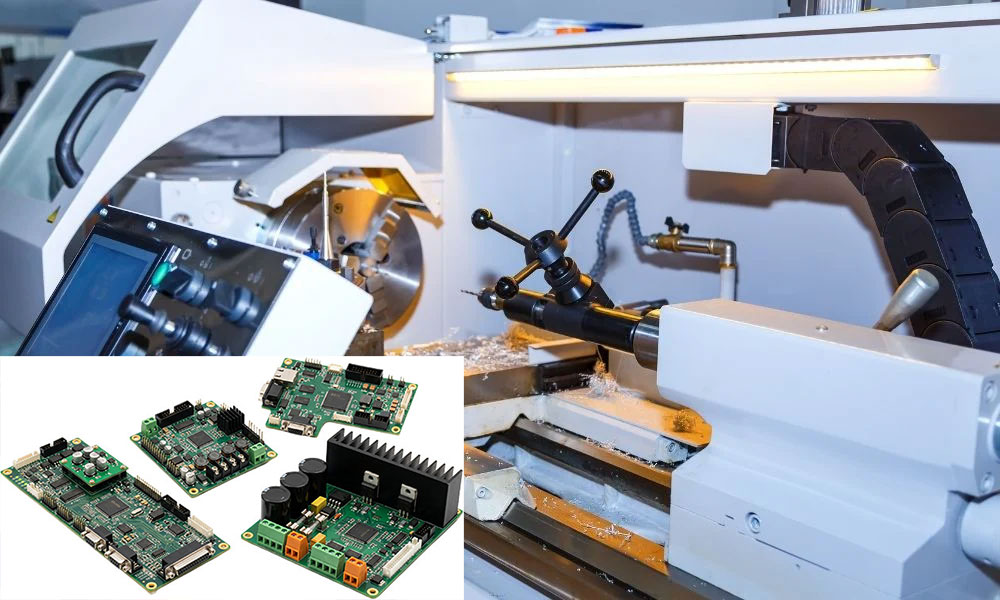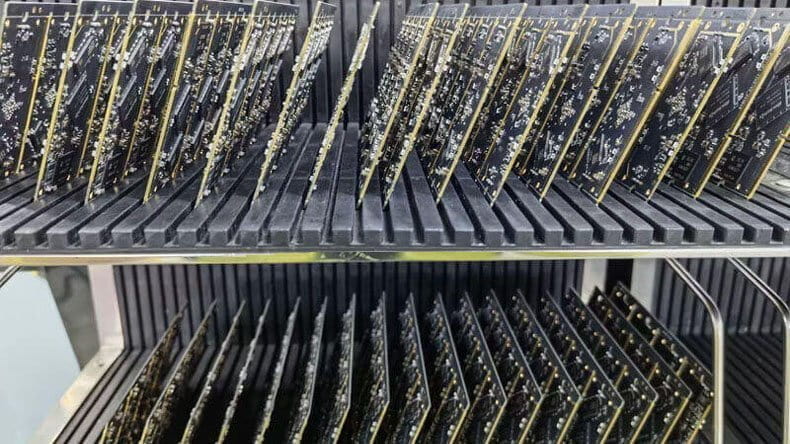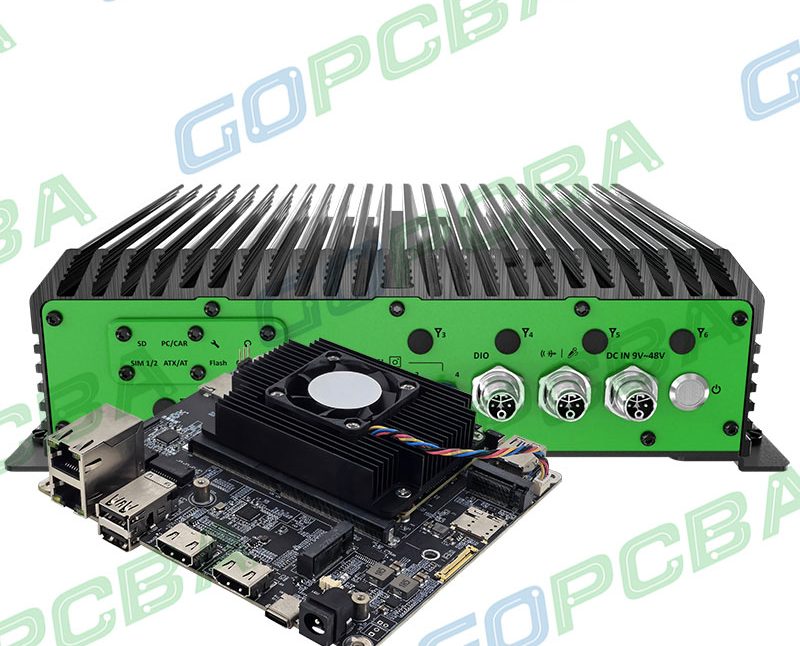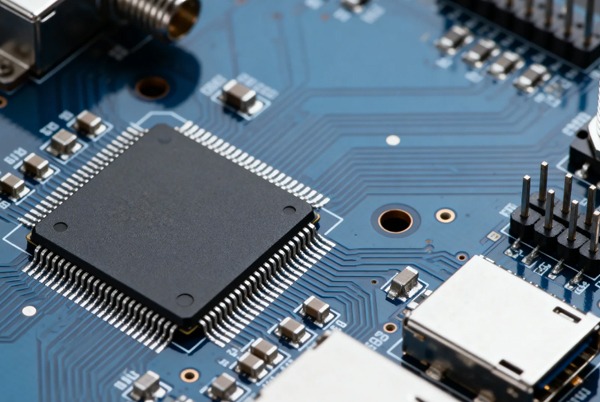
PCB Design Review Meeting: Design and Assembly Considerations Buyers and engineers often focus on the finished product and forget the production line behind it. In practice, most field failures can be traced back to process decisions made during assembly. Understanding PCB design review meeting gives you a practical advantage when…
PCB DFM Review Checklist: A Practical Manufacturing Guide Modern electronics depend on boards that are assembled correctly the first time. Every product – a phone, a charger, a medical instrument or an industrial controller – relies on thousands of solder joints that must conduct current for years. This article explains…
PCB DRC Rule Setup: Design and Assembly Considerations Electronics manufacturing has become a discipline of small details. Solder paste volumes, placement accuracy, temperature profiles and inspection limits all add up to the final result. This guide looks at PCB DRC rule setup from the perspective of a PCBA factory floor,…
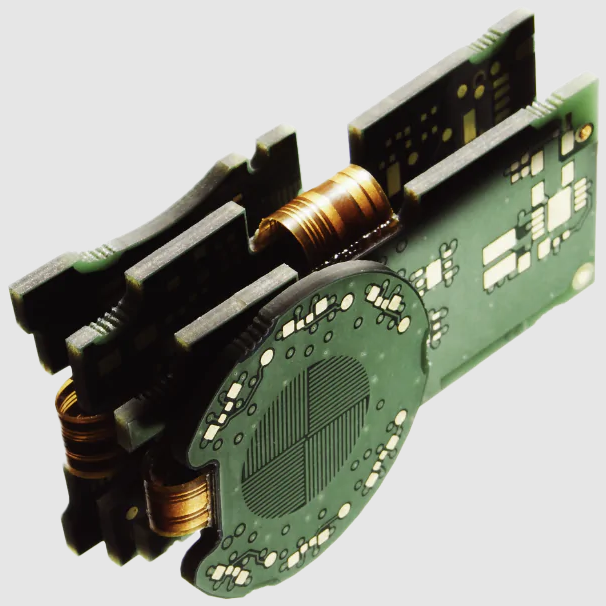
3D Printed PCB Prototyping: What It Can Do Printing a circuit instead of etching one has moved from a laboratory demonstration to a practical prototyping method for some applications. The technology works, but its resolution, materials and electrical behaviour differ from a conventional board in ways that decide where it…
Crystal and Oscillator Layout: Load Capacitance and Jitter A crystal oscillating at twenty megahertz is a resonator with a very high quality factor, and it will oscillate at whatever frequency the circuit around it presents. The layout is part of that circuit. How the Oscillator Works The crystal sits in…
Inductive Proximity Sensor Circuit Design An inductive proximity sensor detects a metal target without touching it, using a coil that generates an alternating magnetic field and a circuit that notices when the field loses energy to a nearby conductor. It works in dust, oil and water where optical sensors fail,…
Thermal Shock Testing of Plated Holes and Vias on PCBs Thermal shock testing exposes plated holes to repeated changes in temperature and then inspects them for cracks, and it is the standard way to demonstrate that a barrel can survive the assembly process. The test is simple to describe and…
Sensor Interface Layout: Protecting Low Level Signals A sensor that produces a few millivolts is competing with a board full of switching currents. The layout decides how much of the board’s noise reaches the measurement, and the countermeasures are geometric rather than electrical. What Makes a Low Level Signal Vulnerable…
Ultrasonic Sensor Interface Circuit Design An ultrasonic sensor measures distance by timing how long a burst of sound takes to travel out and back, which means the electronics has to do two quite different jobs. It has to drive a transducer with enough energy to produce a detectable echo, and…
PCB Audio Circuit Layout: Keeping Analog Quiet Audio is usually the last subsystem to receive attention on a dense board and the first that a user notices. A receiver that hisses, a headphone output that clicks when the radio transmits or a speaker that distorts at high volume are layout…