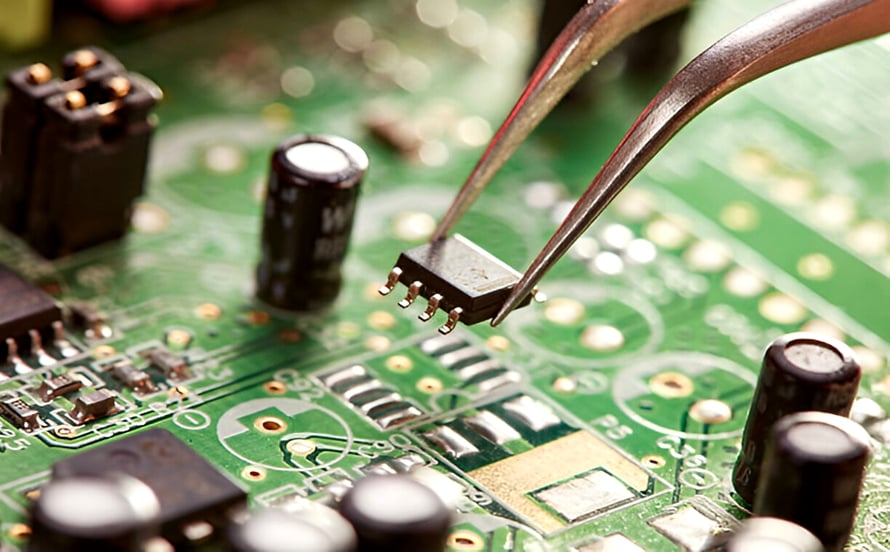
PCB Depaneling: Methods and Effect on Assembly A panel of circuit boards has to be separated into individual units at some point, and the method used decides how much mechanical stress the assemblies see, how clean the edges are and how much handling damage is introduced at the very end…
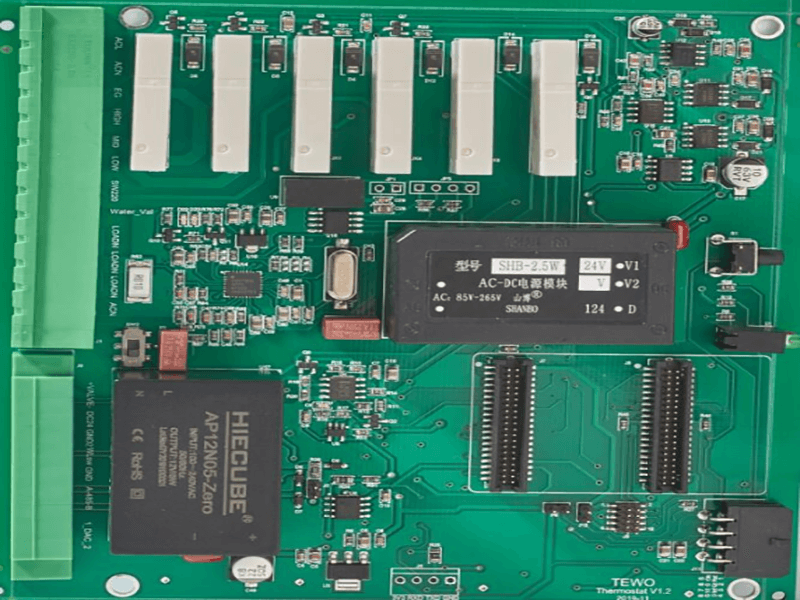
High-Speed PCB Quality Control: Standards and Acceptance Quality control on a conventional board is built around visual and electrical criteria: no shorts, no opens, no exposed copper and a plating thickness within the specification. On a high speed board those criteria are still necessary but they are no longer sufficient,…
PCB Card Guide and Retention: Design and Assembly Considerations Electronics manufacturing has become a discipline of small details. Solder paste volumes, placement accuracy, temperature profiles and inspection limits all add up to the final result. This guide looks at PCB card guide and retention from the perspective of a PCBA…
PCB Mounting Hole Rules: A Practical Manufacturing Guide Electronics manufacturing has become a discipline of small details. Solder paste volumes, placement accuracy, temperature profiles and inspection limits all add up to the final result. This guide looks at PCB mounting hole rules from the perspective of a PCBA factory floor,…
PCB Screw Torque for A Board: Process Details and Inspection Points Electronics manufacturing has become a discipline of small details. Solder paste volumes, placement accuracy, temperature profiles and inspection limits all add up to the final result. This guide looks at PCB screw torque for a board from the perspective…
PCB Copper Plating and Via Filling: How They Differ Copper plating and via filling are often discussed as if they were alternatives for the same requirement. They are not. Plating deposits a thin layer of copper on the wall of a drilled hole to make an electrical connection, while filling…
PCB Backplane Design: From Prototype to Volume Production Buyers and engineers often focus on the finished product and forget the production line behind it. In practice, most field failures can be traced back to process decisions made during assembly. Understanding PCB backplane design gives you a practical advantage when you…
PCB Daughter Card Spacing: What Matters on the Production Line Electronics manufacturing has become a discipline of small details. Solder paste volumes, placement accuracy, temperature profiles and inspection limits all add up to the final result. This guide looks at PCB daughter card spacing from the perspective of a PCBA…
PCB Stacking Connectors: From Prototype to Volume Production Modern electronics depend on boards that are assembled correctly the first time. Every product – a phone, a charger, a medical instrument or an industrial controller – relies on thousands of solder joints that must conduct current for years. This article explains…
PCB Card Edge Connector Layout: Key Process and Quality Checks Modern electronics depend on boards that are assembled correctly the first time. Every product – a phone, a charger, a medical instrument or an industrial controller – relies on thousands of solder joints that must conduct current for years. This…