PCB Guard Trace Design: Practical Process Controls Modern electronics depend on boards that are assembled correctly the first time. Every product – a phone, a charger, a medical instrument or an industrial controller – relies on thousands of solder joints that must conduct current for years. This article explains PCB…
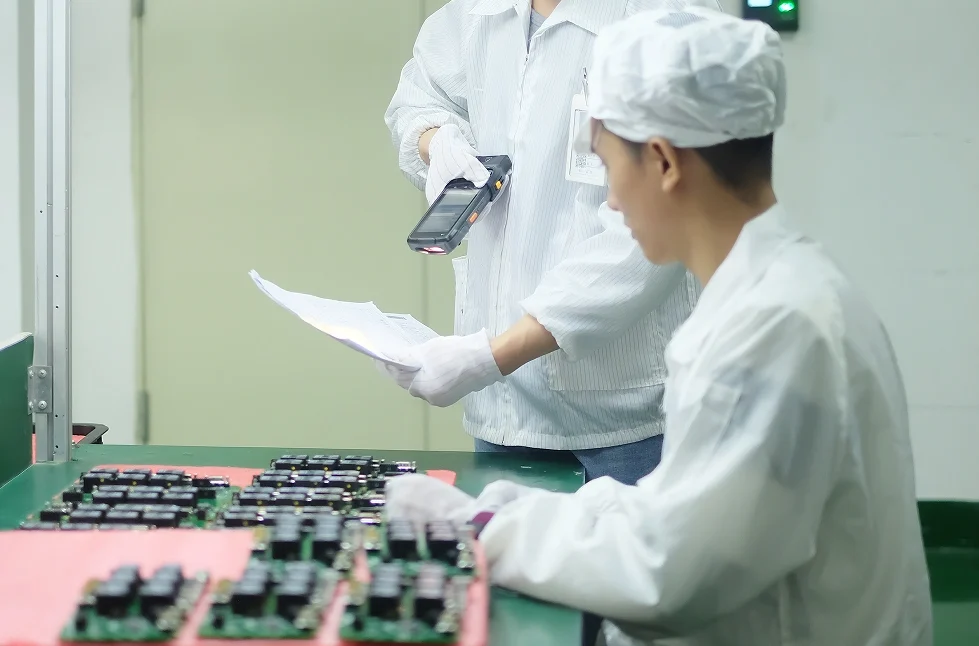
PCB Trace Spacing for Crosstalk Control: From Design to Repeatable Production Modern electronics depend on boards that are assembled correctly the first time. Every product – a phone, a charger, a medical instrument or an industrial controller – relies on thousands of solder joints that must conduct current for years.…
PCB Controlled Impedance Differential Pair: From Design to Repeatable Production Modern electronics depend on boards that are assembled correctly the first time. Every product – a phone, a charger, a medical instrument or an industrial controller – relies on thousands of solder joints that must conduct current for years. This…
First Article Approval: What It Confirms Before Production The first article approval is the point at which the production setup is confirmed against the product, and it is the cheapest defect-removal mechanism in the whole process. Everything that is wrong at that moment is still cheap: a stencil can be…
Process Capability Upgrades for Volume Electronics Assembly When a product moves from a small batch into a programme that runs for months, the process that produced an acceptable first batch is often not the process that will produce a consistent thousandth. Process capability is the property that has to change,…
PCB Epoxy Potting for Connectors: Design, Process, and Quality Notes Electronics manufacturing has become a discipline of small details. Solder paste volumes, placement accuracy, temperature profiles and inspection limits all add up to the final result. This guide looks at PCB epoxy potting for connectors from the perspective of a…
PCB Jumper Wire Repair: A Practical Manufacturing Guide Buyers and engineers often focus on the finished product and forget the production line behind it. In practice, most field failures can be traced back to process decisions made during assembly. Understanding PCB jumper wire repair gives you a practical advantage when…
High Frequency Material Selection for Multilayer Boards The choice of laminate for a multilayer board used to be a decision about the operating temperature and the cost. For boards carrying high speed interfaces it has become an electrical decision, because the material contributes a measurable part of the total loss…
PCB Pad Repair After Lift: Design and Assembly Considerations Electronics manufacturing has become a discipline of small details. Solder paste volumes, placement accuracy, temperature profiles and inspection limits all add up to the final result. This guide looks at PCB pad repair after lift from the perspective of a PCBA…
Fabricating High Layer Count Boards from Twenty to Forty Layers Above twenty layers, board fabrication stops behaving like an enlarged version of an ordinary process and starts behaving like a different one. The reason is cumulative: every additional pair of layers adds a lamination cycle, and every lamination cycle adds…