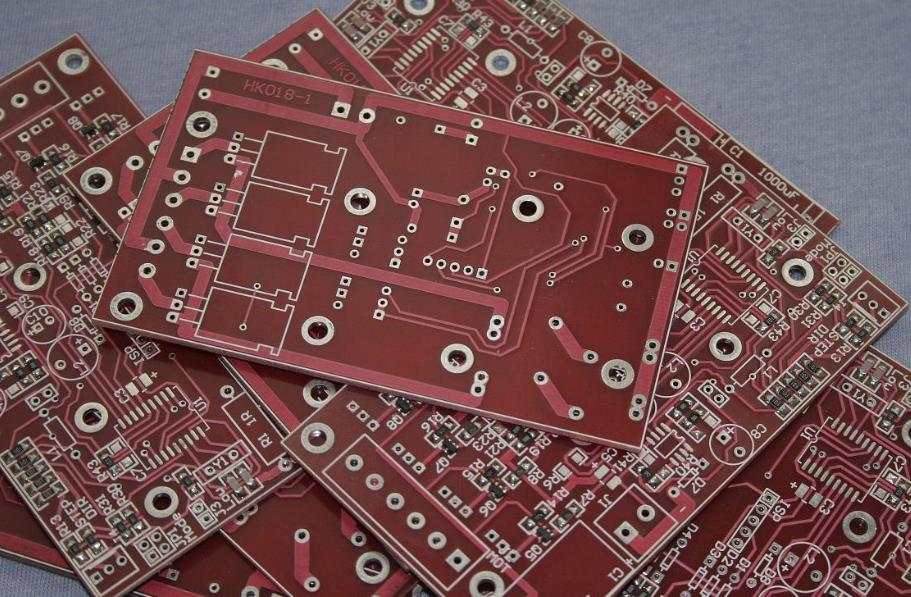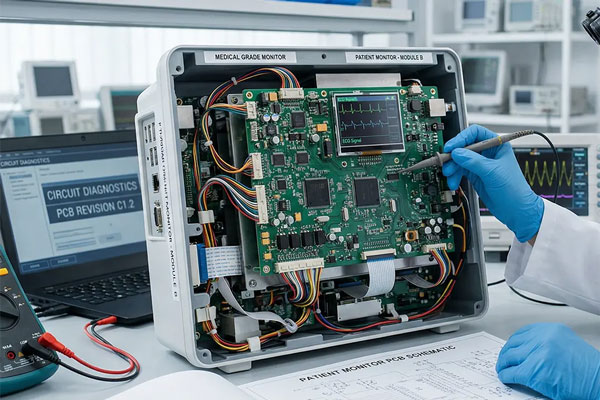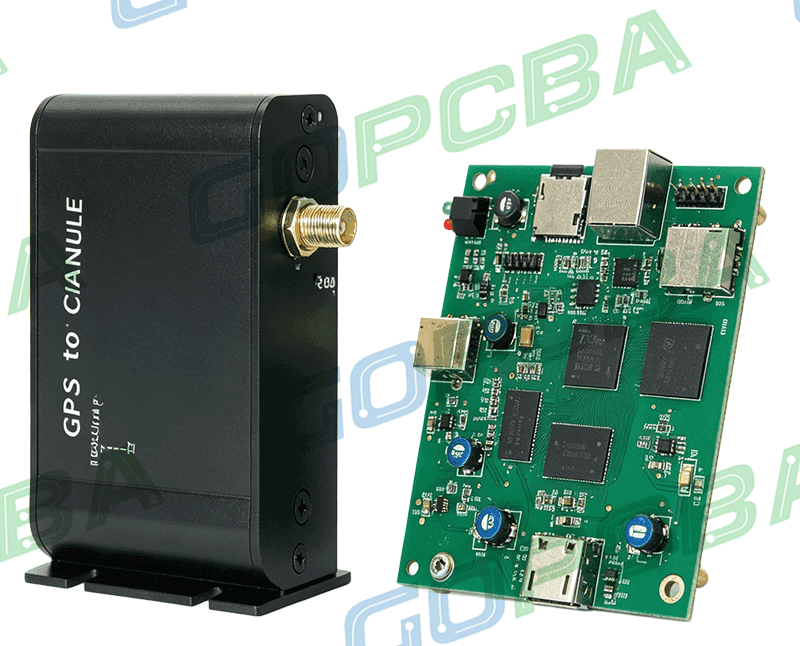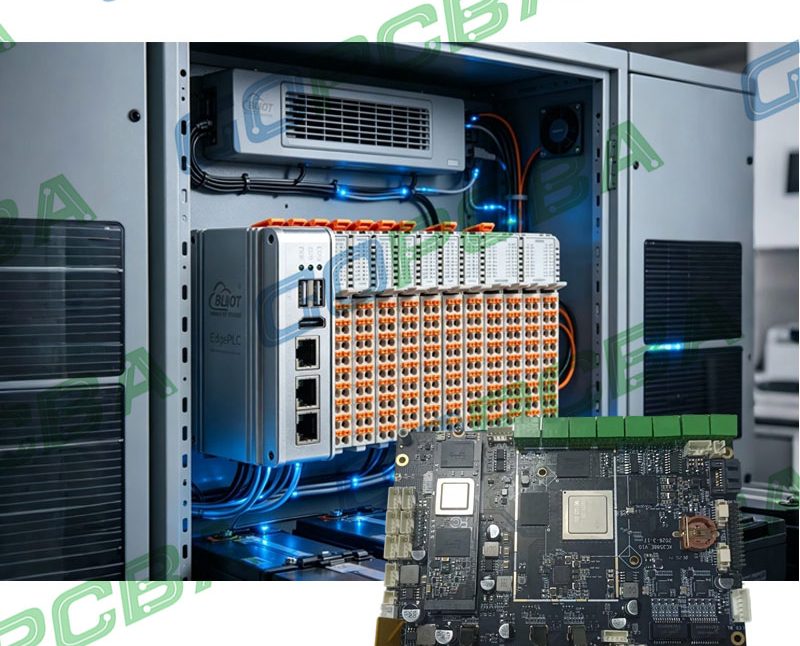
Converter PCB Cost: Prototype to Volume Breakdown Why Converter Boards Cost More Than Control Boards A converter board moves energy between voltage levels or between alternating and direct current. Compared with a plain control board of the same layer count it means heavier copper, a denser thermal layout and more…
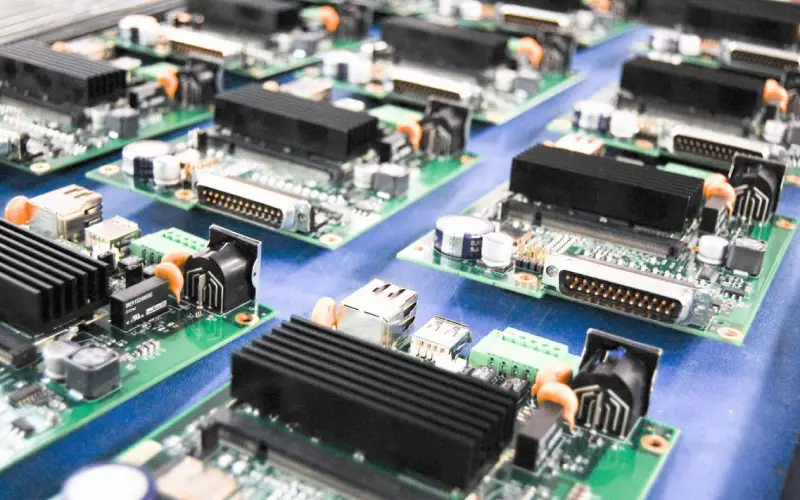
PCB Shipping Damage Prevention: What Matters on the Production Line Electronics manufacturing has become a discipline of small details. Solder paste volumes, placement accuracy, temperature profiles and inspection limits all add up to the final result. This guide looks at PCB shipping damage prevention from the perspective of a PCBA…
Metal Stiffeners for Flexible PCBs: Selection and Assembly Local Rigidity in a Flexible Design Flexible circuits solve the problem of routing interconnect through confined, curved or moving spaces, but flexibility is not wanted everywhere. Connectors need to sit at a controlled height. Component pads need to stay flat through reflow.…
PCB Vacuum Packaging for Shipping: Removing the Air Buyers and engineers often focus on the finished product and forget the production line behind it. In practice, most field failures can be traced back to process decisions made during assembly. Understanding PCB vacuum packaging for shipping gives you a practical advantage…
PCB Humidity Indicator Card: Key Process and Quality Checks Buyers and engineers often focus on the finished product and forget the production line behind it. In practice, most field failures can be traced back to process decisions made during assembly. Understanding PCB humidity indicator card gives you a practical advantage…
PCB Desiccant Selection: Practical Process Controls Electronics manufacturing has become a discipline of small details. Solder paste volumes, placement accuracy, temperature profiles and inspection limits all add up to the final result. This guide looks at PCB desiccant selection from the perspective of a PCBA factory floor, covering picking the…
PCB Traces: Width, Copper Weight and Current Capacity The Copper That Carries Everything Every electrical function on a printed circuit board is performed through copper traces. They replaced discrete wiring decades ago, and they now carry both power and signal across the same substrate, at current levels from microamps to…
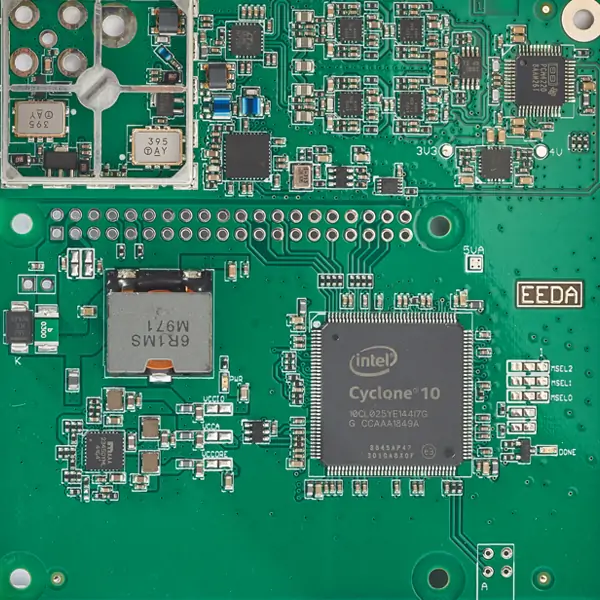
Why Are PCBs Green? PCB Design, PCB Manufacturing & Solder Mask Explained If you have ever opened a laptop, smartphone, computer, industrial controller, or other electronic device, you have probably noticed the familiar green circuit board inside. But why are PCBs green? The answer is relatively simple: the green color…
PCB Moisture Barrier Bag Sealing: From Design to Repeatable Production Buyers and engineers often focus on the finished product and forget the production line behind it. In practice, most field failures can be traced back to process decisions made during assembly. Understanding PCB moisture barrier bag sealing gives you a…
Multilayer Flex PCB Assembly: Materials, Process and Cost When a Board Has to Bend The pressure toward thinner, denser and more capable products has pushed flexible circuit technology from a niche into a mainstream design choice. A multilayer flexible board combines the routing density of a multilayer rigid board with…