Washing Machine PCB: Design for Moisture, Voltage and Vibration An Appliance Duty Cycle That Never Stops A washing machine is one of the harshest environments a consumer product creates for its own electronics. The board sits inside a cabinet that fills with water vapour and condensation, drives a motor that…
PCB Coating Cure Verification: Proving the Coating Is Dry Buyers and engineers often focus on the finished product and forget the production line behind it. In practice, most field failures can be traced back to process decisions made during assembly. Understanding PCB coating cure verification gives you a practical advantage…
PCB Electrochemical Migration Test: Watching Metal Move Buyers and engineers often focus on the finished product and forget the production line behind it. In practice, most field failures can be traced back to process decisions made during assembly. Understanding PCB electrochemical migration test gives you a practical advantage when you…
Oil Resistant PCB: Black Solder Mask for Harsh Environments Boards That Live in Oil Most circuit boards operate in air. A growing number operate in oil mist, lubricant spray, hydraulic fluid and chemical vapour, bolted to machinery that runs continuously in a mine, a machine shop, a transmission housing or…
PCB Network Analyzer Calibration: A Factory-Floor Review Modern electronics depend on boards that are assembled correctly the first time. Every product – a phone, a charger, a medical instrument or an industrial controller – relies on thousands of solder joints that must conduct current for years. This article explains PCB…
PCB Plating Thickness: Copper, Nickel and Gold Explained The Numbers That Decide Whether a Board Lasts Plating thickness is one of the least visible specifications on a circuit board and one of the most consequential. A copper layer a few micrometres too thin raises the resistance of every via on…
PCB Ionic Test Solvent Extraction: Practical Process Controls Buyers and engineers often focus on the finished product and forget the production line behind it. In practice, most field failures can be traced back to process decisions made during assembly. Understanding PCB ionic test solvent extraction gives you a practical advantage…
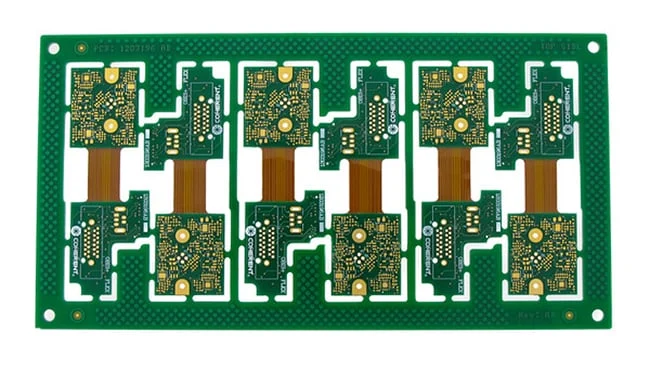
Rigid-Flex Stiffener PCB: Materials, Cost and Design Rules Making One Part of a Flexible Circuit Rigid A flexible circuit is valued for being able to bend, but there are places on almost every flex design where bending is the last thing you want. A connector has to sit flat and…
PCB Low Standoff Cleaning: From Design to Repeatable Production Modern electronics depend on boards that are assembled correctly the first time. Every product – a phone, a charger, a medical instrument or an industrial controller – relies on thousands of solder joints that must conduct current for years. This article…
Flexible PCB Coverlay: Material, Thickness and Openings The Layer Nobody Discusses Until It Fails When a flexible circuit is designed, attention goes to the base film, the copper weight and the bend radius. The coverlay, the protective layer laminated over the finished conductors, is usually specified last and discussed least.…