
Low-Cost PCB Assembly in China: Quality and Cost Control
A low quotation tells you what a supplier will charge. It does not tell you what the board will cost once rework, delays and field returns are counted. The difference usually sits in decisions made before the first panel is built. This review walks through the cost drivers of PCB assembly in China and the checks that keep quality stable. Each section explains what a buyer or engineer should verify before releasing a build.
China remains a practical base for cost-sensitive assembly because fabrication, component distribution, assembly and test sit close together. That proximity cuts freight and shortens scheduling loops. It also means a buyer can compare suppliers on process evidence rather than on price alone. The goal is the lowest total cost that still meets the reliability target. That balance is what separates a real saving from a deferred problem.
Cost Drivers in PCB Assembly
Assembly cost is not driven by component count alone. Board construction, package mix, order quantity, test coverage and schedule all move the number. A dense board with fine-pitch parts needs tighter process control than a simple through-hole design. A rush order needs expedited purchasing and extra line time. Understanding these levers before quoting helps engineers remove cost where it is safe and protect it where it is not.
Most of the saving comes from design and planning, not from squeezing the line. A practical stackup, sensible spacing and approved alternates reduce risk at almost no cost. Buyers should ask which cost drivers the supplier measured and which were assumed. A quote built on assumptions tends to move once production starts. A quote built on reviewed files holds its shape.
Stackup and Design Choices
Layer count, copper weight and surface finish all affect fabrication cost. Adding layers raises material use and process steps. Controlled impedance, blind vias and special materials add more. None of these is wrong when the product needs them. The mistake is paying for precision nothing uses. Engineers should match the stackup to the electrical and mechanical requirement, then leave the rest at a commercial level.
Design complexity also drives assembly difficulty. Fine-pitch packages, small passives and dense placement need better equipment and more inspection. Practical component spacing and manufacturable hole sizes reduce both. A design review before tooling is the cheapest place to catch these issues. Fixing a pad geometry in the file costs a message. Fixing it after the first lot costs panels.
One common failure mode is a pad that is slightly too small for the intended package. Paste release drops, the joint forms weak, and the defect appears only after thermal cycling. Another is silkscreen or mask clearance that crowds a fine-pitch lead and causes bridging at reflow. Both trace back to the file, not the machine. Buyers should request a written DFM report that lists each flagged feature and the recommended change.
Materials and Component Sourcing
Component choice affects more than the bill of materials. Quality, availability, lifecycle and supply stability all matter. The lowest unit price is not always the lowest total cost. A part that goes short mid-run can stall a line and force a substitution. A detailed BOM with manufacturer part numbers, approved alternates and package types gives the assembler room to source well and flag risk early.
Consolidated purchasing and supplier management can lower procurement cost without cutting quality. Buyers should ask how the supplier qualifies parts and how it handles a supply change. A plating change or a different paste batch can shift the process with no machine warning. Good factories qualify materials, check certificates and keep alternates approved in advance. That discipline keeps a supply issue from becoming a quality incident.
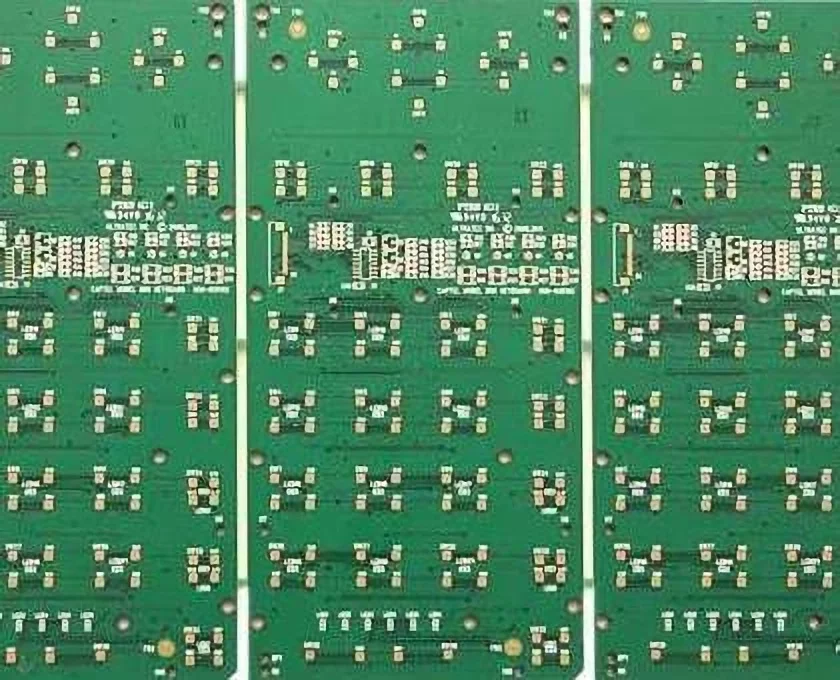
Counterfeit and re-marked parts remain a real risk on cost-sensitive jobs. Buyers should ask which channels the supplier uses and whether incoming inspection checks marking, packaging and date codes. A part that arrives from an unverified broker may work in the sample and fail in the field. Written sourcing rules, approved vendor lists and lot traceability cost little to put in place. They protect the schedule as much as the product.
Panelization and Order Quantity
Board size and panel layout influence material use and line efficiency. Efficient panelization fits more units on one production panel and cuts waste. It should not be based on size alone. Spacing, tooling, component placement, assembly orientation and depanelization all shape the result. A practical panel strategy balances material use, assembly speed and board quality.
Quantity changes the unit price because setup costs spread across more units. Prototype runs carry engineering, programming, stencil and inspection costs on few boards. Larger orders spread those costs and can improve purchasing terms. This is why rapid PCBA prototyping belongs to development, while volume follows once the design is validated. Buyers should match the order type to the project stage.
Panel design also creates its own defects when it is rushed. A rail that is too narrow can flex during handling and crack joints near the board edge. Poorly placed fiducials slow placement and raise misalignment risk. Mouse-bite or V-score choices affect how cleanly the board separates and whether stress reaches nearby components. Buyers should confirm the panel drawing and the depanelization method before the stencil is cut.
Process Control on the Line
The result depends on the whole chain, not one machine. The printer controls solder volume, the placement machine positions parts and the reflow oven forms joints. Each step feeds the next, so they should be reviewed as one process. A faster placement speed may save time today and create defects tomorrow. A thicker stencil may fix opens and cause bridges. Process settings must be checked against their effect on the rest of the line.
Training and documentation support that control. Operators should understand why a parameter window exists before adjusting it. Inspectors should know what a real defect looks like. Records should show which program ran, which materials were used and what inspection found. That record is the fastest way to trace a field return. It also proves that a fix reached the next batch.
Solder paste handling is a frequent source of drift on cost-sensitive lines. Paste that sits too long, warms too slowly or is reworked from an old jar prints unevenly. The result is opens on fine-pitch parts and insufficient fillets on larger pads. Buyers should ask how paste is stored, how old a jar may be and how often the stencil is cleaned. These small rules decide whether the first panel and the last panel match.
Inspection and Test Coverage
Inspection catches defects before shipment, but its real value is feedback. When a joint fails, the engineer learns whether paste, placement or reflow caused it. That closed loop pushes defect rates down over time. Boards that pass visual checks still need electrical verification. A cracked joint or wrong part often shows only under power. In-circuit and functional test each add confidence.

Test strategy should follow component density, technology and reliability needs. Cutting essential test to lower the price shifts cost to the customer later. A structured PCBA testing plan, matched to the product, is part of the real cost. Buyers should ask which tests run, what they cover and what they leave open. Clear answers here are worth more than a lower unit price.
Choosing a Manufacturing Partner
Choosing on price alone ignores the risks that decide total cost. A reliable supplier offers the right balance of price, capability, engineering support and delivery. Check the equipment for SMT PCB assembly and through-hole work, plus inspection and test. Ask how DFM feedback is handled and who reviews the files before tooling. These answers show whether the supplier works as a partner or as a vendor.
Transparency matters as much as hardware. A good supplier explains sourcing, fabrication, assembly, inspection and delivery steps. It raises engineering questions before building rather than guessing. It reports risks honestly and keeps delivery promises. Buyers should also ask how quality management is recorded and reviewed. Documents that are easy to produce on request are usually kept honestly during production.
A useful audit question is what happens when a lot fails inspection. Strong suppliers quarantine the lot, trace the cause and report the corrective action in writing. Weak ones rework quietly and ship. Buyers should also ask for first-article records and a sample of recent inspection data. These documents show whether the process is measured or merely described. A short conversation about a real defect often reveals more than a full brochure.
Balancing Quality and Cost
The better target is the lowest practical total cost at the required quality. Design optimization is the most effective lever. Review layer count, packages, materials, board size, panelization and availability before release. Supply-chain stability reduces purchasing cost and the risk of line stops. Process optimization cuts handling, setup time, waste and rework. Together these lower cost without touching the reliability the product needs.
This balance holds across order sizes. Small and medium production benefits from flexible quantities, efficient sourcing and a smooth path from prototype to volume. As demand grows, the same process and records should carry over. That continuity is what makes high-volume PCB assembly predictable. A supplier that keeps its data and its process stable across stages is cheaper in the long run than one that quotes low and surprises later.
A cost-effective quote should reflect reviewed files, not assumptions. Send accurate Gerbers, a complete BOM, drawings and assembly requirements so the supplier can evaluate the job properly. Ask which cost drivers were measured and which tests are included. Compare suppliers on process evidence, sourcing discipline and delivery record. The lowest total cost is the one you can repeat build after build, with quality that holds in the field.