


Cost-Effective Security PCB Manufacturing That Stays Reliable
Security hardware rarely fails in a convenient place. A camera on a pole, a reader at a gate, or an alarm panel in a plant room must keep working through heat, humidity, vibration, and years of continuous power. The circuit board underneath carries that duty. Cost control matters, but it has to come from smart material and layer choices rather than from cutting process control. This guide explains where the money actually sits in a security board build.
Buyers often compare quotes on price per square meter and stop there. That number hides the decisions that decide field life: copper weight, surface finish, impedance control, and test coverage. A board that saves a little at fabrication can cost far more in returns and rework. The sections below walk through the requirements, the cost levers, and the checks worth writing into a purchase order before the first panel is released.
Core Requirements For Security Boards
Security equipment lives outdoors, in industrial cabinets, and in public spaces. The board must hold stable signal transmission while resisting temperature swings and moisture. Electromagnetic compatibility matters too, because cameras and readers sit near radios, motors, and switching supplies. These demands push design toward multilayer structures, controlled impedance on high-speed lines, and careful separation of power and ground. None of that is optional when the product runs unattended for years.
Modern units pack more into less space. A single camera may combine a high-resolution sensor, an image processor, storage, networking, and wireless links. Each function adds routing density and power demand. The board must carry fast differential pairs, deliver clean supply rails, and spread heat away from sensitive parts. Engineers should define these needs early, because layer count and material choice are hard to change once tooling begins. The stackup is where cost and reliability meet.
Where Cost Really Comes From
Cost in a security board build comes from four places: material, layer count, process steps, and yield. Material price rises with glass transition temperature and high-frequency grades. Layer count drives drilling, lamination, and inspection time. Process steps such as via filling, heavy copper plating, or tight tolerance routing add labor and risk. Yield ties them together, because a process that runs cleanly costs less than one that needs rework. Buyers should ask which of these four drives their quote.
Optimization does not mean downgrading the specification. It means matching each choice to the real duty. A board that never sees high-frequency signals does not need an expensive laminate. A design with generous spacing does not need the finest lines the factory can hold. Conversely, a camera board with fast interfaces should not be pushed onto a cheap stackup that forces long stubs and poor return paths. The right answer is a deliberate tradeoff, documented and agreed before production.
Stackup And Material Choices
The stackup decides signal behavior before any copper is etched. A four-layer board with solid ground and power planes suits many access control and alarm designs. It gives short return paths and reasonable shielding at modest cost. Cameras with fast differential pairs often need six or more layers so that signal, power, and ground stay separated. Adding layers costs money, but it can remove the need for extra shielding and reduce debug time. That tradeoff is worth modeling early.
Material selection follows the same logic. Standard FR-4 handles most security products well. High-TG grades help where the board sees sustained heat, such as in a sealed outdoor housing. High-frequency laminates enter only when the signal loss budget demands it, because they raise both material and process cost. Engineers should state the loss and impedance targets rather than naming a brand. The factory can then propose a stackup that meets the target without overspending on grades the product cannot use.
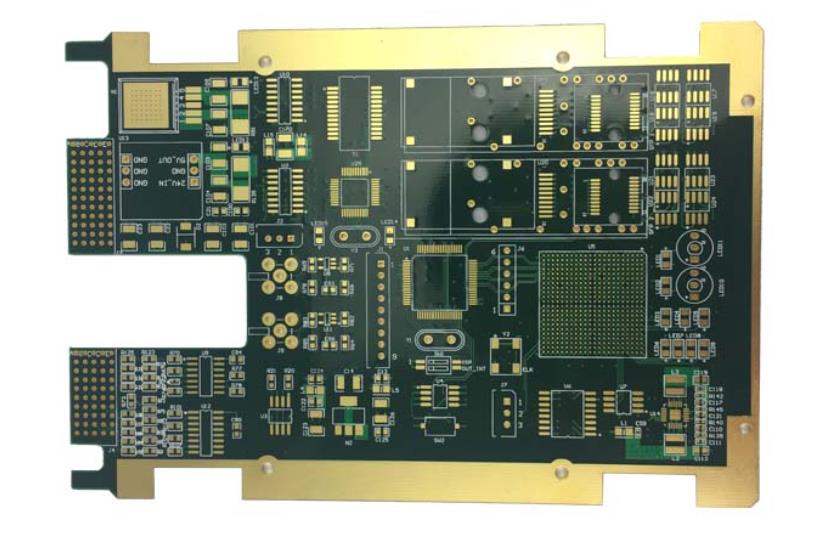
Copper weight is a quiet cost driver that buyers often overlook. One-ounce copper suits most signal layers, but power planes and thermal pads may need two ounces or more. Heavier copper improves current capacity and heat spreading, yet it narrows the etch window and raises the minimum trace width. A design that demands heavy copper everywhere pays for it in every layer. Engineers should reserve heavy copper for the layers that carry current and keep signal layers at standard weight.
Process Control And Lamination
Consistency separates a reliable supplier from a cheap one. Security boards may run for a decade, so small process drifts become field failures. Lamination control keeps layer registration tight and prevents resin voids. Drilling parameters protect barrel quality in thick boards. Plating thickness must stay within the agreed window, because thin copper in a via fails under thermal cycling. Each of these steps needs recorded settings and periodic checks, not just a passing first article.
Solder mask and surface finish also carry risk. A finish that suits fine-pitch parts may not suit a board with large thermal pads. Mask adhesion matters on boards that see cleaning and coating. Buyers should confirm that the finish in the quote matches the assembly plan, because changing it later adds cost and may force a new qualification. When the board also needs component placement, the finish and pad geometry should be reviewed alongside the PCB assembly process so both sides agree on the joint requirements.
Registration drift is one of the most common hidden failure modes in multilayer security boards. When inner layers shift, annular rings thin on one side, and vias crack under thermal cycling months later. The defect rarely shows at first article because the shift is small. It appears when the press temperature profile changes or when a new lot of prepreg cures differently. Buyers should ask how the factory monitors layer-to-layer registration and what data it keeps for each lot.
Design And Layout Review
Most cost problems start in the layout, not on the line. Wide spacing, sensible via sizes, and clear silkscreen reduce defects and speed inspection. A design that crowds parts near board edges forces tighter process windows and lowers yield. Reviewers should check annular ring, solder mask dams, and thermal relief on ground pads. These details cost nothing at design time and save real money at volume. A short review before tooling is the cheapest step in the project.
Signal integrity deserves attention on camera and networked products. Fast interfaces need controlled impedance, matched lengths, and continuous reference planes. Power delivery needs enough copper and enough decoupling. Thermal paths should carry heat from processors to the housing or to a metal core. A structured PCB design and layout review catches these issues while changes are still free. Once the artwork is released, every fix carries tooling and schedule cost.
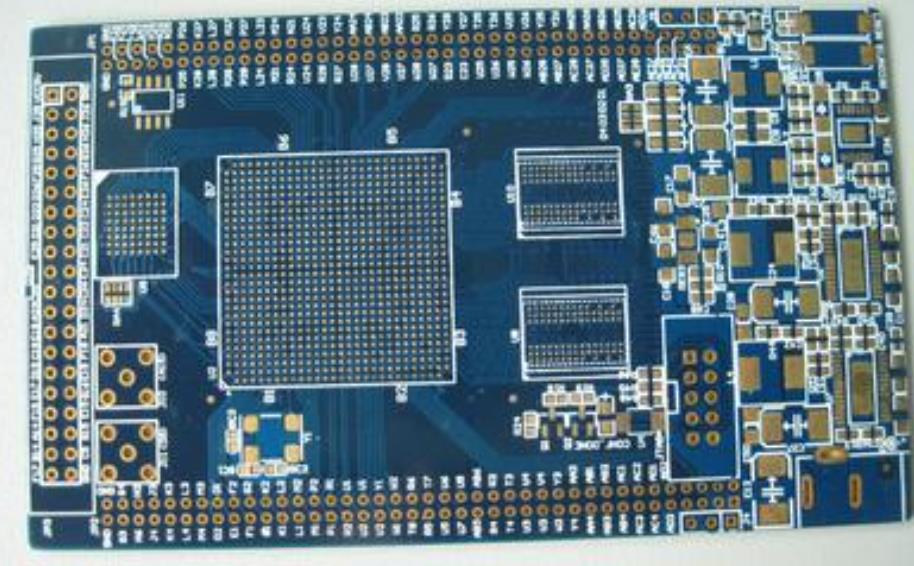
Panelization is another design decision that affects both yield and unit cost. A panel that leaves too little rail width or places parts too close to the breakaway edge causes damage during depanelization. V-groove and route-and-tab each suit different board shapes, and the wrong choice can crack joints near the edge. Engineers should agree the panel layout with the factory before tooling, because a panel that runs well on the line saves material on every lot.
Assembly And Test Coverage
Fabrication is only half the job. Security boards usually ship assembled, so placement quality and joint reliability decide field performance. Fine-pitch parts, connectors, and shielded modules need accurate paste volume and a stable reflow profile. A partner that runs SMT PCB assembly in the same facility can align pad design, stencil apertures, and inspection criteria without finger pointing between vendors. That single point of control shortens debug and keeps revisions moving.
Test coverage should match the risk. Visual inspection catches placement errors but misses cracked joints and wrong values. In-circuit test verifies components and nets. Functional test proves the board works as a system under power. Burn-in exposes early failures on parts that run hot. A defined PCBA testing plan turns these steps into a repeatable gate, and the records it produces become the fastest way to trace a field return back to a process change.
Moisture sensitivity is a failure mode that catches many security builds. Components stored in humid air absorb water, and the reflow oven turns that water into steam. The result is internal cracking or delamination that passes visual inspection and fails in the field. The fix is simple but easy to skip: control floor life, bake parts when required, and record the exposure time. Buyers should confirm that the assembly house tracks moisture-sensitive devices and keeps dry storage in use.
Choosing The Right Partner
When comparing suppliers, look past the unit price. Ask how the factory controls lamination, how it verifies plating thickness, and what test data ships with each lot. Ask who reviews the files before tooling and how quickly questions come back. A partner that raises engineering questions early is cheaper than one that builds on a guess. Delivery promises matter too, because security products often ship against project deadlines that cannot slip.
For teams that want one scope from bare board to finished unit, a turnkey PCB assembly model removes handoffs between fabrication, sourcing, and assembly. That reduces schedule risk and makes change control simpler. It also helps when volumes shift, because prototype, pilot, and production runs follow the same process settings. The practical takeaway is simple: fix the stackup and finish early, agree the test plan in writing, and keep process records with every lot. Cost control follows from those decisions, not from the lowest quote.