Low-Volume Automotive PCB Manufacturing for Custom Applications
The automotive industry is moving rapidly toward electrification, connectivity, intelligent driving, and increasingly sophisticated electronic systems. As vehicle electronics become more complex, manufacturers and engineering teams often need circuit boards in quantities that do not justify conventional high-volume production.
These requirements may include prototype boards for a new electronic control module, engineering samples for validation, replacement PCBs for existing vehicle platforms, customized boards for specialized vehicle applications, or small production runs for niche automotive products.
This is where Low-Volume Automotive PCB manufacturing becomes particularly valuable.
Unlike large-volume production, small-batch automotive PCB projects often involve multiple designs, changing specifications, short development cycles, and relatively limited quantities. A capable manufacturing partner must therefore combine flexible production, engineering support, consistent quality, and efficient communication.
Why Automotive Electronics Need Low-Volume PCB Manufacturing
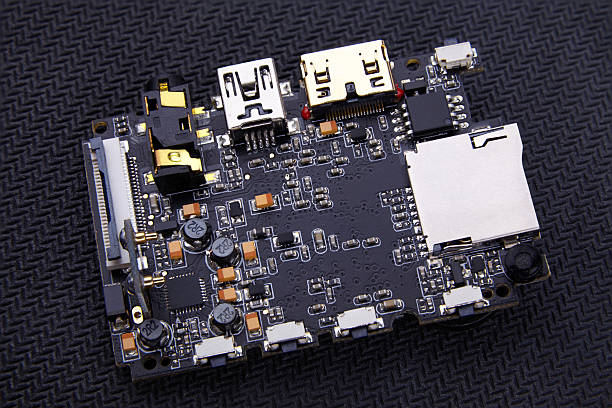
Automotive electronic development rarely moves directly from a finished design to mass production.
A typical project may pass through several stages:
- Initial PCB prototype
- Engineering verification
- Functional testing
- Design optimization
- Pilot production
- Vehicle-level validation
- Production ramp-up
At each stage, the required PCB quantity can be different.
An engineering team may need only a small number of boards during the initial development stage, followed by a larger pilot run after design validation. A flexible manufacturing model allows the PCB supplier to support these changing requirements without forcing the project into a high-volume production structure too early.
GOPCBA specifically provides low-volume PCB and small-batch assembly services for prototypes, product testing, and custom electronics, including automotive applications.
Flexible Production for Small-Batch Automotive PCBs
The main advantage of small-batch manufacturing is production flexibility.
A Custom Automotive PCB may differ from a standard board in layer count, dimensions, materials, copper thickness, impedance requirements, component density, surface finish, or mechanical configuration.
For low-volume orders, the manufacturing process must be able to accommodate these variations efficiently.
Multi-Product Production
Small automotive PCB projects often involve multiple part numbers rather than one standardized product.
An efficient production workflow should therefore support:
- Different PCB sizes
- Different layer counts
- Different materials
- Different copper weights
- Different surface finishes
- Different component configurations
- Multiple revisions
- Prototype and pilot quantities
This high-mix production model allows automotive engineering teams to develop and validate several electronic modules without committing to large production quantities.
Fast Production Changeovers
Production efficiency is also important when multiple PCB designs are manufactured in relatively small quantities.
Engineering data should be reviewed and prepared before production so that tooling, panelization, material selection, and manufacturing parameters are clearly defined.
This helps reduce unnecessary setup time and minimizes production errors when switching between different PCB designs.
Automotive PCB Prototyping for Engineering Validation
A well-managed Automotive PCB Prototype is more than a physical version of a Gerber file. It is an important engineering tool used to verify whether the PCB performs as intended in the actual electronic system.
Prototype PCBs may be used to evaluate:
- Circuit functionality
- Component compatibility
- Signal integrity
- Power distribution
- Thermal behavior
- Mechanical fit
- Connector positioning
- Assembly feasibility
- EMC-related performance
During this stage, engineers may identify design improvements before moving to pilot or volume production.
This is why prototype manufacturing should include engineering review and DFM analysis rather than simply producing the board exactly as submitted.
DFM Review Before Production
Design for Manufacturing is particularly valuable for low-volume automotive PCB projects because design problems discovered during production can cause disproportionate delays.
A manufacturing review can evaluate:
- Trace width and spacing
- Drill sizes
- Via structures
- Copper thickness
- Layer stack-up
- Board thickness
- Component clearances
- Solder-mask openings
- Surface finish
- Panelization
- Assembly requirements
GOPCBA’s automotive manufacturing workflow includes PCB design review and DFM/DFA analysis before production, helping identify manufacturing and assembly issues at an earlier stage.
Early DFM review can reduce unnecessary prototype iterations and help engineers develop a design that is both electrically functional and practical to manufacture.
Automotive PCB Manufacturing Requirements
Automotive electronics can operate in demanding environments. Depending on the vehicle application, PCBs may experience temperature cycling, vibration, humidity, electrical noise, and long operating periods.
Therefore, Automotive PCB Manufacturing requires more than basic circuit fabrication.
Material and construction decisions should be based on the actual application.
Material Selection
Common considerations include:
- Standard FR-4
- Mid-TG or high-TG laminates
- High-performance laminates
- Low-loss materials for high-speed circuits
- Flexible materials
- Rigid-flex structures
- Metal-core or thermal-management structures where required
The appropriate material depends on the operating temperature, electrical requirements, mechanical conditions, signal frequency, PCB structure, and reliability targets.
GOPCBA’s published PCB capabilities include standard, mid-TG, high-TG, high-performance, RF, halogen-free, aluminum-backed, and other PCB material options.
Multilayer PCB Structures for Automotive Electronics
Modern vehicle electronics often require more routing space than a two-layer PCB can provide.
A multilayer PCB can separate power, ground, analog, digital, and high-speed signal functions across different layers.
This can be useful for:
- Electronic control units
- Body control modules
- Infotainment systems
- Telematics
- ADAS electronics
- Communication modules
- Battery-management systems
- Power-control electronics
For compact automotive modules, HDI structures can further increase routing density through fine lines, microvias, blind vias, buried vias, and sequential build-up technologies.
GOPCBA’s automotive multilayer PCB manufacturing capabilities cover complex multilayer structures for control units, communication systems, ADAS, power electronics, and other automotive applications.
Quality Control in Small-Batch Automotive PCB Production
Low-volume production does not mean lower quality requirements.
In fact, prototype and small-batch projects often require close process monitoring because each board may be used for engineering validation or vehicle-level testing.
Quality control can include several stages.
Incoming Material Inspection
PCB laminates, copper foil, prepreg, solder mask, and other production materials should be checked according to the applicable manufacturing specifications.
Material traceability is also useful for maintaining consistency between production batches.
In-Process Inspection
During PCB fabrication, manufacturers can monitor:
- Circuit pattern quality
- Hole quality
- Layer registration
- Copper plating
- Lamination
- Solder mask
- Surface finish
Automated optical inspection and other inspection technologies can help identify manufacturing defects before the boards move to assembly.
Electrical Testing
Depending on the design and production requirements, electrical testing may include continuity and isolation testing to identify open or short circuits.
For more complex automotive PCBAs, functional testing can also be incorporated into the production process.
From Bare PCB to Automotive PCBA
Many automotive projects require more than bare circuit boards.
Once the PCB design has been validated, components must be sourced and assembled onto the board.
This makes an integrated Automotive PCBA manufacturing workflow particularly useful.
A complete process may include:
- PCB design review
- DFM/DFA analysis
- PCB fabrication
- Component procurement
- SMT assembly
- Through-hole assembly
- AOI inspection
- X-ray inspection where required
- Electrical testing
- Functional testing
- Final inspection
- Packaging and delivery
GOPCBA provides integrated PCB fabrication and PCBA services, including component sourcing, SMT, through-hole assembly, inspection, testing, and final delivery.
This can reduce the coordination required between separate PCB fabrication and assembly suppliers.
Small-Batch SMT Assembly for Automotive Electronics
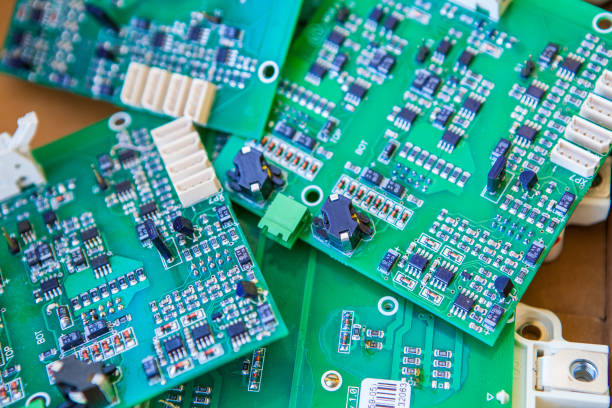
Automotive electronic modules can contain fine-pitch ICs, processors, sensors, connectors, power devices, and other surface-mount components.
The assembly process therefore needs to maintain consistent placement and soldering quality.
Important process controls include:
- Solder-paste printing
- SPI where required
- Automated component placement
- Reflow-profile control
- AOI
- X-ray inspection for applicable packages
- Electrical testing
- Functional testing
GOPCBA’s published PCBA capabilities support SMT, through-hole, mixed-technology, BGA, fine-pitch and other assembly configurations, including low-volume production.
Custom Automotive PCB Applications
Low-volume custom PCB manufacturing can support a wide range of automotive development and production scenarios.
Electronic Control Units
Control modules may require customized PCB structures to accommodate processors, sensors, communication interfaces, power circuits, and other vehicle functions.
Battery Management Systems
Electric and hybrid vehicles depend on sophisticated battery-management electronics. Prototype and small-batch PCB production can support BMS development, validation, and specialized battery applications.
ADAS Electronics
Advanced driver-assistance systems require increasingly sophisticated sensor, processing, communication, and control electronics.
Prototype PCBs can help engineering teams validate circuit architecture before moving to larger production quantities.
Vehicle Communication Systems
Modern vehicles use high-speed communication networks to exchange data between electronic control modules.
These applications may require controlled impedance, stable reference planes, appropriate materials, and carefully engineered PCB stack-ups.
Specialized and Replacement Electronics
Some automotive applications involve limited production volumes, legacy vehicle platforms, specialty vehicles, or replacement modules.
For these situations, low-volume manufacturing can be more appropriate than conventional mass-production methods.
Flexible Production for Automotive Design Changes
Automotive PCB designs can change during engineering development.
Component substitutions, connector changes, mechanical modifications, thermal improvements, and circuit revisions may all require PCB updates.
A responsive manufacturer should be able to manage these revisions without creating unnecessary confusion between old and new production data.
A controlled workflow can include:
- Revision management
- Updated Gerber files
- BOM revision control
- Engineering change documentation
- DFM review
- Prototype approval
- Production release
This is particularly important when several PCB revisions are being evaluated simultaneously.
Packaging and Delivery for Small-Batch PCB Orders
Small-batch automotive PCBs may be shipped directly to engineering teams, assembly facilities, testing laboratories, or vehicle-development sites.
Packaging should therefore protect the boards against:
- Electrostatic discharge
- Moisture
- Mechanical impact
- Surface contamination
- Handling damage
The packaging method should be selected according to the PCB surface finish, assembly condition, transportation requirements, and customer specifications.
Delivery planning is also important because engineering projects often operate according to defined validation schedules.
Rather than promising an unrealistic universal delivery time, lead time should be established according to PCB complexity, material availability, quantity, assembly requirements, testing, and engineering review.
Low-Volume Production Without Sacrificing Quality
The fundamental value of small-batch automotive PCB manufacturing is not simply producing fewer boards.
It is the ability to provide flexibility without sacrificing process discipline.
A professional manufacturing workflow should maintain the same core quality principles across prototype, pilot, and production orders.
This includes:
- Controlled manufacturing processes
- Consistent materials
- Engineering review
- Inspection
- Electrical testing
- Revision control
- Traceability
- Production documentation
As the project moves from prototype to production, these controls help maintain consistency between development samples and later manufacturing batches.
Why Choose GOPCBA for Low-Volume Automotive PCB Manufacturing?
GOPCBA supports automotive electronics from prototype development through low-volume and volume production. Its automotive manufacturing services cover PCB fabrication, multilayer structures, HDI technology, component sourcing, SMT assembly, through-hole assembly, inspection, and testing.
Its low-volume PCB services are specifically positioned for small-batch production, electronic samples, product testing, and custom PCB projects.
For customers developing automotive controllers, BMS electronics, ADAS modules, communication systems, specialized vehicle electronics, or replacement PCBs, an integrated manufacturing workflow can simplify the transition from engineering prototype to production.
Conclusion
The increasing complexity of automotive electronics is creating strong demand for flexible PCB manufacturing models that can support prototypes, engineering validation, specialized applications, replacement parts, and small production runs.
Low-Volume Automotive PCB manufacturing allows engineering teams to produce the quantities they need while maintaining control over design revisions, manufacturing quality, testing, and production schedules.
From DFM analysis and material selection to multilayer fabrication, SMT assembly, inspection, and final testing, each stage contributes to the reliability of the finished automotive electronic system.
For projects that require customized PCB structures, flexible production quantities, engineering support, and an integrated PCB-to-PCBA workflow, GOPCBA provides a manufacturing solution designed to support automotive electronics from early prototype development through production.