How Overseas Customers Can Purchase PCB manufacturing services from China: A Complete Guide
China has become one of the world’s most important hubs for PCB production, supported by a complete industrial supply chain, advanced manufacturing capabilities, and flexible customization solutions. From basic single-layer and double-layer circuit boards to advanced high-density interconnect (HDI) boards and flexible PCBs, Chinese manufacturers can meet the requirements of industries including consumer electronics, industrial automation, automotive electronics, telecommunications, and medical equipment.
For overseas buyers, sourcing from China offers significant advantages in production capacity, cost efficiency, and delivery speed. However, international PCB procurement also comes with challenges, including communication barriers, supplier evaluation difficulties, quality control risks, and complicated logistics procedures.
This guide provides a complete process for overseas customers looking to purchase PCBs from China, helping buyers reduce risks and build reliable supply chain partnerships.
1. Define Your PCB Requirements Before Purchasing
Before starting the procurement process, clearly defining your product requirements is the foundation for successful cooperation.
Different applications require different PCB specifications. For example, consumer electronics often require lightweight and compact designs, while industrial equipment requires higher reliability and durability. Automotive and medical applications may require stricter quality standards, testing procedures, and certifications.
The first step is to determine the basic PCB specifications, including:
- PCB layer count (single-sided, double-sided, or multilayer PCB)
- Board thickness
- Copper thickness
- Material selection
- Surface finishing method
- Application environment
- Production quantity requirements
For complex applications, customers may need advanced solutions such as multilayer PCB structures, HDI technology, impedance control, or rigid-flex designs.
Choosing a manufacturer with strong engineering support is essential. Professional suppliers can provide design-for-manufacturing (DFM) suggestions to optimize performance and reduce production risks.
You can learn more about different PCB solutions through our custom PCB fabrication services to understand available manufacturing capabilities.
2. Select the Right PCB Supplier in China
China has thousands of PCB manufacturers, but not every supplier can meet international quality requirements. Selecting the right partner requires careful evaluation.
A reliable PCB supplier should be evaluated from several key aspects.
Manufacturing Capability and Technology
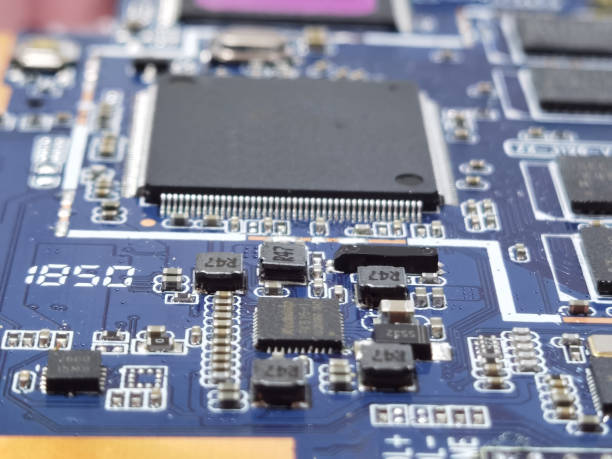
First, check whether the supplier has the production capability required for your project.
Important factors include:
- Advanced PCB production equipment
- Automated optical inspection (AOI)
- Electrical testing systems
- X-ray inspection capability
- High-precision manufacturing processes
- Experience with complex PCB structures
For high-end applications, manufacturers should have experience producing advanced boards such as HDI PCBs, high-frequency PCBs, and multilayer circuit boards.
Quality Certifications and Industry Experience
Quality management is another critical factor when choosing a supplier.
International customers should pay attention to certifications such as:
- ISO 9001 quality management system
- IATF 16949 for automotive applications
- ISO 13485 for medical electronics
- UL certification requirements
A supplier with experience serving global customers can usually provide better communication, documentation, and quality control support.
Communication and Engineering Support
Good communication is especially important in international procurement.
A professional manufacturer should provide:
- Fast quotation response
- Technical consultation
- Engineering feedback
- Production updates
- Quality inspection reports
Strong technical support can prevent design mistakes before production begins.
3. From Prototype Production to Mass Manufacturing
Before placing a large order, prototype validation is highly recommended.
The prototype stage allows customers to verify:
- PCB design accuracy
- Electrical performance
- Manufacturing quality
- Assembly compatibility
- Delivery capability
A professional manufacturer will produce samples according to your Gerber files and manufacturing specifications. After testing and approval, the confirmed sample can become the quality reference for future mass production.
For customers requiring complete electronic manufacturing solutions, combining PCB production with PCB assembly services can simplify supply chain management and improve production efficiency.
Contract Requirements and Production Management
When signing a cooperation agreement, important details should be clearly defined:
- Product specifications
- Quantity requirements
- Delivery schedule
- Quality standards
- Inspection methods
- Intellectual property protection
- Payment terms
During mass production, customers should maintain communication with suppliers and monitor key manufacturing stages.
4. Shipping and Customs Clearance for PCB Imports
After production completion, transportation and customs clearance become important parts of international PCB purchasing.
Because PCBs are precision electronic products, proper packaging is necessary to prevent:
- Moisture damage
- Mechanical impact
- Surface contamination
Common shipping options include:
International Express
Suitable for:
- Prototype samples
- Small quantities
- Urgent orders
Companies such as DHL and FedEx can provide fast door-to-door delivery.
Air Freight
Suitable for:
- Medium-volume orders
- High-value products
- Faster delivery requirements
Sea Freight
Suitable for:
- Large-volume production orders
- Cost-sensitive shipments
For customs clearance, buyers usually need documents including:
- Commercial invoice
- Packing list
- Sales contract
- Certificate of origin
- Product classification information
Working with an experienced PCB supplier can help overseas customers prepare correct documentation and reduce customs delays.
5. Quality Inspection and After-Sales Support
Successful PCB procurement does not end after delivery.
After receiving the products, customers should inspect:
- Quantity accuracy
- Appearance quality
- Dimensions
- Electrical performance
- Packaging condition
If quality issues occur, customers should immediately communicate with the manufacturer and provide:
- Product photos
- Inspection reports
- Problem descriptions
- Batch information
A reliable supplier should provide fast technical support and solutions.
Long-term cooperation can also bring additional benefits, including:
- Better pricing agreements
- Faster production scheduling
- Priority technical support
- Improved supply chain stability
6. Building a Long-Term PCB Supply Partnership
For overseas companies, establishing a stable relationship with a Chinese PCB manufacturer can create long-term competitive advantages.
A professional supplier can support customers through:
- Product development
- Prototype testing
- Engineering optimization
- Mass production
- Supply chain management
With continuous technology improvement, Chinese PCB manufacturers are no longer focused only on cost advantages. They are increasingly providing advanced engineering services, strict quality control, and global customer support.
By choosing the right partner, overseas buyers can reduce procurement risks and gain access to China’s strong electronics manufacturing ecosystem.
Conclusion
Purchasing PCBs from China can provide overseas customers with significant advantages in manufacturing capability, cost efficiency, and technical support. However, successful procurement requires careful planning, including defining PCB requirements, selecting the right supplier, validating prototypes, managing logistics, and maintaining effective communication.
The key to successful international PCB sourcing is finding a manufacturer that combines advanced technology, reliable quality control, and strong customer service.
With the right partner, overseas companies can efficiently access high-quality PCB manufacturing services, improve product competitiveness, and establish a stable global supply chain.