Does the Color of PCB Solder Mask Ink Affect Performance?
In PCB manufacturing, solder mask ink is an essential component that ensures the long-term stability and reliability of circuit boards. It covers the surface of the PCB to prevent solder from accidentally bridging non-soldering areas during assembly while also protecting circuits from moisture, dust, and chemical contamination.
Many people consider solder mask color simply an aesthetic choice, such as matching product designs or identifying different production batches. However, the color of PCB solder mask is not merely a visual feature. It can influence the composition, physical characteristics, and performance of the solder mask material, indirectly affecting the reliability of the final PCB product.
For professional PCB manufacturing, choosing the correct solder mask color should consider not only appearance but also application requirements, environmental conditions, and performance expectations.
Color and Thermal Performance: Heat Absorption Differences Between Dark and Light Colors
Thermal management is one of the most important factors affecting PCB reliability, especially in high-power electronic equipment. When circuit boards operate under continuous high temperatures, insufficient heat dissipation can cause component degradation, reduced efficiency, or even permanent failure.
The color of solder mask ink can influence the heat absorption and reflection characteristics of a PCB surface.
From a physical perspective, different colors have different abilities to absorb and reflect light energy. Dark-colored solder masks, such as black and dark green, generally absorb more visible light and infrared radiation due to their pigment properties. Under the same lighting or operating conditions, they can accumulate more heat.
In contrast, light-colored solder masks, such as white and light gray, have higher reflectivity. They reflect more external radiation and reduce heat absorption, helping maintain a lower surface temperature.
For example, outdoor communication equipment using black solder mask may experience higher surface temperatures under direct sunlight compared with similar PCBs using white solder mask. In automotive electronics, where PCBs often operate inside high-temperature environments such as engine compartments, light-colored solder masks may provide additional thermal advantages.
However, thermal performance is not determined by color alone. Factors such as resin composition, coating thickness, copper structure, and overall PCB design also have significant impacts. Color-related heat absorption differences are only one part of the complete thermal management system.
For applications requiring optimized thermal performance, manufacturers often combine advanced materials with professional PCB assembly services to ensure reliable operation under demanding conditions.
Color and Weather Resistance: Pigment Stability Determines Aging Resistance
Many electronic products operate in harsh environments, including outdoor communication systems, solar energy equipment, industrial control systems, and automotive electronics. These applications require excellent resistance against ultraviolet radiation, temperature fluctuations, humidity, and environmental aging.
The color of PCB solder mask is closely related to pigment stability, which directly affects long-term durability.
Different solder mask colors use different pigment systems, and their resistance to environmental stress varies significantly.
For example, red and yellow solder masks often use organic pigments. Although these colors provide bright and attractive appearances, some organic pigments have relatively lower resistance to long-term ultraviolet exposure. Over time, they may experience fading, surface cracking, or reduced protective capability.
Green and blue solder masks commonly use more stable pigment systems, offering better resistance against UV degradation. These colors are widely used in applications where long-term environmental stability is required.
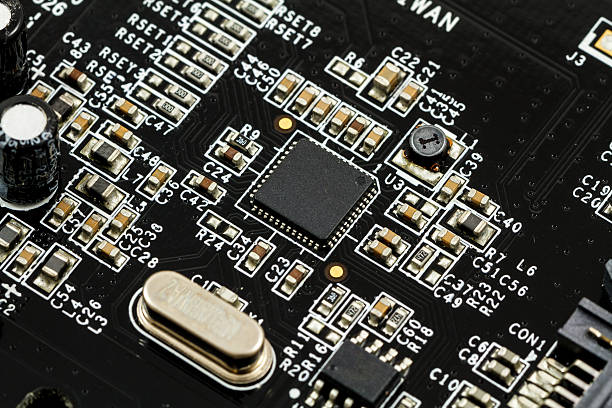
Black solder mask is a special case. It typically contains carbon black pigments, which provide excellent UV protection by blocking ultraviolet penetration. However, carbon black can increase moisture absorption characteristics. If the coating has defects or microscopic gaps, moisture penetration may affect insulation reliability in humid environments.
Therefore, selecting solder mask color should be based on actual operating conditions. Outdoor applications with strong UV exposure may benefit from stable pigment systems, while humid environments require strict control of coating quality and manufacturing processes.
Color and Insulation Performance: The Hidden Relationship Between Pigments and Electrical Reliability
Electrical insulation is one of the most critical properties of solder mask materials. A reliable PCB insulation performance ensures that circuits remain protected from short circuits, leakage currents, and electrical failures.
At first glance, solder mask color appears unrelated to insulation properties. However, color can indirectly influence insulation performance through pigment composition, material formulation, and curing processes.
First, different colors require different pigment concentrations to achieve the desired appearance and coverage.
For instance, white solder mask usually contains titanium dioxide as a pigment. The particle size and dispersion quality of titanium dioxide can affect coating density. Poor pigment dispersion may create microscopic voids inside the coating, allowing moisture and ions to penetrate and potentially reducing insulation reliability.
Black solder mask often contains carbon black. Although carbon black provides excellent color depth and UV resistance, excessive amounts or poor dispersion may reduce the volume resistivity of the coating because carbon-based materials can influence electrical conductivity.
Second, different solder mask colors may require different curing parameters during production. Some pigments are more sensitive to curing temperatures and exposure conditions. If curing is incomplete, the polymer structure of the solder mask may not achieve sufficient cross-linking, resulting in weaker mechanical protection and reduced electrical insulation performance.
For high-voltage circuit applications, even small variations in insulation quality can create safety risks. Therefore, professional manufacturers must carefully control material selection and processing parameters during PCB production.
How to Choose the Right PCB Solder Mask Color?
Although solder mask color is often selected based on product appearance or brand requirements, performance considerations should always come first.
The following factors should be evaluated when choosing a solder mask color:
High-Temperature and High-Power Applications
For power electronics, LED systems, automotive electronics, and other heat-sensitive products, lighter solder mask colors may help reduce surface heat absorption. However, thermal design should also consider copper thickness, thermal vias, component layout, and cooling structures.
Outdoor and UV Exposure Applications
For outdoor communication equipment, photovoltaic systems, and industrial electronics exposed to sunlight, solder mask materials with strong pigment stability should be selected to ensure long-term reliability.
High-Voltage and Precision Electronics
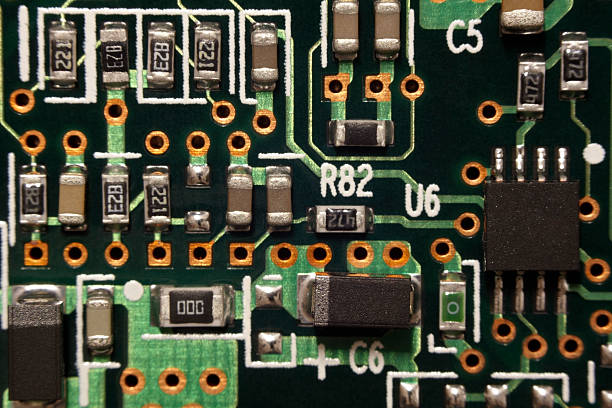
For high-voltage circuits, medical devices, and precision electronic products, insulation performance is the priority. The selected solder mask should have stable electrical properties, excellent coating quality, and reliable curing characteristics.
Choosing the right material and manufacturing partner is equally important. Professional custom PCB services can provide optimized solutions based on electrical requirements, environmental conditions, and production specifications.
Conclusion
The color of PCB solder mask ink is not simply a decorative choice. It can influence thermal behavior, weather resistance, pigment stability, material formulation, and curing processes, which together affect the overall reliability of a circuit board.
Different applications require different considerations:
- High-power equipment may benefit from lighter solder mask colors to improve heat reflection.
- Outdoor products require pigments with excellent UV resistance and long-term stability.
- High-voltage circuits require careful evaluation of insulation properties and coating quality.
When selecting PCB solder mask, engineers should consider the complete application environment rather than choosing colors based only on appearance. A well-designed solder mask solution, combined with professional manufacturing capabilities, helps ensure higher reliability, longer service life, and better overall PCB performance.
For reliable circuit board solutions, working with an experienced PCB manufacturing partner can help optimize material selection, production processes, and final product quality.