Durable PCB Solutions for Harsh Industrial Environments
In complex industrial environments, PCBs serve as the core connection platform of electronic equipment and are often exposed to extreme conditions such as high temperatures, humidity, continuous vibration, and chemical corrosion. Standard circuit boards may experience performance degradation, electrical failures, or shortened service life when operating under these challenging conditions.
These failures can lead to unexpected equipment downtime, reduced production efficiency, and significant economic losses for manufacturers. To overcome these challenges, Durable PCB solutions are designed with advanced materials, improved manufacturing processes, and enhanced protective technologies to provide long-term reliability for industrial applications.
By combining material innovation, structural optimization, and customized production capabilities, modern Industrial PCB products help electronic systems maintain stable performance even in the most demanding operating environments.
1. High-Temperature Resistance: Advanced Materials for Extreme Heat Conditions
In industries such as metallurgy, chemical processing, and energy production, high temperatures are one of the biggest challenges faced by PCB assemblies.
During continuous operation, industrial equipment may generate significant heat, and some areas can experience short-term temperature spikes. Conventional PCB materials may soften, age, or lose electrical stability under prolonged exposure to high temperatures, resulting in signal failures or circuit damage.
Selecting High-Performance Materials for Thermal Stability
To solve these issues, High-temperature PCB designs utilize specialized substrate materials with excellent thermal resistance. These materials maintain their mechanical strength and electrical characteristics even under elevated temperatures, preventing deformation and performance degradation.
In addition, high-temperature solder materials and optimized soldering processes are applied to ensure reliable connections between components and circuit layers.
Whether installed inside industrial machinery near heat sources or operating in hot production environments, high-temperature-resistant PCBs provide stable performance and reduce the risk of equipment failure caused by thermal stress.
For applications requiring complex circuit structures and improved reliability, manufacturers often combine thermal-resistant designs with Multilayer PCB manufacturing technologies to achieve better electrical performance and mechanical stability.
2. Moisture and Corrosion Protection: Multiple Layers of Environmental Defense
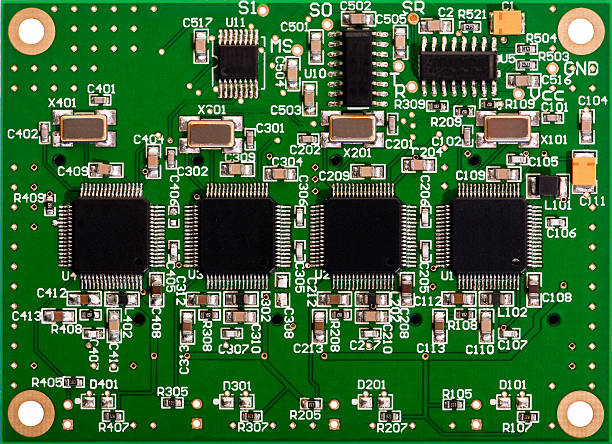
Many industrial applications, including food processing, paper manufacturing, chemical facilities, and marine equipment, face challenges caused by moisture and corrosive substances.
Humidity can gradually penetrate PCB structures and cause leakage currents or insulation failures. Meanwhile, chemicals such as acids, alkaline substances, and oils may damage PCB materials and reduce long-term reliability.
Protective Coatings Improve Environmental Resistance
Advanced Durable PCB solutions use multiple protection methods to prevent environmental damage.
One common approach is applying conformal coatings or protective layers to the PCB surface. These coatings act as a barrier against moisture, dust, chemicals, and other contaminants.
Additional sealing treatments can also be applied to vulnerable areas such as:
- PCB edges
- Connector interfaces
- Component mounting areas
These protective measures reduce the possibility of moisture penetration and improve corrosion resistance.
For industries operating in demanding environments, selecting professional PCB manufacturing services ensures that materials, coatings, and production processes are properly matched to specific application requirements.
3. Vibration and Shock Resistance: Strengthening PCB Structural Reliability
Industrial equipment frequently experiences mechanical vibration during operation. Heavy machinery, automated production lines, and transportation systems may generate continuous vibration or sudden impact forces.
Traditional PCBs may suffer from:
- Loose component connections
- Cracked solder joints
- Damaged circuit structures
- Reduced electrical reliability
To address these issues, industrial PCB designs focus on improving structural strength and mechanical durability.
Optimized Structures for Mechanical Stability
Manufacturers enhance PCB durability by improving board construction, reinforcing critical areas, and optimizing component installation methods.
Key improvements may include:
- Reinforced PCB edges
- Stronger mounting structures
- Improved solder connection reliability
- Optimized component placement
These design improvements allow PCBs to maintain stable operation even when installed in equipment exposed to continuous vibration or mechanical shock.
A professional Reliable PCB supplier can provide customized solutions based on vibration levels, installation conditions, and equipment requirements.
4. Customized Solutions for Different Industrial Applications
Industrial environments vary significantly across different sectors. A PCB solution designed for one application may not be suitable for another.
For example:
- Chemical processing equipment requires strong corrosion resistance.
- Marine systems require moisture protection and mechanical durability.
- Industrial automation equipment requires vibration resistance and stable signal transmission.
- Energy systems require excellent thermal performance and long service life.
Application-Specific PCB Design Optimization
Modern PCB manufacturers provide customized solutions by analyzing:
- Operating temperature ranges
- Environmental exposure conditions
- Mechanical stress requirements
- Electrical performance expectations
- Product lifetime goals
Through customized material selection, structural design, and protective technologies, manufacturers can create PCBs that match the exact requirements of different industries.
Whether used in large industrial control systems or compact inspection equipment, customized PCB solutions provide reliable operation under challenging conditions.
5. Real-World Testing Ensures Long-Term Reliability
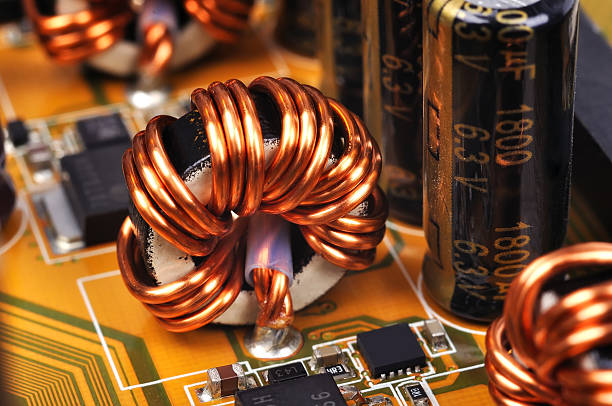
Before industrial PCBs are introduced into practical applications, reliable manufacturers conduct extensive testing to verify performance under simulated operating conditions.
Testing processes may include:
Thermal Stress Testing
PCBs are tested under high-temperature conditions to evaluate whether materials, solder joints, and electrical performance remain stable over extended periods.
Humidity and Corrosion Testing
Manufacturers expose PCBs to moisture and corrosive environments to confirm protection effectiveness and identify potential weaknesses.
Vibration Testing
Mechanical testing evaluates whether PCB structures, components, and connections can withstand continuous vibration and impact.
Through comprehensive testing and continuous improvement, manufacturers ensure that Industrial PCB products can meet strict reliability requirements in real-world applications.
6. Benefits of Choosing Durable PCB Solutions for Industrial Equipment
For companies operating industrial equipment, reliable circuit boards are essential for maintaining productivity and reducing maintenance costs.
Choosing advanced Durable PCB solutions provides several advantages:
Reduced Equipment Downtime
Reliable PCB designs minimize failures caused by environmental stress, helping companies maintain continuous production.
Extended Product Lifespan
High-quality materials and protective technologies improve PCB durability and reduce the frequency of replacements.
Improved Operational Efficiency
Stable PCB performance allows industrial equipment to operate more efficiently with fewer interruptions.
Lower Maintenance Costs
By preventing premature failures, durable PCBs reduce repair expenses and improve the overall return on investment.
Conclusion
In harsh industrial environments, PCB reliability directly affects equipment performance, production efficiency, and operational safety.
Through advanced materials, improved manufacturing techniques, protective coatings, structural reinforcement, and customized engineering, Durable PCB solutions provide effective protection against extreme temperatures, moisture, corrosion, vibration, and mechanical stress.
For industrial companies seeking stable and long-term electronic solutions, choosing professional PCB manufacturing services and an experienced Reliable PCB supplier is essential.
High-performance industrial PCBs not only reduce equipment failures and maintenance costs but also support more efficient and reliable industrial operations, creating long-term value for modern manufacturing industries.