How to Achieve Mass Production of High-Density PCB and Miniaturized PCBs
As electronic devices continue to become thinner, lighter, and more multifunctional, PCB requirements are increasingly focused on high-density PCB solutions and miniaturization. Modern electronic products require smaller circuit boards that can support more components and complex circuits while maintaining stable electrical performance and long-term reliability.
However, achieving mass production of Miniaturized PCB products is not simply a matter of reducing board size. It requires continuous optimization and innovation across materials, manufacturing processes, production equipment, and quality management systems. By integrating advanced technologies and strict production controls, manufacturers can achieve efficient large-scale production while ensuring consistent quality and performance.
For companies seeking reliable PCB solutions, choosing an experienced partner with complete capabilities in PCB Manufacturing and assembly is essential for meeting increasingly demanding market requirements.
1. Selecting Suitable Materials: Building the Foundation for Mass Production
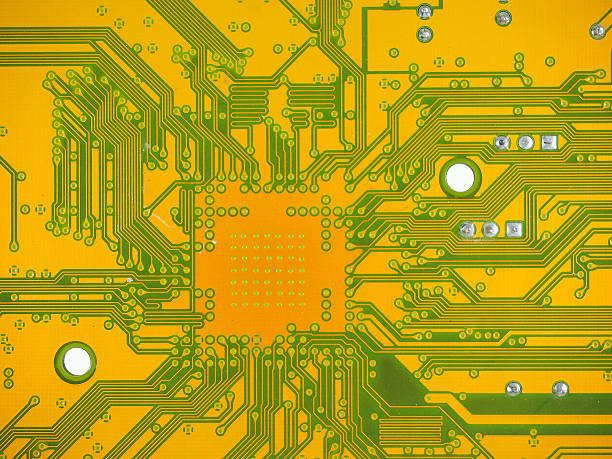
The successful mass production of high-density and miniaturized circuit boards begins with careful material selection. Manufacturers must choose substrates, solder masks, and conductive materials that provide excellent stability, reliability, and compatibility with advanced manufacturing processes.
For substrate selection, thinner materials with higher mechanical strength are preferred. These advanced materials allow manufacturers to reduce PCB dimensions while maintaining structural stability during production. At the same time, the substrate must provide excellent insulation properties and thermal performance to prevent signal interference and heat accumulation in densely packed circuits.
The selection of solder mask materials is also critical. For high-density PCB production, solder masks must support precise coating control and uniform coverage over fine traces. This helps prevent exposed circuits, improves corrosion resistance, and ensures long-term reliability during assembly and operation.
In addition, conductive materials with excellent conductivity and flexibility are required to support fine-line circuit designs. These materials help reduce breakage risks during manufacturing and improve production yield.
2. Improving Core Manufacturing Processes: Overcoming Technical Challenges
Mass production of miniaturized circuit boards requires advanced manufacturing technologies to overcome challenges caused by dense layouts, smaller features, and higher precision requirements.
During the drilling process, laser drilling technology has become increasingly important for modern PCB production. Compared with traditional mechanical drilling, laser drilling can create smaller holes with higher positioning accuracy, making it ideal for advanced circuit designs such as HDI boards.
The circuit formation process also requires highly precise imaging and etching technologies. Advanced exposure equipment ensures accurate transfer of circuit patterns onto the PCB surface, while carefully controlled etching parameters prevent problems such as excessive copper removal or incomplete etching.
For manufacturers providing professional PCB Assembly services, precision manufacturing processes are equally important because component placement accuracy directly affects product reliability and electrical performance. Advanced assembly solutions such as SMT PCB Assembly enable the placement of increasingly smaller components while maintaining high production efficiency.
3. Strengthening Production Management: Ensuring Consistency and Stability
High-density and miniaturized PCB production requires strict process control throughout every manufacturing stage. A comprehensive quality management system helps ensure that each batch maintains consistent performance and reliability.
Before production begins, raw materials must undergo strict inspection to verify that substrates, solder masks, copper materials, and other components meet required standards. During production, manufacturers should establish real-time inspection points to monitor key processes, including circuit imaging, etching quality, soldering performance, and final electrical testing.
Standardized production procedures are also essential. Parameters such as laser drilling power, etching solution concentration, soldering temperature profiles, and assembly conditions must be carefully controlled to minimize variations between production batches.
For projects requiring flexible production quantities, professional Low-Volume PCB Assembly services provide manufacturers and product developers with reliable solutions for prototype validation, market testing, and small-batch production before moving into large-scale manufacturing.
4. Upgrading Production Equipment: Improving Efficiency and Precision
Advanced equipment plays a crucial role in achieving stable mass production of high-density and miniaturized PCBs. Automated and high-precision manufacturing systems can significantly improve production efficiency while maintaining strict dimensional accuracy.
In the material cutting process, precision cutting equipment ensures that thin PCB materials maintain accurate dimensions. Automated solder mask coating systems provide uniform coverage and reduce defects caused by manual operations.
Automation is also important in PCB assembly operations. Intelligent material handling systems, automated production lines, and smart warehouse management help reduce human errors and improve production continuity.
For customers requiring complete manufacturing solutions, Turnkey PCB Assembly services integrate component sourcing, PCB manufacturing, assembly, testing, and logistics management into one streamlined process, reducing supply chain complexity and improving project efficiency.
5. Optimizing Quality Assurance Systems: Improving Yield and Reliability
A complete quality assurance system is essential for successful mass production of advanced PCBs. Beyond monitoring production processes, manufacturers must conduct comprehensive testing on finished products.
Electrical testing verifies circuit connectivity, insulation performance, and signal integrity. Mechanical testing evaluates resistance to bending, impact, and physical stress. Environmental testing ensures PCB reliability under challenging conditions such as high temperatures and humidity.
For products requiring different manufacturing technologies, professional assembly capabilities such as Through-Hole PCB Assembly and mixed technology solutions allow manufacturers to combine traditional through-hole components with advanced surface-mount technologies to meet specific application requirements.
A continuous improvement system is also necessary. By analyzing production defects and identifying root causes, manufacturers can optimize materials, equipment settings, and process parameters to improve yield rates and reduce production costs.
6. The Future Development of High-Density and Miniaturized PCB Production
The successful mass production of high-density and miniaturized PCBs depends on the combined development of materials, manufacturing technologies, automation systems, and quality management.
As industries such as consumer electronics, automotive electronics, medical equipment, communication systems, and industrial automation continue to evolve, PCB manufacturers must continue improving their capabilities in precision manufacturing and advanced assembly.
Future trends will include more advanced materials, smaller circuit structures, smarter production equipment, and more automated manufacturing processes. Companies that master these technologies will be better positioned to meet global demand for compact, high-performance electronic products.
By combining advanced manufacturing expertise with professional PCB Manufacturing and assembly capabilities, reliable PCB suppliers can help customers achieve faster development cycles, higher product reliability, and stronger market competitiveness.