5 Hidden Factors That Cause PCB pricing Quotes to Vary Significantly
When sourcing printed circuit boards, many buyers encounter a common problem: two suppliers may provide significantly different quotes for PCBs with seemingly similar specifications. In some cases, the price difference can be substantial.
At first glance, the difference may appear to come down to supplier profit margins or purchasing power. In reality, PCB pricing is influenced by multiple technical and production-related factors. Material selection, manufacturing complexity, order volume, quality requirements, and engineering support can all affect the final quotation.
Understanding these factors can help buyers evaluate quotes more effectively and avoid choosing a supplier based solely on the lowest price.
1. Material Selection: The Foundation of PCB Manufacturing Cost
Materials are one of the first factors that influence PCB manufacturing cost. A PCB is not simply defined by whether it uses FR-4 or another basic material. The grade, performance, thickness, copper weight, and other material specifications can have a major impact on the total cost.
For example, different FR-4 grades can provide different levels of thermal resistance, mechanical stability, and electrical performance. Standard FR-4 may be suitable for conventional electronics, while high-Tg materials may be more appropriate for applications exposed to higher operating temperatures.
Copper foil selection also matters. Standard copper thickness may be sufficient for ordinary signal circuits, while heavy copper may be necessary for high-current applications. Using thicker copper can increase material consumption as well as processing requirements.
Surface finishing is another consideration. ENIG, immersion tin, OSP, HASL, and other surface finishes have different processing requirements and performance characteristics. Therefore, buyers should compare not only the total quotation but also the exact material and surface-finish specifications included in each quote.
For projects involving complex material requirements, working with an experienced PCB manufacturing partner can help ensure that the selected materials match the electrical, thermal, and mechanical requirements of the application.
2. Manufacturing Complexity: More Processes Usually Mean Higher Costs
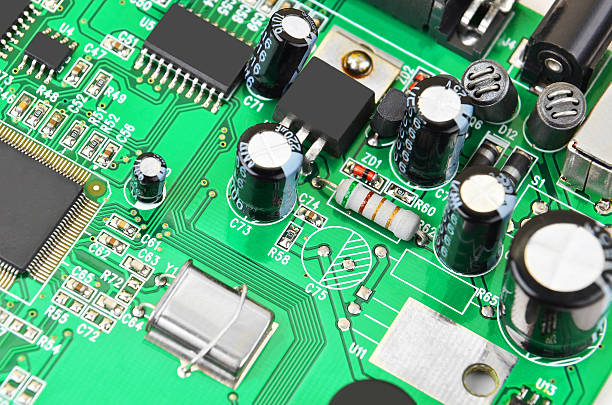
The complexity of the PCB manufacturing process is another major contributor to PCB pricing.
A conventional two-layer PCB with standard hole sizes and relatively simple routing is generally easier to manufacture than a high-layer-count board with fine traces, microvias, controlled impedance, or other advanced structures.
For example, HDI designs may require laser drilling, microvia processing, sequential lamination, and tighter registration control. These additional processes require specialized equipment and tighter process management.
Multilayer boards can also require more complicated lamination and registration procedures. As layer counts increase, maintaining accurate alignment between internal and external layers becomes increasingly important.
Other features that can increase manufacturing complexity include:
- Fine-pitch traces and spaces
- Small mechanical holes
- Blind and buried vias
- Microvias
- High layer counts
- Controlled impedance
- Heavy copper
- High-frequency materials
- Rigid-flex structures
- Special surface finishes
For advanced projects, GOPCBA supports multiple PCB technologies, including multilayer, HDI, high-frequency, rigid-flex, heavy-copper, and controlled-impedance PCB manufacturing.
3. Production Volume and Lead Time: Quantity and Urgency Affect the Quote
Order quantity is another important factor behind differences in a PCB quotation.
Large production runs allow manufacturers to distribute setup, engineering, tooling, and equipment costs across more units. As a result, the unit cost can often decrease as production volume increases.
Small-volume orders are different. Even when the PCB itself is relatively simple, the supplier may still need to perform engineering review, production setup, tooling preparation, testing, and quality inspection. These fixed costs can represent a larger portion of the total cost for small orders.
Lead time can also influence pricing.
A standard production schedule gives the manufacturer more flexibility to arrange materials, equipment, and production capacity. An urgent order may require production schedule adjustments, expedited material procurement, overtime, or additional manufacturing resources.
Therefore, buyers should clearly communicate both expected quantity and required delivery date when requesting a quote.
For customers developing a new product or validating a design, prototype PCB assembly can also be useful before committing to larger production volumes. GOPCBA supports prototype, low-volume, and mass-production PCB assembly requirements.
4. Quality Control Requirements: Higher Standards Require More Inspection
Quality requirements can significantly affect PCB manufacturing cost.
Not every PCB application requires the same level of inspection. A basic consumer electronics product may have different testing requirements from an automotive, medical, industrial, or telecommunications product.
Higher-reliability applications may require additional inspection and testing throughout the manufacturing process. Depending on the product and customer requirements, this can include:
- Incoming material inspection
- Automated Optical Inspection (AOI)
- X-ray inspection
- Electrical testing
- Functional testing
- Dimensional inspection
- Process inspection
- Final quality inspection
- Traceability and documentation
These processes require inspection equipment, engineering resources, trained personnel, and additional production time.
Therefore, when comparing quotes from different PCB suppliers, buyers should confirm what quality-control procedures are included. A lower price may not represent better value if important inspection or testing requirements have been excluded.
GOPCBA describes its manufacturing workflow as including quality inspection throughout production and before shipment, while its PCB assembly services can include AOI, X-ray, electrical, and functional testing depending on project requirements.
5. Engineering and Service Support: The Hidden Value Behind a PCB Quote
The final factor is often overlooked: the level of engineering and service support provided by the supplier.
A PCB supplier may offer much more than bare-board manufacturing. Engineering support can include Gerber review, DFM analysis, DFA analysis, BOM verification, component availability checks, manufacturing optimization, and prototype support.
These services can reduce production risks before the PCB enters manufacturing.
For example, an engineering review may identify problems involving:
- Insufficient component clearance
- Inappropriate trace widths
- Incorrect hole specifications
- Manufacturing tolerances
- Poor panelization
- Component availability
- Assembly limitations
- Stack-up or impedance requirements
Although these services may not always appear as separate items on a quotation, they can create significant value by reducing redesigns, delays, scrap, and production failures.
GOPCBA provides engineering support including DFM/DFA review, Gerber review, BOM verification, component availability analysis, and process optimization as part of its broader PCB and PCBA manufacturing capabilities.
Why the Cheapest PCB Quote Is Not Always the Best Choice
A low PCB quote can be attractive, but price alone does not provide enough information to determine whether a supplier offers the best overall value.
A very low quotation may reflect differences in:
- Material grade
- Copper thickness
- Surface finish
- Manufacturing tolerances
- Testing requirements
- Production process
- Quality-control procedures
- Engineering support
- Packaging and logistics
At the same time, a higher quotation does not automatically mean that the supplier is overcharging. The additional cost may reflect higher-grade materials, more demanding manufacturing processes, stricter inspection standards, or more comprehensive engineering support.
The key is to compare quotations on an equivalent basis.
How to Compare PCB Quotes More Effectively
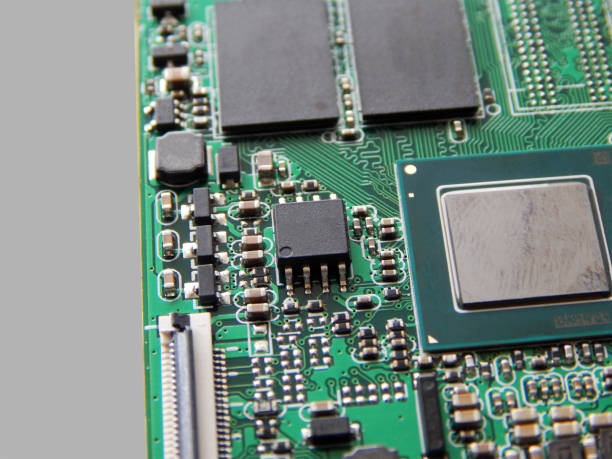
Before selecting a supplier, buyers should review the quotation against the complete technical specification.
A practical comparison should include:
- Material specification – Confirm the exact laminate, Tg, thickness, and copper weight.
- Layer structure – Verify the number of layers and stack-up requirements.
- Manufacturing technology – Check whether HDI, microvias, blind vias, impedance control, or other special processes are required.
- Surface finish – Confirm that the quoted surface treatment matches the design requirements.
- Testing and inspection – Determine which inspection and testing procedures are included.
- Quantity and lead time – Compare pricing based on the same order quantity and delivery requirements.
- Engineering support – Check whether DFM, BOM review, and other engineering services are included.
- Assembly requirements – If the project includes components, confirm whether PCB fabrication and PCBA can be coordinated.
For companies looking for an integrated manufacturing solution, GOPCBA provides both PCB manufacturing and PCB assembly services, supporting projects from prototype development through low-volume and mass production.
Final Thoughts
PCB quotations can vary significantly because the actual value of a PCB is determined by much more than its dimensions and layer count.
Material selection, manufacturing complexity, production volume, lead time, quality-control requirements, and engineering support can all contribute to the final price. Two suppliers may therefore quote very different prices for boards that appear similar on paper.
For buyers, the best approach is to look beyond the final number and compare the complete value offered by each supplier. Verify the materials, manufacturing processes, inspection standards, delivery requirements, and engineering support before making a purchasing decision.
The goal should not simply be to find the cheapest PCB supplier. Instead, it is to find a reliable PCB supplier whose manufacturing capabilities, quality standards, technical support, delivery performance, and overall PCB pricing are aligned with the requirements of your project.
A well-matched supplier can help reduce manufacturing risks, avoid unnecessary redesigns, improve production consistency, and achieve a better balance between cost and product reliability.