Hydrogen Energy Battery Control Board PCB: Design and Manufacturing Guide
As hydrogen fuel cell vehicles continue to develop, electronic control systems are becoming increasingly important to vehicle performance, efficiency, and operational reliability. The battery and power control system must continuously monitor electrical parameters, temperature, current, voltage, and other operating conditions while coordinating power distribution and system protection.
At the center of these functions is the Hydrogen Energy Battery Control Board PCB, which provides the electrical interconnection platform for control circuits, sensors, power-management devices, communication interfaces, and monitoring systems.
Compared with conventional automotive electronics, hydrogen energy control electronics can face demanding conditions involving high current, thermal stress, vibration, humidity, electromagnetic interference, and potentially corrosive environments. These requirements make PCB material selection, copper thickness, thermal management, plating, multilayer construction, and quality control particularly important.
A properly engineered Hydrogen Energy PCB must therefore balance electrical performance, thermal behavior, mechanical durability, manufacturability, and long-term reliability.
What Is a Hydrogen Energy Battery Control Board PCB?
A Hydrogen Energy Battery Control Board PCB is a specialized printed circuit board used in hydrogen energy and fuel-cell-related power control systems.
The PCB can serve as the electrical platform for monitoring and controlling critical parameters within the power system. Depending on the system architecture, it may connect:
- Voltage and current sensors
- Temperature sensors
- Power-management circuits
- Microcontrollers and processors
- Communication interfaces
- Protection circuits
- Relay and switching devices
- Cooling-system controls
- Diagnostic circuits
- External vehicle control systems
The board must process information from multiple sources while maintaining stable communication and power distribution.
In automotive applications, the PCB is not simply a passive connection platform. Its electrical and thermal characteristics can directly influence the stability of the overall control system.
Why Hydrogen Energy PCBs Have Special Requirements
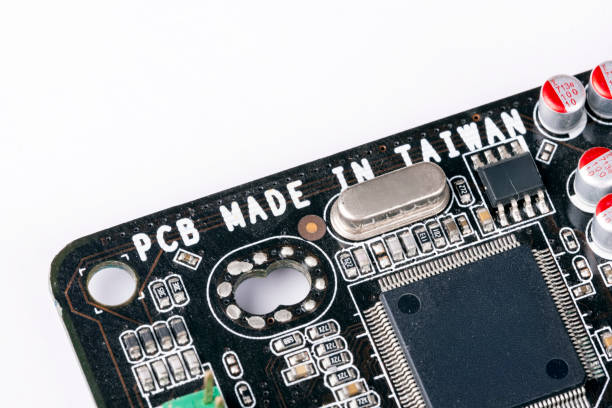
Hydrogen energy systems can operate under demanding electrical and environmental conditions. A control board may need to manage relatively high currents while simultaneously processing low-level sensor signals and digital communication data.
Several key requirements therefore need to be considered during PCB development.
High Current and Power Handling
Power-control circuits may carry substantial current depending on the vehicle architecture and application.
Insufficient copper thickness, narrow traces, poor thermal dissipation, or inadequate connection structures can increase resistance and heat generation.
PCB design should therefore consider:
- Copper thickness
- Trace width
- Current density
- Power-plane configuration
- Via current capacity
- Thermal paths
- Connector ratings
- Local heat concentration
For higher-current applications, thicker copper and appropriately sized conductors can provide lower electrical resistance and improve current-carrying capability.
The exact copper structure should be determined through electrical and thermal analysis rather than applying a single copper thickness to every design.
Thermal Management
Heat is an important consideration for hydrogen energy control electronics.
Power semiconductor devices, switching components, regulators, and other high-power circuits can generate localized heat during operation. If this heat is not effectively transferred away, component temperature can increase and affect reliability.
A suitable thermal design may incorporate:
- Large copper areas
- Thermal vias
- Copper planes
- Heat-spreading structures
- Thermally optimized component placement
- Metal-core or specialized PCB structures where appropriate
- External heatsinks or thermal interfaces
The PCB should be evaluated as part of the complete thermal system rather than independently from the enclosure and cooling architecture.
Corrosion and Environmental Resistance
Hydrogen energy equipment may operate in environments where moisture, temperature fluctuations, contaminants, or corrosive substances can affect electronic components.
Although the exact environmental conditions depend on the vehicle and system design, PCB protection should be considered from the earliest engineering stage.
Material Selection
The laminate should provide appropriate:
- Thermal stability
- Electrical insulation
- Dimensional stability
- Moisture resistance
- Mechanical strength
- Resistance to thermal cycling
For demanding automotive electronics, high-Tg materials may be considered when the expected temperature profile requires improved thermal stability.
The selected material should also be compatible with the PCB stackup, copper structure, assembly process, and required reliability performance.
Surface Finish
The PCB surface finish provides the solderable interface between copper pads and electronic components.
Depending on the package, assembly technology, environmental conditions, and product requirements, finishes such as ENIG or other suitable finishes may be considered.
Important considerations include:
- Surface flatness
- Solderability
- Oxidation resistance
- Pad reliability
- Compatibility with fine-pitch components
The appropriate finish should be selected according to the actual assembly and operating requirements rather than simply based on cost.
High-Current PCB Design Considerations
A reliable Hydrogen Energy PCB requires careful electrical design because high-current paths can generate significant heat and voltage drop.
Trace Width and Copper Thickness
Current-carrying traces should be sized according to expected current, allowable temperature rise, copper thickness, and PCB construction.
High-current sections may require thicker copper or larger copper areas to reduce resistance.
Designers should evaluate:
- Continuous current
- Peak current
- Trace width
- Copper thickness
- Temperature rise
- Voltage drop
- Connection resistance
The design should also account for transitions between copper layers.
Via Design
When high-current paths transition between PCB layers, vias become part of the current path.
A single small via may not provide sufficient capacity for a high-current connection. Multiple vias or specially designed copper structures can be used to distribute current and reduce localized heating.
Via arrays should be evaluated according to the actual current requirements and manufacturing capabilities.
Power and Ground Planes
Large-area power and ground planes can help reduce impedance and improve current distribution.
They can also contribute to thermal spreading when properly connected to heat-generating components.
A well-designed multilayer stackup should establish clear relationships between:
- Power layers
- Ground layers
- Signal layers
- High-current regions
- Sensitive analog circuits
- Communication interfaces
This separation can help reduce unwanted coupling between high-power switching circuits and sensitive measurement signals.
Signal Integrity and Control Circuit Design
A hydrogen energy control board may contain both high-power circuits and low-level control or sensing circuits.
This creates an important PCB layout challenge.
High-current switching paths can generate electromagnetic noise that may interfere with sensitive signals from temperature, voltage, current, pressure, or other sensors.
PCB designers should therefore consider:
- Signal routing
- Ground-plane continuity
- Return-current paths
- Differential signaling
- Filtering
- Component placement
- Separation of noisy and sensitive circuits
- Shielding where required
For projects requiring detailed stackup planning, routing optimization, and manufacturability analysis, professional PCB Design and Layout can help identify potential electrical and production risks before fabrication.
Multilayer PCB Structure
A multilayer structure can provide the routing density and electrical separation required by increasingly integrated hydrogen energy control systems.
Different layers can be assigned to power, ground, high-speed signals, control signals, and other functional circuits.
A carefully engineered multilayer stackup can improve:
- Power integrity
- Signal integrity
- EMI performance
- Routing density
- Thermal distribution
- Mechanical stability
The stackup should be established before detailed routing because dielectric thickness and copper configuration directly affect controlled impedance and electrical performance.
PCB Manufacturing Requirements
The performance of a Hydrogen Energy Battery Control Board PCB depends not only on the design but also on manufacturing consistency.
Precision Lamination
Multilayer boards require accurate lamination to maintain dimensional stability and layer-to-layer alignment.
Important parameters include:
- Lamination temperature
- Pressure
- Pressing time
- Dielectric thickness
- Layer registration
- Resin distribution
- Board flatness
Poor lamination control can contribute to delamination, dimensional changes, and reliability problems during thermal cycling.
Copper Plating
Copper plating is particularly important for high-current and multilayer boards.
The manufacturing process should provide consistent copper thickness on:
- Outer layers
- Inner layers
- Through-hole walls
- Vias
- Connection areas
Plating uniformity affects electrical resistance and the reliability of interlayer connections.
Precision Drilling
Accurate drilling is required to ensure reliable electrical connections between PCB layers.
Critical manufacturing parameters include:
- Hole diameter
- Hole position
- Drill-to-pad registration
- Hole-wall quality
- Plating thickness
- Aspect ratio
For advanced multilayer designs, tight process control is essential to maintain consistency between the engineering data and finished boards.
A controlled PCB Manufacturing process can help ensure that copper structures, vias, layer registration, and surface finishes meet the specified design requirements.
PCB Assembly for Hydrogen Energy Control Boards
PCB fabrication is only one stage of producing a reliable hydrogen energy control system. Component assembly also has a direct impact on electrical and mechanical reliability.
A typical board may include:
- Microcontrollers
- Power-management ICs
- MOSFETs or other switching devices
- Sensors
- Capacitors
- Resistors
- Communication components
- Connectors
- Protection devices
- Thermal-management components
A reliable PCB Assembly process should control component sourcing, solder-paste deposition, component placement, reflow, inspection, and electrical testing.
Particular attention may be required for high-power components because solder-joint quality and thermal interfaces can influence both electrical performance and heat transfer.
Important assembly controls include:
- Accurate SMT placement
- Fine-pitch component assembly
- BGA assembly where applicable
- Solder-paste inspection
- Reflow-profile optimization
- AOI inspection
- X-ray inspection where appropriate
- Electrical testing
- Functional testing
For new hydrogen energy projects, Prototype PCB Assembly can help engineering teams validate the design, component selection, thermal behavior, and assembly process before moving into larger production volumes.
Automotive Reliability and Quality Control
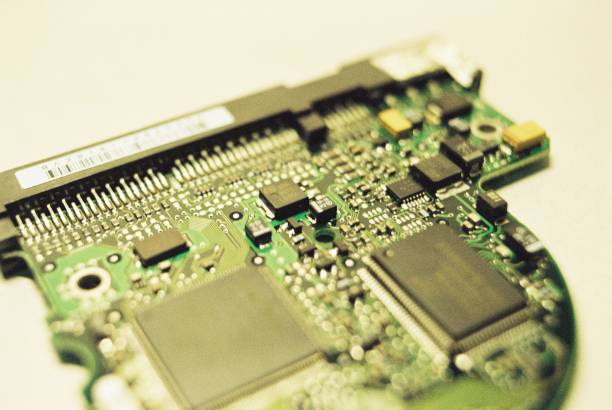
Because hydrogen energy systems are closely associated with automotive applications, PCB quality management should be aligned with the actual product requirements and applicable industry standards.
A comprehensive quality system should address the entire manufacturing chain.
Incoming Material Inspection
Materials should be verified before entering production.
Depending on the design, incoming inspection may cover:
- Laminate specifications
- Copper thickness
- Material identification
- Surface condition
- Dimensional characteristics
- Required material documentation
This helps prevent material-related defects from entering subsequent production processes.
In-Process Inspection
Critical manufacturing stages should be monitored throughout production.
Typical control points include:
- Drilling
- Desmear
- Copper plating
- Imaging
- Etching
- Lamination
- Solder mask
- Surface finish
- Electrical testing
Process records can also improve traceability and help manufacturers identify the source of production deviations.
Final Inspection
Before shipment, finished boards may undergo:
- Visual inspection
- Dimensional inspection
- Electrical continuity testing
- Isolation testing
- Surface-finish inspection
- Hole inspection
- Cross-section analysis where required
The inspection plan should be determined according to the PCB design, application requirements, customer specifications, and applicable quality standards.
Thermal and Environmental Reliability Testing
A Hydrogen Energy PCB should be evaluated under conditions representative of its intended application.
Depending on the final product requirements, reliability validation may include:
- Thermal cycling
- High-temperature exposure
- Low-temperature exposure
- Humidity testing
- Vibration testing
- Mechanical shock
- Electrical load testing
- Insulation resistance testing
Thermal cycling is particularly useful for identifying weaknesses associated with differences in thermal expansion between PCB materials, copper structures, solder joints, and components.
For high-current boards, thermal testing can also help verify whether actual operating temperatures remain within the intended design limits.
Electromagnetic Compatibility Considerations
Hydrogen energy control systems may operate alongside motors, power electronics, communication modules, sensors, and other electronic equipment.
Electromagnetic compatibility should therefore be considered throughout the PCB design process.
Potential approaches include:
- Continuous ground references
- Controlled return paths
- Separation of high-current switching circuits
- Local filtering
- Decoupling capacitors
- Appropriate connector placement
- Short high-current loops
- Shielding where necessary
The goal is to prevent unwanted electromagnetic energy from affecting sensitive control and sensing circuits.
This is especially important when the PCB must simultaneously manage high-power switching and low-level measurement signals.
From Prototype to Production
Hydrogen energy electronics often require several engineering iterations before the final PCB is released for production.
A typical development process may include:
- Electrical schematic review
- PCB stackup development
- High-current and thermal analysis
- PCB layout
- Design-for-manufacturing review
- Prototype fabrication
- Prototype assembly
- Electrical and functional testing
- Reliability validation
- Production release
Prototype testing allows engineers to identify issues such as excessive temperature rise, voltage drop, electromagnetic interference, component placement problems, or mechanical interference before larger production commitments are made.
Once the design has been validated, manufacturing parameters can be standardized for repeat production.
Components and Supply Chain Management
Hydrogen energy control boards may use a combination of standard and specialized electronic components.
Component availability should therefore be considered during PCB development rather than only after the board has been designed.
Important factors include:
- Component lifecycle
- Lead time
- Approved alternatives
- Package availability
- Automotive requirements
- Supply continuity
- Counterfeit-risk control
- Traceability
Integrated Components Procurement can help coordinate component sourcing with PCB assembly and production scheduling.
This can be particularly useful when prototype and production builds require consistent component specifications.
Why PCB Quality Matters for Hydrogen Energy Systems
The PCB serves as the electrical foundation of the battery and power-control system. A manufacturing defect, insufficient copper structure, unreliable via, poor solder joint, or inadequate thermal path can affect system performance.
A high-quality Hydrogen Energy Battery Control Board PCB should therefore combine:
- High-current capability
- Effective thermal management
- Stable signal transmission
- Reliable power distribution
- Environmental resistance
- Mechanical durability
- Controlled electromagnetic performance
- Consistent manufacturing
- Reliable PCB Assembly
- Comprehensive inspection and testing
The objective is not simply to manufacture a circuit board, but to create a stable electronic platform capable of supporting the complete control system.
Conclusion
The Hydrogen Energy Battery Control Board PCB plays an important role in the development of hydrogen fuel cell and energy-management electronics. It provides the electrical foundation for power control, sensor monitoring, communication, protection, and system diagnostics.
Because these boards may need to handle high currents while operating under demanding thermal, mechanical, and environmental conditions, PCB engineering must consider electrical performance and reliability from the beginning of the design process.
By combining appropriate materials, optimized copper structures, effective thermal management, reliable multilayer construction, controlled PCB fabrication, and precision PCB Assembly, manufacturers can develop circuit boards better suited to demanding hydrogen energy applications.
As hydrogen-powered transportation and related energy systems continue to evolve, PCB designs will need to support greater power density, improved thermal performance, higher integration, and increasingly sophisticated control functions. A carefully engineered Automotive PCB will remain an important foundation for achieving reliable electronic control in these next-generation energy systems.