Laboratory Equipment PCBA Assembly: Cost, Capabilities & Quality Comparison Guide
Whether it’s a spectrometer, PCR analyzer, microplate reader, or environmental monitoring instrument, core performance depends on a stable and precise electronic control system. The foundation of these systems is high-reliability PCBA (printed circuit board assembly). In the laboratory equipment industry, PCBA manufacturing precision, component placement, noise control, and testing standards directly impact measurement accuracy, long-term stability, and reliability.
This guide offers a professional engineer’s perspective on the cost structure, capability differences, and quality benchmarks of laboratory equipment PCBA assembly. It helps scientific instrument manufacturers, engineering teams, and procurement departments make informed decisions when selecting a PCBA supplier.
- 1. Introduction to Laboratory Equipment PCBA Assembly
- 2. Core Capabilities Required for Laboratory PCBA Assembly
- 3. Common PCBA Assembly Technologies for Laboratory Instruments
- 4. Cost Structure Analysis of Laboratory PCBA
- 5. Low-Cost vs. High-End PCBA Supplier Comparison
- 6. Quality Comparison Dimensions for PCBA Suppliers
- 7. Capability Differences Among Top-Tier PCBA Suppliers
- 8. Typical PCBA Applications in Various Laboratory Instruments
- 9. gopcb’s Professional PCBA Solutions for Laboratory Equipment
- 10. Conclusion
- 11. FAQ (Laboratory Equipment PCBA Assembly)
1. Introduction to Laboratory Equipment PCBA Assembly
1.1 Why PCBA Is Critical for Laboratory Instruments
Laboratory instruments require continuous, stable, low-noise electronic systems to control:
- Precision sensors
- Motor drives and actuator modules
- Optical detection systems
- Temperature control modules
- High-speed data acquisition systems
A reliable PCBA ensures:
- High-precision measurement and signal consistency
- Immunity to interference
- Reliability during long-duration continuous operation
- Equipment lifespan and stability
1.2 Core Technical Requirements for Scientific Instrument PCBA
Laboratory and analytical instruments typically demand:
- Low-noise, low-drift signal chains
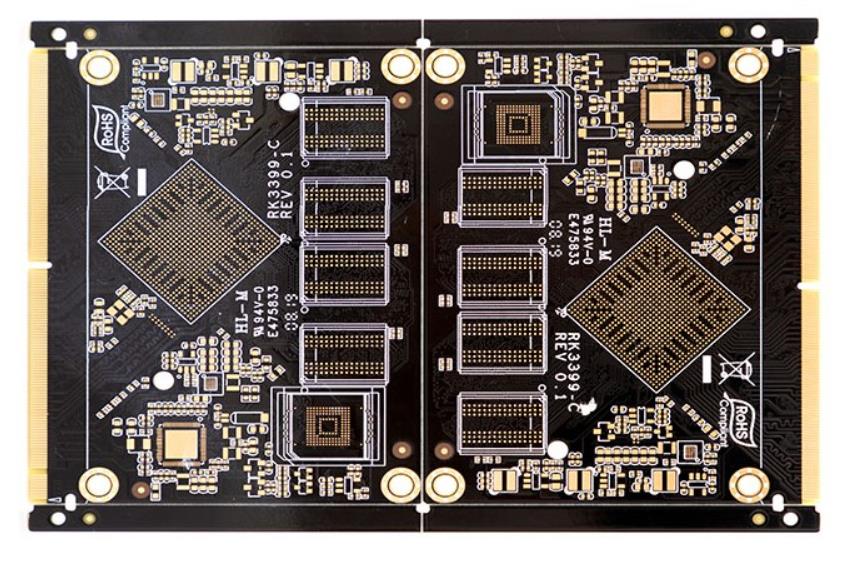
- Multilayer high-density circuit boards (6–12 layers common)
- Highly stable power supply designs
- Strict cleanliness standards
- Compliance with medical and laboratory-grade standards (e.g., ISO13485, IPC Class 3)
2. Core Capabilities Required for Laboratory PCBA Assembly
2.1 High-Precision Soldering Capability
Laboratory instruments often incorporate miniature packages such as 01005, QFN, and BGA, requiring placement accuracy as tight as ±25 μm to preserve signal integrity.
2.2 Reliability for Continuous Long-Term Operation
Equipment like PCR analyzers and temperature-controlled instruments run 24/7 and need:
- High-temperature resistant materials (FR4 TG170/180 or PI)
- High-strength solder joints
- Redundant design for critical signals
2.3 Compatibility with High-Sensitivity Sensors & Analog Circuits
Spectrometers, chromatographs, and gas detectors place extreme demands on analog front ends. Circuit designs must avoid:
- Signal crosstalk
- EMI interference
- Signal drift caused by poor materials or layout
2.4 Compliance with Laboratory and Medical Standards
Common standards include:
- ISO13485 – Quality management for medical and laboratory devices
- RoHS / REACH environmental compliance
- IPC Class 3 – High-reliability manufacturing standard
3. Common PCBA Assembly Technologies for Laboratory Instruments
3.1 SMT, THT, and Mixed Assembly
Laboratory instruments typically require a combination of processes, including surface-mount ICs, precision sensors, high-power connectors, and through-hole components. Mixed-technology PCBA is often the optimal approach for these complex assemblies.
3.2 HDI and Microvia Technology
HDI significantly enhances signal integrity, especially for high-speed data processing in analytical instruments.
3.3 Conformal Coating and Environmental Protection
Laboratory environments often expose electronics to corrosive gases, moisture, and chemicals. Common coatings include:
- Acrylic
- Silicone
- UV-curable coatings
These protect the board from contamination and extend operational life.
3.4 High-Speed Data Acquisition Circuit Design
PCR analyzers, optical detectors, and spectrometers require stable high-speed communication links (LVDS, USB3.0, Ethernet, etc.).
4. Cost Structure Analysis of Laboratory PCBA
4.1 PCB Material and Layer Count Cost Comparison
| PCB Type | Layers | Cost (USD) | Description |
|---|---|---|---|
| Standard FR4 | 2–4 layers | $30–$80 | Suitable for basic lab equipment |
| High-TG FR4 | 4–8 layers | $90–$180 | For high-temperature and high-stability instruments |
| HDI Board | 6–12 layers | $150–$280 | Required for high-speed, complex scientific instruments |
For detailed PCB fabrication options, visit our PCB manufacturing page.
4.2 Component and Sensor Costs
Precision sensors and specialized ICs are often priced higher, typically $8–$40 each for optical, temperature, chemical, and electrical sensing systems.
4.3 Assembly Labor Costs
- SMT: $0.008–$0.015 per solder joint
- THT: $0.02–$0.06 per solder joint
Learn more about our SMT assembly services.
4.4 Testing Costs
Including AOI, X-ray, ICT, and FCT, typically $60–$180 per batch.
4.5 Prototype vs. Volume Production Differences
- Prototype / low-volume (1–10 pcs): $250–$800
- Volume production (300+ pcs): $18–$60 per board
For prototype services, see our prototype PCBA assembly page.
5. Low-Cost vs. High-End PCBA Supplier Comparison
5.1 Cost Structure Comparison Table
| Category | Low-Cost Supplier | High-End Supplier | Impact |
|---|---|---|---|
| PCB Material | Low | Medium–High | Long-term reliability differences |
| Component Traceability | Medium | High | Greater reliability with high-end suppliers |
| Assembly Precision | Low | High | Significantly affects analog and high-speed circuits |
| Testing Capability | Basic | Comprehensive | Determines equipment lifespan |
| Certifications | Few | ISO13485 / Class 3 | Essential for lab equipment |
5.2 Common Hidden Costs
- Counterfeit or untraceable components
- Low yield leading to rework
- Lack of cleanroom environment
- Inadequate functional testing
5.3 Balancing Cost and Performance
For demanding laboratory instruments, the best choice is typically a mid-to-high-end PCBA manufacturer rather than the cheapest bidder.
6. Quality Comparison Dimensions for PCBA Suppliers
6.1 IPC Class 2 vs. Class 3
Laboratory equipment is recommended to follow IPC Class 3 to ensure the highest level of reliability.
6.2 Testing Capability Differences
High-quality suppliers provide:
- Full AOI inspection
- BGA X-ray
- ICT
- FCT (custom functional test fixtures)
6.3 Component Traceability and Calibration Stability
Better traceability for sensors, power management ICs, and MCUs directly correlates with higher reliability.
6.4 Cleanliness Standards
Laboratory-grade requirements demand ionic contamination below 1.56 μg NaCl/cm².
7. Capability Differences Among Top-Tier PCBA Suppliers
7.1 Professional Engineering and DFM/DFT Support
Top-tier suppliers provide detailed DFM reports that improve yield and reduce costs.
7.2 High-Precision Placement Capability
±20–25 μm placement accuracy is essential for high-speed, low-noise laboratory circuits.
7.3 Industry Experience: Understanding Laboratory Equipment Matters Most
Critical areas include:
- Temperature control circuits
- Optical signal chains
- High-speed ADC/DAC data paths
- High-sensitivity analog front ends
7.4 Essential Certifications
- ISO13485
- ISO9001
- RoHS / REACH
- IPC Class 3
8. Typical PCBA Applications in Various Laboratory Instruments
8.1 Spectrometers
Require high-speed ADCs, power supply noise suppression, and high-density signal chains.
8.2 PCR Analyzers and Medical Analyzers
Include temperature control PCBA, precision heater drivers, and thermal cycler control systems.
8.3 Centrifuges and Microplate Readers
Feature motor drive PCBA, optical detection modules, and LED excitation systems.
8.4 Environmental Testing Instruments
Incorporate multi-sensor interfaces, data acquisition and processing systems, and voltage regulation modules.
9. gopcb’s Professional PCBA Solutions for Laboratory Equipment
9.1 PCBA Capability Overview
gopcb offers a complete one-stop PCBA service for the laboratory equipment and scientific instrument industry, including:
- 2–12+ layer PCB fabrication
- HDI + microvia technology
- SMT + THT + mixed processes
- Conformal coating
- Full functional test support
Explore our turnkey PCBA assembly services for complete project management.
9.2 Real USD Pricing Examples
| Service Type | Price Range |
|---|---|
| 4-Layer Lab Equipment PCBA | $35–$55/pcs |
| 6-Layer HDI PCBA | $60–$120/pcs |
| Lab Instrument PCBA Prototype | $260–$650 |
| Coating + Testing Services | $1.2–$3.8/pcs |
9.3 Quality and Engineering Controls
gopcb fully implements:
- IPC Class 3 manufacturing standards
- Component traceability systems
- Cleanroom-level processes
- 100% AOI + X-ray inspection
9.4 Success Story
After switching to gopcb‘s HDI PCBA, a bioanalyzer brand achieved a 31% improvement in equipment stability and reduced field failure rates by over 45%.
10. Conclusion
PCBA is at the heart of laboratory equipment performance. Choosing a high-quality supplier not only affects measurement accuracy but also determines the instrument’s service life and long-term maintenance costs. For high-reliability scientific instruments, a supplier like gopcb—with HDI capability, Class 3 standards, industry experience, and a complete test system—is the best choice for a long-term, stable partnership.
11. FAQ (Laboratory Equipment PCBA Assembly)
Q1: Is IPC Class 3 required for laboratory equipment PCBA?
Yes, the vast majority of precision analytical instruments recommend Class 3 to ensure the highest reliability.
Q2: Is HDI PCB always necessary for lab instruments?
Not always, but for optical detection and high-speed acquisition instruments, HDI significantly improves performance.
Q3: What is the typical cost of laboratory equipment PCBA?
Typically $35–$120 per board, depending on layer count, materials, and testing requirements.
Q4: Does gopcb offer full-process PCBA for lab instruments?
Yes, gopcb provides a complete one-stop service including PCB fabrication, component procurement, SMT assembly, coating, and testing.
For high-volume production needs, visit our high-volume PCBA assembly page. For low-volume or prototype requirements, check our low-volume PCBA assembly services.