VR Headset PCB Selection Guide: Materials, Types, Costs & Manufacturing
With the widespread adoption of virtual reality (VR) headsets in gaming, training simulations, and immersive experiences throughout 2025 and beyond, the printed circuit board (PCB) has become an increasingly critical core component. PCBs ensure high-speed signal transmission stability, manage thermal dissipation, and provide mechanical reliability. Selecting the right PCB is essential for manufacturing high-performance VR headsets. This guide provides procurement professionals with a comprehensive understanding of VR headset PCB selection, covering materials, design types, cost considerations, and manufacturing quality.
1. Common PCB Types for VR Headsets
VR headsets demand PCBs that balance performance, weight, and flexibility. The most common types include:
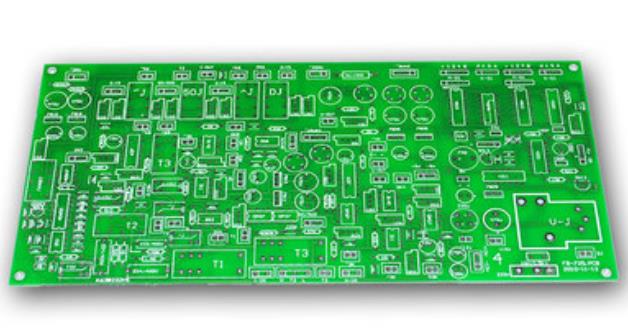
- Rigid PCB: Durable and stable, ideal for main control boards.
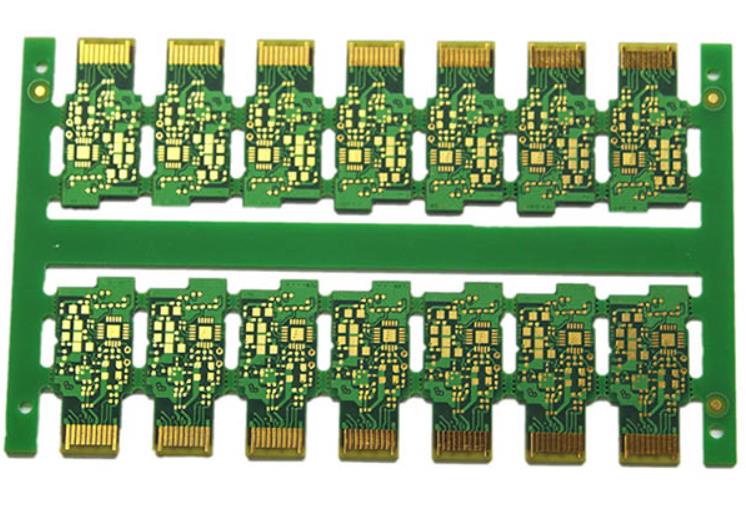
- Flexible PCB (Flex PCB): Lightweight and bendable, suited for headbands and sensor modules. Learn more about flex PCB assembly.
- Rigid-Flex PCB: Combines the benefits of rigid and flexible designs, perfect for compact multi-layer configurations.
- High-Density Interconnect (HDI) PCB: Supports miniaturization and high-speed routing, ideal for advanced optical and tracking modules.
| PCB Type | Typical VR Headset Application | Advantages | Price Range (USD) |
|---|---|---|---|
| Rigid PCB | Main control board | Durable, stable signals | $12–$30 |
| Flexible PCB | Headbands, sensors | Lightweight, bendable routing | $15–$35 |
| Rigid-Flex PCB | Compact multi-layer designs | Space-saving, high reliability | $25–$50 |
| HDI PCB | High-speed optical & tracking modules | Miniaturized, high performance | $30–$50 |
2. Core Requirements for VR Headset PCBs
When selecting a PCB, pay close attention to these critical parameters:
- Electrical Performance: Ensure low interference and high-frequency transmission for display and sensor modules.
- Thermal Management: Effectively reduce overheating risks for chips and display components.
- Mechanical Reliability: Resistance to vibration and repeated bending for long-term stability.
- Miniaturization & Layer Count: Multi-layer PCBs enable compact, lightweight designs without compromising performance.
GoPCB offers custom PCBs with up to 12 layers, meeting the signal integrity and thermal performance demands of VR headsets. Explore our PCB manufacturing capabilities.
3. PCB Materials & Manufacturing Considerations
Material selection directly impacts performance and reliability:
- FR-4: Standard, cost-effective, suitable for general VR PCBs.
- Rogers materials: Ideal for high-frequency modules, offering stable signal transmission.
- Polyimide: Flexible material used for headbands and foldable circuits.
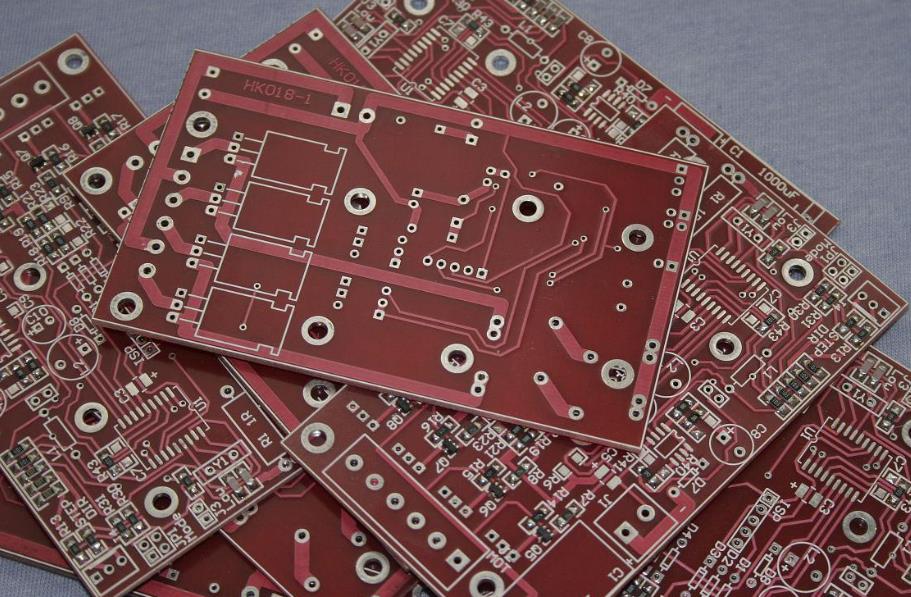
Manufacturing quality is equally important. PCBs should comply with ISO and IPC standards, and surface finishes such as ENIG or HASL should be used to ensure solder joint reliability.
4. GoPCB: Your VR Headset PCB Manufacturing Partner
GoPCB is a leading global PCB manufacturer specializing in high-quality circuit board solutions for VR headsets and a wide range of electronic products. Our core advantages include:
- Prototyping: Starting at $12 per board, enabling fast iteration.
- High-Density Production Boards: Available up to $50 per board for volume production.
- Custom Solutions: Rigid, flexible, rigid-flex, and HDI PCBs tailored to VR headset design requirements.
- Certifications: ISO9001 and RoHS compliant, ensuring consistent quality and reliability.
- Global Service: Rapid response to design needs for both consumer and enterprise VR headset manufacturers.
GoPCB ensures every board meets engineering standards, supporting VR innovators from prototype to mass production. Discover our turnkey PCB assembly services.
5. Cost Analysis & Price Reference
VR PCB pricing depends on complexity, materials, and layer count:
| PCB Specification | Price Range (USD) |
|---|---|
| Single-layer FR-4 | $12–$15 |
| 4–6 layer rigid PCB | $18–$25 |
| 6–8 layer rigid-flex PCB | $30–$40 |
| 10–12 layer HDI PCB | $40–$50 |
GoPCB offers competitive pricing while maintaining engineering-grade quality, supporting seamless scaling from prototype to high-volume production.
6. VR PCB Procurement Checklist
Key considerations to ensure VR headset performance:
- Electrical and mechanical performance requirements
- Resistance to vibration and repeated bending
- Manufacturer certifications (ISO, IPC, RoHS)
- Prototype design and production needs
- Lead time and scalability
GoPCB provides expert design consultation to help buyers select the most suitable PCB solution. Learn about our PCB design & layout services.
7. Emerging Trends in VR PCB Design
- Increasing adoption of rigid-flex PCBs in ultra-thin VR headsets
- Miniaturization to improve wearing comfort and reduce weight
- AI-assisted PCB design to optimize signal routing and reduce interference
- Green PCB manufacturing for sustainable development
8. FAQ
Q1: What are the differences between rigid, flex, and rigid-flex PCBs?
A1: Rigid PCBs are durable and stable; flex PCBs are bendable; rigid-flex PCBs combine both benefits, making them ideal for compact designs.
Q2: What is the price range for high-density VR PCBs?
A2: Typically between $30–$50, depending on layer count and materials.
Q3: Does GoPCB offer prototyping services for VR headset PCBs?
A3: Yes, prototyping starts at $12 per board, supporting fast iteration and testing.
9. Conclusion
Selecting the right PCB is fundamental to delivering a high-quality VR experience. Buyers should consider PCB type, materials, layer count, electrical performance, thermal management, and manufacturing quality. GoPCB is a trusted partner offering high-quality, cost-effective VR headset PCBs, from prototype through to mass production, ensuring every innovative design becomes a reality. Start your prototype PCB assembly with GoPCB today.