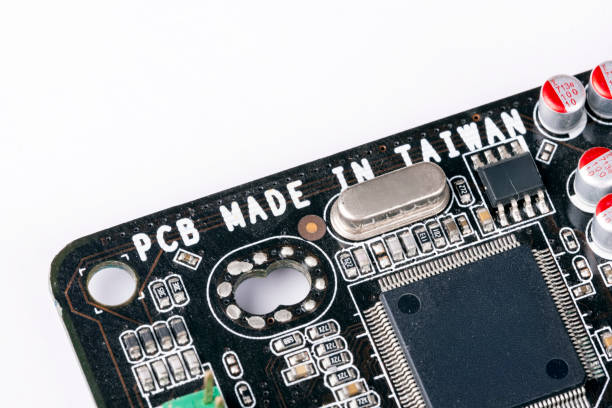
Comparison of Different Copper Foil Types in PCB Manufacturing
Copper Foil is one of the most important materials in PCB manufacturing because it forms the conductive pathways that enable electrical signal transmission. The selection of copper foil directly affects PCB performance, manufacturing cost, reliability, and application suitability.
In modern PCB production, different copper foil types are developed to meet various technical requirements. Their differences mainly involve:
- Manufacturing process
- Material structure
- Surface characteristics
- Electrical performance
- Mechanical properties
Depending on PCB applications, different copper foils are selected for products such as HDI PCB, high-frequency circuit boards, and multilayer circuit boards.
Professional PCB Manufacturing requires precise material selection and process control to ensure excellent electrical performance, mechanical reliability, and long-term stability.
Electrolytic Copper Foil: A Widely Used Standard Solution
Electrolytic copper foil is manufactured through an electrochemical deposition process. During production, copper ions are deposited onto a rotating cathode drum inside an electrolytic cell, forming continuous copper foil sheets.
Due to its mature manufacturing technology and cost advantages, electrolytic copper foil is one of the most commonly used copper materials in PCB production.
Advantages of Electrolytic Copper Foil
1. Strong Bonding Performance
The surface of electrolytic copper foil usually has a relatively rough structure.
This rough surface provides better mechanical adhesion between copper foil and laminate materials, improving:
- Layer bonding strength
- Lamination reliability
- Resistance to delamination
Therefore, electrolytic copper foil is widely used in multilayer PCB applications where strong interlayer bonding is required.
For advanced multilayer structures, professional Multilayer PCB manufacturing requires strict control of copper foil selection and lamination parameters.
2. Wide Thickness Range
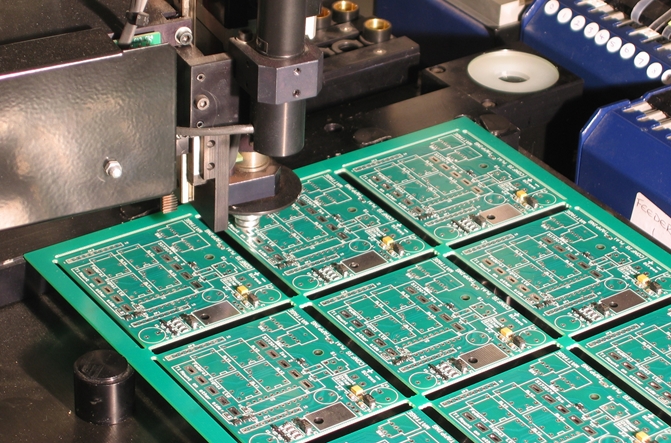
Electrolytic copper foil is available in various thickness options, allowing engineers to select suitable copper thickness based on:
- Current carrying requirements
- Circuit design
- Thermal management needs
It can support applications ranging from standard electronic products to high-power circuit designs.
Limitations of Electrolytic Copper Foil
Although electrolytic copper foil provides excellent bonding strength, its rough surface can affect high-frequency signal transmission.
At high frequencies, surface roughness may increase:
- Signal reflection
- Transmission loss
- Skin effect influence
Therefore, for high-speed and high-frequency applications requiring excellent signal integrity, other copper foil solutions may be preferred.
Rolled Copper Foil: A Preferred Choice for High-Performance Applications
Rolled copper foil is manufactured through mechanical rolling processes.
Unlike electrolytic copper foil, rolled copper foil is produced by repeatedly rolling and annealing thick copper materials until the required thickness is achieved.
This process creates a denser copper structure and smoother surface characteristics.
Advantages of Rolled Copper Foil
1. Excellent High-Frequency Signal Performance
The smooth surface of rolled copper foil helps reduce signal transmission losses.
Compared with rougher copper foil surfaces, rolled copper foil can reduce the impact of:
- Skin effect
- Signal distortion
- High-frequency attenuation
This makes it an ideal choice for:
- High-speed PCB
- RF circuit boards
- Advanced communication systems
For high-performance applications requiring strict signal control, High Frequency PCB solutions benefit from the excellent electrical characteristics of rolled copper foil.
2. Superior Flexibility and Mechanical Strength
Rolled copper foil has excellent:
- Ductility
- Bending resistance
- Mechanical durability
Because of these advantages, it is widely used in:
- Flexible PCB
- Wearable electronics
- Devices requiring repeated bending
Rolled copper foil can maintain electrical stability even under continuous mechanical stress.
Limitations of Rolled Copper Foil
The manufacturing process of rolled copper foil is more complicated than electrolytic copper foil.
Multiple rolling and annealing processes increase:
- Production complexity
- Manufacturing cost
Therefore, rolled copper foil is generally selected for high-performance applications rather than cost-sensitive standard PCB products.
Ultra-Thin Copper Foil: Key Material for High-Density PCB Designs
With the rapid development of compact electronic products, PCB designs require higher wiring density and smaller circuit dimensions.
Ultra-thin copper foil was developed to meet the requirements of advanced HDI PCB manufacturing.
Its thickness is significantly lower than traditional copper foil, enabling finer circuit fabrication.
Advantages of Ultra-Thin Copper Foil
1. Supports Fine-Line Circuit Manufacturing
The biggest advantage of ultra-thin copper foil is its ability to create extremely fine circuit patterns.
Benefits include:
- Narrower trace width
- Higher wiring density
- More compact PCB designs
This makes ultra-thin copper foil essential for:
- Smartphones
- Miniaturized electronic devices
- Advanced HDI circuit boards
2. Improved Circuit Accuracy
Ultra-thin copper foil provides cleaner circuit edges after etching.
This helps reduce:
- Line deformation
- Signal interference
- Manufacturing variation
As a result, PCB designers can achieve higher integration levels within limited board space.
For advanced compact electronics, HDI PCB technology relies heavily on ultra-thin copper foil materials.
Limitations of Ultra-Thin Copper Foil
Due to its extremely thin structure, ultra-thin copper foil requires stricter manufacturing control.
Potential challenges include:
- Surface scratches
- Material damage
- Handling difficulties
Therefore, manufacturers need advanced equipment and precise process management during PCB production.
Comparison of Different Copper Foil Types
| Copper Foil Type | Main Advantages | Main Applications |
|---|---|---|
| Electrolytic Copper Foil | Strong bonding performance, wide thickness options, cost-effective | Standard PCB, multilayer PCB, power applications |
| Rolled Copper Foil | Smooth surface, excellent flexibility, high-frequency performance | High-speed PCB, RF PCB, flexible PCB |
| Ultra-Thin Copper Foil | Supports fine circuits and high-density layouts | HDI PCB, miniaturized electronics |
How to Select the Right Copper Foil for PCB Manufacturing?
The correct copper foil selection depends on several factors:
Signal Requirements
For high-frequency and high-speed applications, smoother copper foil surfaces help reduce signal loss and improve signal integrity.
Mechanical Requirements
For flexible or bending applications, rolled copper foil provides better durability and reliability.
Density Requirements
For compact electronic products requiring extremely fine circuits, ultra-thin copper foil is the preferred solution.
Cost Considerations
For standard PCB applications, electrolytic copper foil remains the most economical and widely adopted option.
Copper Foil Selection in Advanced PCB Manufacturing
Different PCB applications require different copper foil characteristics.
A professional PCB supplier evaluates:
- Electrical performance
- Mechanical reliability
- Manufacturing feasibility
- Cost targets
before selecting the most suitable copper material.
For prototype validation and small-volume production, Prototype PCB Assembly services help engineers verify copper foil selection and PCB performance before moving into larger production stages.
Conclusion
Copper foil plays a critical role in determining PCB performance and reliability.
Electrolytic copper foil provides excellent bonding strength and cost advantages, making it suitable for general multilayer PCB applications.
Rolled copper foil delivers superior flexibility and high-frequency performance, making it ideal for advanced communication and flexible electronic products.
Ultra-thin copper foil supports fine-line manufacturing and high-density interconnections, becoming an essential material for next-generation HDI PCB designs.
By selecting the right copper foil type according to application requirements, PCB manufacturers can achieve better signal integrity, higher reliability, and improved product performance.