Automotive PCB in Electric Vehicles, ADAS & Powertrain Systems
December 20, 2025 · Industry Insight
With the rapid development of electric vehicles (EVs), advanced driver-assistance systems (ADAS), and intelligent powertrain systems, automotive electronics demand unprecedented performance and reliability from automotive-grade PCBs. Unlike consumer electronics, automotive systems must operate reliably for 10–15 years under extreme conditions—high temperature, strong vibration, humidity, and electromagnetic interference. Thus, the design and manufacturing quality of automotive PCBs directly determine the safety, stability, and service life of the entire vehicle electronic system.
1. Overview of Automotive PCB Technology
What is Automotive-Grade PCB?
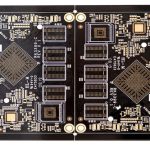
Automotive PCBs are printed circuit boards specifically designed for automotive electronic systems, meeting strict requirements for reliability, durability, and consistency. They are widely used in EVs, ADAS, powertrain, body control, and other critical modules.
Core Performance Requirements
- Wide operating temperature range (–40°C to +125°C and beyond)
- Excellent vibration and shock resistance
- Extended service life with low failure rate
- Compliance with automotive quality and safety standards
Automotive PCB vs. Industrial PCB vs. Consumer PCB
| Parameter | Automotive PCB | Industrial PCB | Consumer PCB |
|---|---|---|---|
| Temperature Range | –40°C ~ +125°C | –20°C ~ +85°C | 0°C ~ +70°C |
| Reliability Requirement | Extremely High | Medium-High | Low-Medium |
| Design Life | 10–15 years | 5–10 years | 2–5 years |
| Certification | IATF 16949 / AEC | ISO 9001 | Minimal |
2. Automotive PCB Standards and Certification
IATF 16949 is the core quality management standard for the global automotive supply chain, covering full traceability, defect prevention, and continuous improvement. Automotive PCBs must also be compatible with AEC-Q100 / Q200 qualified components to ensure long-term reliability in automotive environments. OEMs and Tier 1 suppliers typically require complete PPAP documentation and batch traceability.
3. Applications of Automotive PCB in Electric Vehicles (EV)
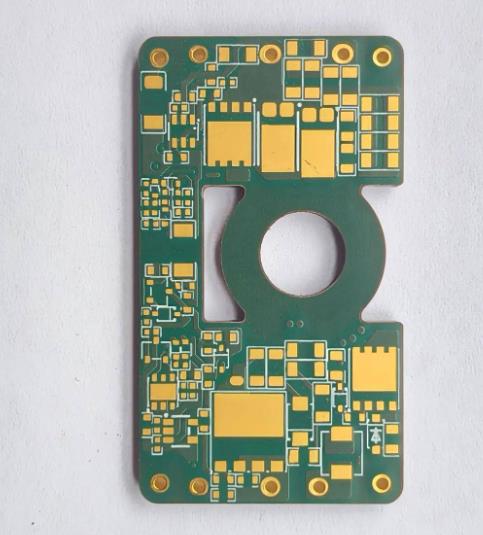
Battery Management System (BMS) PCBs monitor cell voltage, current, temperature, and SOC, demanding high-precision signal acquisition, EMI suppression, and stability. Inverter and Motor Control PCBs often use thick copper or metal-core PCBs (MCPCB) to handle high current and heat dissipation. On-Board Chargers (OBC) and DC-DC converters typically employ multilayer high-voltage PCBs with stringent requirements for dielectric strength, thermal performance, and safety isolation.
EV PCB Price Reference (Made in China)
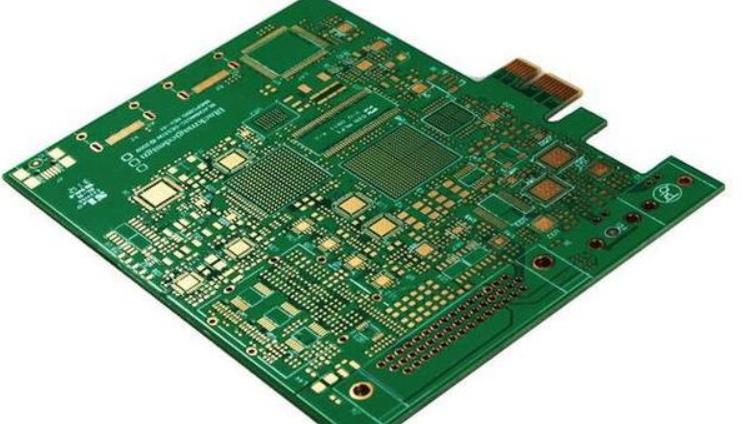
- BMS Control PCB (4-6 layers): $80 – $150 / m²
- Inverter Control PCB (6-10 layers): $120 – $220 / m²
- Power Module MCPCB (1-2 layers): $70 – $130 / m²
4. Automotive PCB in ADAS Systems
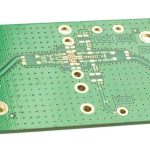
ADAS systems—including millimeter-wave radar, cameras, and LiDAR—widely adopt high-frequency, high-speed PCBs with stringent signal loss and impedance control requirements. Data processing and control units often use HDI multilayer boards to support high-speed data transmission and complex algorithms. Key challenges include signal integrity, EMI/EMC control, and long-term stability under high load.
👉 For ADAS and sensor applications, we offer specialized flexible PCB assembly and mixed-technology PCB assembly to ensure signal integrity and reliability.
5. Automotive PCB in Powertrain Systems
Engine control units (ECU) and transmission control units (TCU) typically operate in high-temperature, high-vibration environments, requiring high-Tg FR-4 or reinforced materials. Powertrain PCBs must endure thermal cycling, oil contamination, and continuous mechanical stress, making long-term reliability a critical factor.
6. Common Materials and Structural Forms for Automotive PCBs
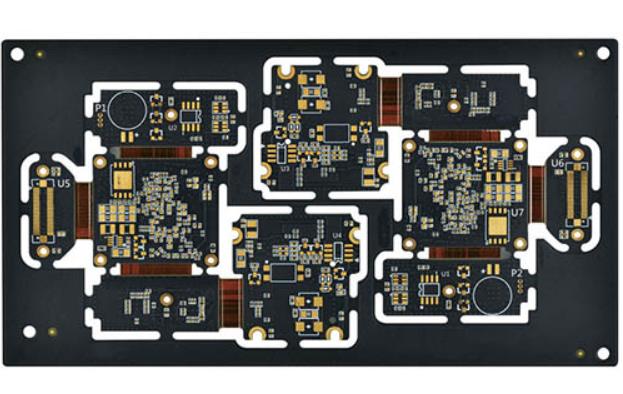
Main materials: high-Tg FR-4, polyimide (for flexible and rigid-flex), aluminum-based / copper-based metal substrates. Common types: rigid automotive PCBs, flexible PCBs (sensors/cameras), rigid-flex PCBs, and thick-copper / high-current PCBs. GOPCB supports full-spectrum PCB manufacturing across all material and structural options.
7. Key Design Challenges in Automotive PCBs
Thermal management under high power density, vibration and mechanical shock resistance, EMI/EMC compliance, and simultaneous miniaturization and lightweight design. Our PCB design and layout engineering support helps customers optimize from the ground up.
8. Manufacturing and Quality Control for Automotive PCBs
The manufacturing process is fully controlled, with common inspection methods including AOI, X-Ray, electrical testing, and functional testing. GOPCB strictly adheres to the IATF 16949 system to ensure full traceability of every PCB.
9. Cost Structure and Pricing Factors
- Layer count & structure: higher layers increase cost
- Material type: high-Tg / MCPCB costs more
- Copper thickness: thick copper significantly raises cost
- Production volume: larger batches reduce unit cost
Standard automotive PCB: $60 – $120/m²; high-reliability multilayer PCB: $120 – $250/m²; thick-copper / metal-core PCB: $90 – $180/m².
10. How to Choose a Reliable Automotive PCB Manufacturer
When selecting an automotive PCB supplier, evaluate: IATF 16949 certification, proven experience in EV/ADAS projects, comprehensive testing and traceability capabilities, and engineering support with DFM optimization. GOPCB excels in all these areas as a professional automotive-grade PCB manufacturer.
Explore our turnkey PCB assembly services and component procurement for a one-stop solution.
11. GOPCB Automotive PCB Solutions
GOPCB specializes in automotive-grade PCB manufacturing and assembly, delivering high-reliability solutions for EVs, ADAS, and powertrain systems. Advantages include: strict IATF 16949 compliance; support for rigid, flexible, rigid-flex, and metal-core PCBs; extensive experience in automotive electronics volume delivery; and engineering-driven DFM and technical support.
Whether you need prototype PCB assembly, low-volume PCB assembly, or high-volume PCB assembly, GOPCB delivers stable, reliable, and cost-effective solutions.
12. Conclusion: Automotive Electronics Evolution Relies on High-Reliability PCBs
As the automotive industry continues its shift toward electrification, intelligence, and connectivity, the technical barriers and value of automotive PCBs are rising. Choosing a partner with proven automotive experience significantly reduces system risks and enhances product competitiveness. GOPCB, as a professional automotive PCB manufacturer, provides global customers with stable, reliable, and cost-competitive solutions.
For more information, please visit our official website: https://www.gopcba.com/