Military-Grade PCB vs Industrial PCB: Key Differences, Cost & Performance
Published: December 10, 2025 | By GoPCB Engineering Team
In modern high-reliability electronic systems, the performance of the printed circuit board (PCB) directly determines whether equipment can operate stably in harsh environments. Military-grade PCB and industrial PCB both belong to high-reliability electronics manufacturing, but they differ significantly in materials, processes, cost, and application requirements. This article provides an engineer’s perspective on the critical differences, real-world USD price ranges, and highlights GoPCB as a trusted partner for military and industrial board manufacturing.
For a complete overview of our manufacturing capabilities, visit our PCB Manufacturing page.
1. What is Military-Grade PCB?
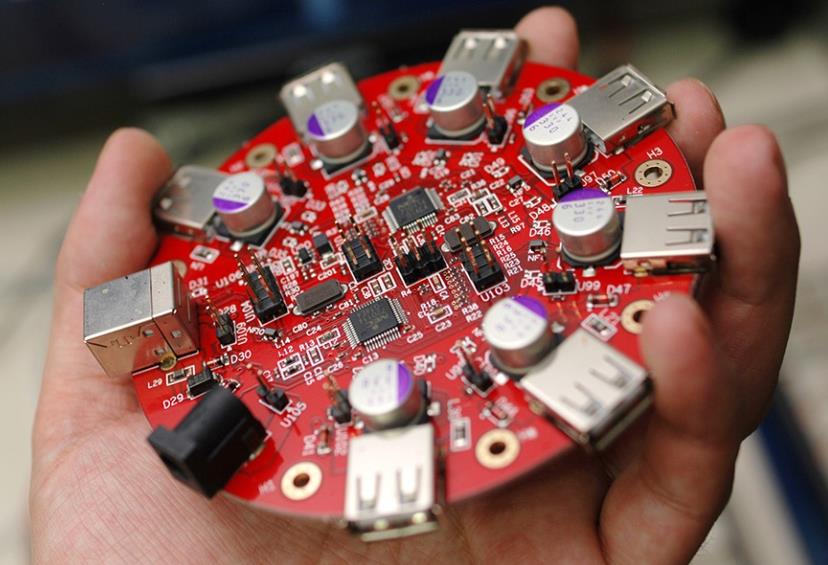
Military-grade PCBs are high-reliability circuit boards used in defense, aerospace, weapon systems, and mission-critical applications. They must maintain stable performance under extreme temperature, high shock, high humidity, and strong vibration.
Typical applications: radar systems, missile guidance, avionics, encrypted communication, tactical computing.
Key certifications: MIL-PRF-31032, MIL-STD-810, IPC-6012DS (class 3). Materials and test standards are several times more stringent than industrial boards.
2. What is Industrial PCB?
Industrial PCBs are widely used in automation, robotics, power systems, and transportation equipment, balancing durability and cost.
Common applications: industrial automation, energy systems, rail electronics, robotics, factory data acquisition.
Typical standards: IPC Class 2/3, IEC safety, UL94V-0. Industrial PCBs are reliable but less demanding than military grade.
Need fast-turn prototypes? Explore our Prototype PCB Assembly services for both industrial and military-grade boards.
3. Core Differences
3.1 Materials
- Military: High Tg (>170°C) laminates, PTFE, ceramic-filled materials for RF/high-frequency, specialized high-strength substrates.
- Industrial: Standard FR4, occasionally enhanced FR series, cost and production efficiency oriented.
3.2 Temperature & Environmental Performance
- Military: -55°C ~ +200°C, high shock/vibration/humidity resistance, superior corrosion and oxidation protection.
- Industrial: -20°C ~ +85°C (typical), standard protection.
3.3 Layer Count & Stack-up
- Military: Multilayer / HDI / mixed-material stack-ups, stringent signal integrity, multiple EMI shielding layers.
- Industrial: Standard multilayer, 2–8 layers, moderate SI requirements.
3.4 EMI/EMC Performance
- Military: Extremely high EMI immunity, multiple ground and copper shielding.
- Industrial: EMC meets industry regulations.
3.5 Testing & Qualification
- Military: Vibration, shock, thermal cycling, HALT, full electrical test.
- Industrial: Standard IPC/UL based testing.
4. Cost Comparison: Military vs Industrial PCB
| Item | Military-Grade PCB | Industrial PCB |
|---|---|---|
| Price per sq.in | $0.25 – $1.20 (material dependent) | $0.10 – $0.35 |
| Process complexity | High (HDI, mixed materials, heavy copper) | Medium |
| Material cost | High (PTFE, ceramic, etc.) | Medium (FR4) |
| Testing cost | High (full MIL testing) | Medium |
| Lead time | 10–20 days | 5–10 days |
5. Performance Comparison Table
| Parameter | Military-Grade PCB | Industrial PCB |
|---|---|---|
| High temperature resistance | ★★★★★ | ★★★★ |
| High frequency performance | ★★★★★ | ★★★ |
| Vibration resistance | ★★★★★ | ★★★★ |
| Environmental adaptability | ★★★★★ | ★★★ |
| Lifecycle | 15–25 years | 8–12 years |
| Application severity | Extreme | Moderate |
6. When to Choose Military-Grade PCB?
- Extreme temperatures (high/low)
- High vibration, high shock environment
- Defense, aerospace, tactical systems
- Zero-tolerance mission-critical applications
For high-frequency radar, communication, or weapon systems, military-grade PCB is the only rational choice.
7. When to Choose Industrial PCB?
- Cost-sensitive projects
- Moderate environmental requirements
- Industrial control, robotics, power systems
- Volume production with cost efficiency
Industrial PCBs are sufficient for most commercial and industrial applications.
For full-service assembly including component sourcing, see our Turnkey PCB Assembly solutions.
8. GoPCB: Your Reliable Partner for Military & Industrial PCB Manufacturing
GoPCB offers:
- Military-grade: High Tg, PTFE, ceramic substrates, HDI, mixed stack-ups.
- Industrial-grade: FR4 multilayer, heavy copper, high-temperature boards.
- Strict compliance with MIL / IPC / UL standards.
- Batch orders from 1 to 10,000+.
- Reference USD pricing: Industrial $0.10–$0.35/sq.in; Military $0.25–$1.20/sq.in.
GoPCB advantages: UL/ISO/IPC certified factory, automated production + AOI + X-ray inspection, free DFM support from our engineering team (stack-up, routing, manufacturability).
9. Supply Chain, Manufacturability & Long-Term Reliability
9.1 Supply Chain
Military-grade PCB materials require stricter strategic sourcing; industrial FR4 is globally available with faster delivery.
9.2 Manufacturability
Military: high-density routing, tighter copper thickness, complex stack-ups, higher via quality. Industrial: standardized processes, easier for volume.
9.3 Long-Term Reliability
Military PCB lifecycle: 15–25+ years. Industrial: 8–12 years, sufficient for most industrial uses.
We also offer Flex PCB Assembly for both rigid-flex and flexible military applications.
10. FAQ
For small-batch military or industrial runs, our Low-Volume PCB Assembly service offers flexibility and fast turnaround.
11. Conclusion
Military-grade and industrial PCBs differ significantly in materials, performance, environmental tolerance, cost, and application. If your project involves high temperature, aerospace, missile systems, or zero-failure environments, military-grade is mandatory. For automation, power systems, and general industrial equipment, industrial PCBs provide the best cost-performance balance.
Whether you need high-reliability military boards or cost-effective industrial boards, GoPCB delivers professional manufacturing, engineering support, and transparent USD pricing. Visit our homepage to learn more about our capabilities.
Explore our services:
SMT Assembly ·
Through-Hole Assembly ·
Mixed Technology ·
PCB Design & Layout ·
Component Procurement