Thick Copper PCB Price Breakdown: Cost Factors, Industry Trends & Supplier Selection
November 26, 2025 · Industry Insight
With the rapid growth of high-power devices, high-current applications, and industrial-grade electronics, demand for thick copper PCBs is rising significantly. Their superior current-carrying capacity, thermal performance, and mechanical strength make them critical in electric vehicles, power modules, industrial equipment, and military electronics. This guide provides a complete cost analysis, pricing factors, supplier comparisons, and real reference quotes from GOPCB to help engineers and procurement professionals plan budgets effectively.
1. What Is a Thick Copper PCB?
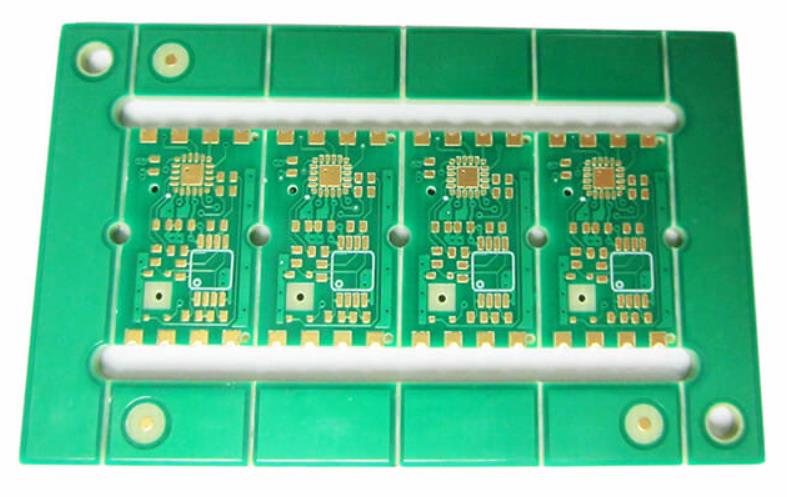
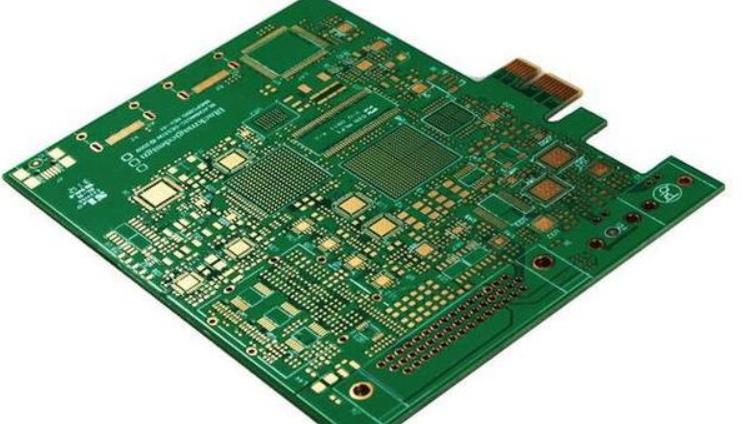
A thick copper PCB has copper weight exceeding 3 oz per layer, up to 20 oz, and is designed for high-current, high-thermal, and high-reliability environments. Compared with standard 1 oz or 2 oz boards, thick copper PCBs offer:
- High current carrying capacity
- Better heat dissipation and thermal stability
- Increased mechanical robustness
- Ideal for high-power electronics, power systems, and motor drives
Typical applications include: solar inverters, EV charging systems, high-power supply modules, industrial controllers, and military communication modules.
2. Manufacturing Process & Technical Challenges
Thick copper PCBs require more complex processes and higher costs due to the thick copper layers. Key steps include:
- Heavy Copper Etching: Thicker copper demands precise control to avoid over-etching and maintain fine traces.
- Multi-layer Lamination: Uneven pressure from thick copper requires multiple lamination cycles for structural stability.
- Special Surface Finishes: ENIG, OSP, or immersion tin improve corrosion resistance and solderability.
- High-Thermal Stress Testing: Ensures copper traces remain intact under high current surges.
3. Key Cost Drivers for Thick Copper PCBs
(1) Copper Weight
Higher copper weight increases material cost and manufacturing difficulty. Price benchmarks:
- 3 oz: $180 – $260 /m²
- 6 oz: $260 – $420 /m²
- 10 oz and above: $450 – $700 /m²
(2) Layer Count
Single-layer boards are most affordable; 2-layer, 4-layer, and multi-layer designs push costs higher.
(3) Material Type (FR-4 / High-Tg / Specialty)
High-Tg and thermally enhanced materials are common for thick copper PCBs and cost significantly more than standard FR-4.
(4) Manufacturing Complexity
Fine line/space, multiple laminations, special finishes (e.g., ENIG), and demanding PTH aspect ratios add to the price.
(5) Order Volume & Lead Time
Prototype and small-batch orders carry the highest per-unit cost; volume production reduces price considerably.
4. Real-World Price Ranges for Thick Copper PCBs
Reference pricing from GOPPCB (GOPCB):
| Copper Weight | Typical Application | Price Range (USD/m²) |
|---|---|---|
| 3 oz | Motor driver boards, controllers | $180 – $260 |
| 6 oz | High-power supply modules | $260 – $420 |
| 8–10 oz | Battery management systems (BMS) | $450 – $700 |
| >10 oz | Military, railway, heavy industrial | $700+ |
Prototype samples typically range from $80 to $150 per piece, depending on size and copper weight.
5. Supplier Price Comparison: China vs. US vs. Europe
China (e.g., GOPCB)
Average price: $180 – $450 /m². Strong cost advantage, capable of multi-layer heavy copper and specialty processes, with fast lead times (3–7 days).
United States
Average price: $400 – $850 /m². Meets local manufacturing certifications, longer production cycles.
Europe
Average price: $450 – $900 /m². High quality and strict industrial standards, but highest cost tier.
Overall, Chinese manufacturers — especially GOPCB — deliver the best balance of cost, technology, and speed for both prototyping and volume orders.
6. Expanded Application Scenarios
- High-power motor control: Servo drives, BLDC motors that handle high inrush currents.
- Automotive electronics: OBC, DCDC converters, BMS, and onboard charging modules.
- Renewable energy: Inverters, solar storage systems, battery array management.
- Industrial automation & power supplies: PLCs, power rectifiers, high-current contactors.
7. How to Reduce Thick Copper PCB Costs
- Select the appropriate copper weight — avoid over-specifying.
- Use step-down copper designs rather than full heavy copper layers.
- Standardize panel sizes and hole structures for better material utilization.
- Place larger orders to achieve cost reductions of 30% or more.
- Optimize trace width and spacing to ease etching and improve yield.
With design-for-manufacturing (DFM) support from GOPCB, you can significantly lower total project cost.
8. Why Choose GOPCB?
- Expertise in thick copper PCBs: 3 oz to 20 oz, multi-layer heavy copper, hybrid lamination, and ENIG on heavy copper.
- Robust high-current testing: Ensures no trace lifting or copper cracking under extreme surges.
- Transparent and competitive pricing: Volume pricing consistently among the best globally.
- Fast turnaround and engineering support: DFM optimization helps reduce your overall manufacturing costs.
9. Final Thoughts
Thick copper PCBs are foundational for any high-power, high-current, or high-reliability electronic design. By understanding the manufacturing processes, cost levers, and supplier capabilities, you can accurately budget and choose the best solution for your project. With companies like GOPCB, China’s manufacturing offers world-class competitiveness for everything from prototypes to mass production.
🔗 Explore Our Services:
More: SMT Assembly · Through-Hole · Mixed Technology · Flex PCB · PCB Design · Component Sourcing