Standard vs. Impedance Control PCB: Cost Comparison Guide
As electronic products continue to push toward higher speeds, the cost difference between standard PCBs and impedance-controlled PCBs has become a key concern for procurement and R&D engineers. Tighter impedance control demands more complex manufacturing, finer material selection, and higher costs. Understanding these differences helps companies budget effectively and avoid unnecessary expenses.
1. PCB Cost Overview
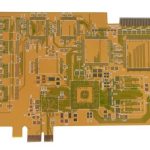
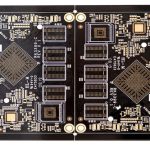
Standard PCBs follow conventional manufacturing processes with no strict signal transmission requirements. Impedance-controlled PCBs, however, must maintain specific characteristic impedance values (e.g., 50Ω, 90Ω, 100Ω), making them more demanding and costlier to produce.
2. What is a Standard PCB?
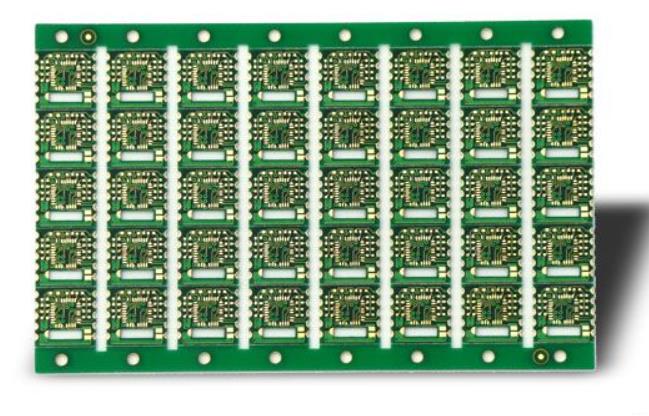
A standard PCB emphasizes functional connectivity without precise impedance control. Common applications include:
- Home appliances
- Low-speed consumer electronics
- LED lighting
Manufacturing processes are simple, and prices are relatively low.
3. What is an Impedance Control PCB?
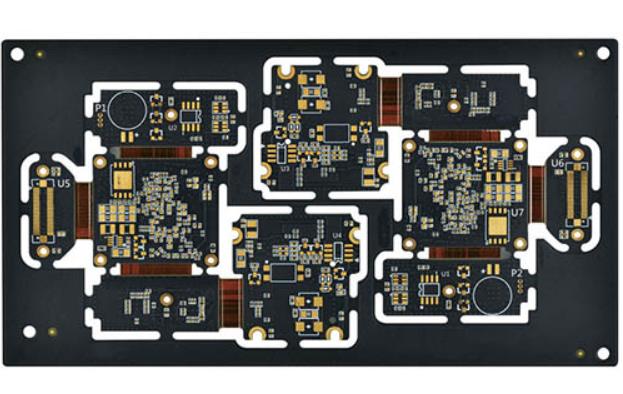
An impedance-controlled PCB ensures consistent characteristic impedance along signal traces, critical for:
- RF circuits
- 5G communication modules
- Automotive radar
- Industrial control systems
These applications demand high signal integrity.
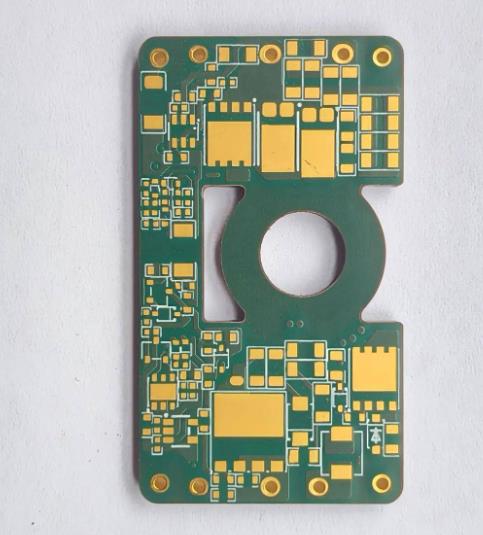
4. Standard PCB Cost Factors
- Layer count
- Material grade
- Surface finish
- Board size and quantity
Example: a 4-layer standard PCB typically costs $8–$15 per board.
5. Impedance Control PCB Cost Drivers
- High-frequency materials: +$5–$12/board
- Strict dielectric thickness control: +$3–$7/board
- Engineering verification: +$2–$5/board
- Impedance simulation & stack-up: +$1–$3/board
Impedance-controlled boards typically cost $10–$25 more per board than standard PCBs.
6. Typical Price Comparison
| Type | Price per board (USD) |
|---|---|
| 4-layer Standard PCB | $8 – $15 |
| 4-layer Impedance Control PCB | $15 – $35 |
| Small-batch RF board | $30 – $50+ |
Higher complexity leads to larger price gaps.
7. Material Impact on Price
- Standard FR-4: +$0.50–$1.00
- Rogers 4003C: +$3–$8
- Rogers 4350B: +$5–$12
Better dielectric constant consistency costs more.
8. Stack-Up & Cost
- Dielectric thickness spacing
- Copper weight matching
- Prepreg composition
Additional lamination cycles can add $10–$20 per panel.
9. Manufacturing Complexity
- TDR impedance testing: +$1–$2/board
- Differential pair testing: +$3–$6/board
- Additional engineering tuning: +$5–$10 per project
10. Impedance Tolerance & Yield
Tighter tolerances (±5%) lead to:
- Lower yield: +$2–$8/board
- Adjustment costs: +$3–$10/batch
- Scrap compensation: +$5–$12/board
Stricter tolerance = higher manufacturing risk.
11. Application-Driven Cost Choice
- Standard PCB suitable for <100MHz low-speed devices: $8–$12/board
- Impedance control PCB for USB 3.0 / HDMI / PCIe: $18–$40/board
- High-frequency radar modules can reach $40–$60/board
12. How to Reduce Impedance Control PCB Cost
- Relax tolerance (±5% → ±10% saves $3–$6/board)
- Optimize material (R4350B → R4003C saves $4–$7/board)
- Simplify routing to reduce layers (saves $5–$10/board)
- Volume orders save $2–$3/board
Partnering with an experienced supplier like GoPCB avoids rework and hidden costs. Explore GoPCB’s design & layout services →
13. Supplier Selection Advice
A reliable supplier should provide:
- TDR test reports
- Stack-up simulation
- Engineering review support
- Access to high-frequency materials
GoPCB excels in impedance control, Rogers stack-ups, and fast prototyping for global customers. Learn about GoPCB’s manufacturing capabilities →
14. Pros & Cons Summary
- Standard PCB – Low cost, short lead time, mature process; but not suitable for high-speed applications.
- Impedance Control PCB – Better signal integrity, reduced crosstalk/reflection, supports high-speed interfaces; but higher cost and longer engineering cycle.
15. Conclusion
Standard PCBs are ideal for applications with low signal integrity requirements. Impedance-controlled PCBs are essential for high-speed digital, RF communications, servers, automotive radar, and other advanced scenarios. GoPCB offers impedance-controlled PCBs starting from around $15/board for medium-volume orders.
16. FAQ
- Q1: Are impedance-controlled PCBs mandatory for all high-speed devices?
A1: Not always, but interfaces like USB, PCIe, and HDMI are highly sensitive to characteristic impedance. - Q2: Does tighter tolerance always cost more?
A2: Yes, tighter tolerance reduces yield and increases cost. - Q3: Which industries most commonly use impedance-controlled PCBs?
A3: Aerospace, telecommunications, automotive, servers, and data centers.
⚡ Contact GoPCB for your impedance-controlled PCB project — high-speed, reliable, and cost-effective.
GoPCB Home · Prototype Assembly · Low-volume Assembly · High-volume Production