Smartphone vs. Tablet PCB: Key Differences Explained
In modern portable electronics, the PCB is the critical hardware that ensures stable performance, efficient power delivery, and reliable wireless connectivity. As consumer expectations rise, understanding the differences between smartphone PCBs and tablet PCBs is essential for OEM procurement engineers, hardware designers, and EMS supply chain professionals.
1. Introduction to PCBs in Mobile Devices
The PCB is the backbone of mobile smart devices, connecting processors, sensors, camera chips, wireless modules, and power management units. Both smartphones and tablets use multilayer PCB structures, but their design constraints and engineering requirements differ significantly.
2. What is a Smartphone PCB?
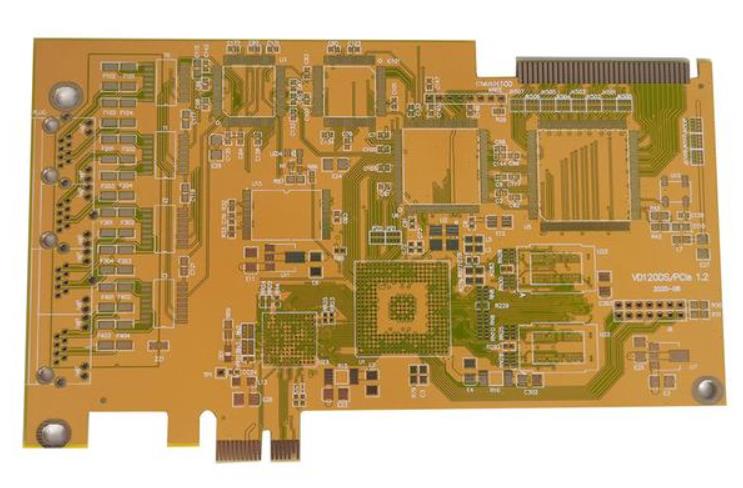
A smartphone PCB is typically compact and high-density, supporting:
- RF radio communication
- High-performance CPUs
- Power management ICs (PMIC)
- USB Type-C charging circuits
- Multi-camera control modules
Smartphone PCBs commonly use HDI (high-density interconnect) technology and rigid-flex boards to save internal space. Typical pricing: $3.80–$9.50 per board (depending on layer count, complexity, and volume).
3. What is a Tablet PCB?
Tablet PCBs feature:
- More spacious layout
- Lower component placement pressure
- Larger thermal dissipation area
Tablet PCB pricing generally ranges from $5.50–$12.80 per board (depending on copper weight, material, and batch size).
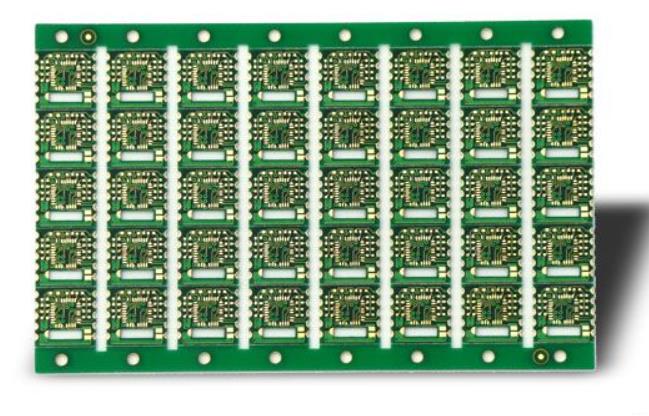
4. Size & Form Factor Differences
- Smartphone PCBs are smaller, irregularly shaped, often with 6–12 layer stacks.
- Tablet PCBs are more regular, typically using 4–8 layer structures.
5. Component Integration & Density
- Smartphones – tight integration of 5G antennas, multi-camera modules, NFC coils.
- Tablets – wider trace spacing, lower EMI, easier rework and soldering.
6. Power Management & Battery Circuits
- Smartphones require complex power optimization for small batteries and high-performance SoCs.
- Tablets benefit from larger batteries, reducing PMIC stress and improving stability.
7. Thermal Design
- Smartphone PCBs rely on copper foil layers, vapor chambers, and graphite sheets.
- Tablets have more space for heat dissipation, enabling better sustained performance under heavy loads.
8. Signal Integrity & High-Speed Routing
- Smartphone PCBs route 5G RF links, Wi-Fi, GPS, and Bluetooth.
- Tablets have more room for signal isolation, lowering EMI risk.
9. Material Selection & Reliability
- Common materials: FR4 TG150–TG170, polyimide flex layers, low-loss high-frequency laminates.
- Smartphones rely more on rigid-flex designs for structural needs.
10. Manufacturing & Assembly Cost Comparison
- Smartphone PCBs cost more due to laser microvias, HDI stacks, and dense BGA pads. HDI adds ~$1.20–$2.80 extra.
- Tablet PCBs are less expensive to assemble due to larger pitch components.
11. Repairability & Fault Diagnosis
- Smartphones – micro-pitch components, underfill, fine BGA pads make repair difficult.
- Tablets – larger spacing reduces repair costs by 20–35%.
12. Common Failure Modes
- Smartphones – power shorts, PMIC overheating, microvia cracks.
- Tablets – charging protection faults, display connector issues, battery MOSFET damage.
13. Market Trends
- AI-assisted power control circuits
- Embedded antenna technology
- Low-loss materials for 5G/6GHz
- Thinner PCBs for smartphones continue to gain momentum
14. How to Choose the Right PCB Supplier (Recommended: GoPCB)
When sourcing, consider:
- IPC Class 2 / Class 3 quality standards
- HDI stack-up capability
- Laser microvia precision
- Quick-turn prototyping speed
- Environmental certifications (RoHS, REACH)
GoPCB, a professional PCB manufacturer, offers:
- Smartphone HDI boards from $4.80/board (500+ MOQ)
- Tablet mainboards from $6.90/board (500+ MOQ)
- 24-hour quick-turn prototypes
- Up to 10-layer rigid-flex
- Free DFM engineering review
GoPCB’s pricing and capabilities are competitive globally, ideal for OEM volume production. Explore GoPCB’s manufacturing capabilities → · Prototype assembly
15. Conclusion
- Smartphone PCBs emphasize high-density integration, thermal management, and RF layout optimization.
- Tablet PCBs prioritize repairability, thermal stability, and cost-performance balance.
Choosing the right PCB type based on the application is key to balancing performance and budget.
16. FAQ
- Q1: Why are smartphone PCBs more expensive?
A1: They require higher-density HDI technology and microvia processing. - Q2: Do tablets use flex PCBs?
A2: Yes, particularly for display interconnects. - Q3: Does 5G affect PCB cost?
A3: Yes, typically adding $0.80–$1.50 in material cost. - Q4: Which is easier to repair?
A4: Tablet PCBs are generally 20–30% less expensive to repair.
📱 Contact GoPCB for your smartphone or tablet PCB project — high-density, reliable, and cost-optimized.
GoPCB Home · Turnkey Assembly · SMT Assembly · Component Procurement