FPC vs PCB: Key Differences You Should Know
Flexible printed circuits and rigid PCBs are both important carriers for electronic circuits, but they are designed for very different situations. Although each one connects components and transmits signals, the two technologies differ in material, structure, mechanical performance, manufacturing process, application, and cost. Understanding FPC vs PCB differences helps engineers choose the right board before starting layout and procurement.
Material and Structure Differences
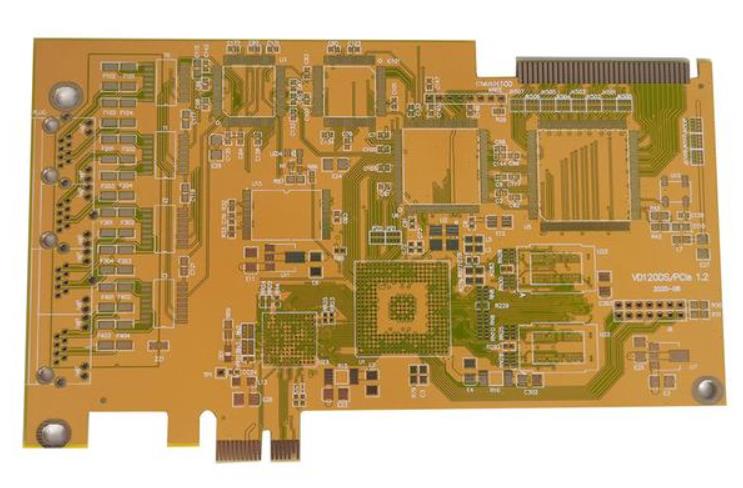
A rigid PCB is built around stiff base materials, usually glass fiber reinforced epoxy, with ceramic or metal-core alternatives for special applications. The copper traces and insulation layers are laminated into a strong, fixed structure that resists bending. An FPC uses flexible films such as polyimide or polyester, which allow the circuit to bend, fold, and twist while maintaining stable electrical connections.
Mechanical Performance and Shape Flexibility
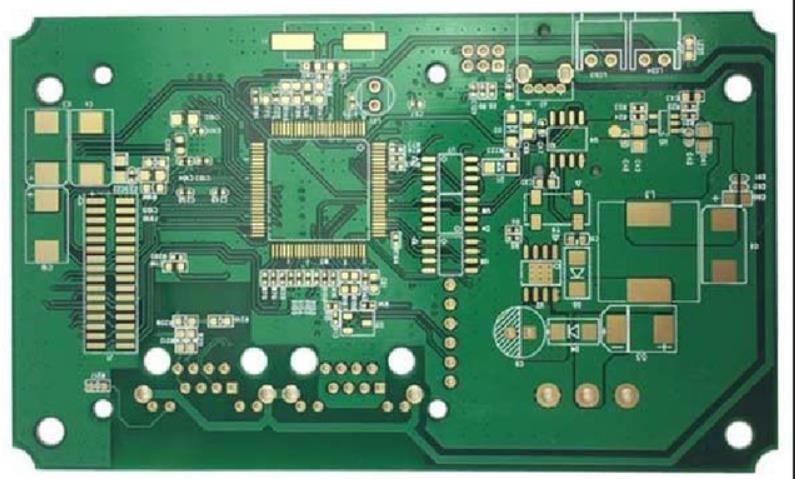
Rigid PCBs offer high mechanical strength, dimensional stability, and good impact resistance in fixed installations such as computer motherboards and industrial control systems. Flexible circuits are thin, lightweight, and can fit into compact spaces or move with mechanical parts. FPC boards generally need stiffeners when they must support a connector or remain flat during assembly.<
/p>
Manufacturing Process Differences
Rigid PCB production commonly uses mechanical drilling, precise lamination, and standard surface finishes such as HASL, ENIG, or OSP. Flexible circuit manufacturing demands tighter control during etching and uses laser drilling for small holes in thin material. Coverlay lamination is used to protect the copper traces and preserve flexibility, and the lamination process must avoid stress concentrations that could damage the film.
Typical Applications of Each Technology
Rigid boards remain the practical choice for high-layer-count motherboards, communication base stations, industrial equipment, and other fixed systems. FPCs are widely used in smartphone display cables, laptop keyboard connections, smartwatch internal wiring, automotive dashboard connections, and wearable medical devices. For products that need both strength and flexibility, engineers often combine rigid and flexible sections into a single rigid-flex design.
Cost, Repair, and Long-Term Use
Rigid PCBs are generally more economical in volume because mature processes and material supply are widely available, and their rigid structure makes testing and repair easier. FPCs are usually more expensive to manufacture because flexible materials and special handling increase cost, especially for fine-line or multilayer flexible designs. Once damaged, flexible circuits are harder to repair and may require full replacement.
How to Choose Between FPC and PCB
Start by defining the mechanical environment of the final product. If the board will stay flat and carry dense circuitry, a rigid PCB is usually simpler and more cost-effective. If the design needs to fold, move, or fit into a narrow enclosure, an FPC is often the better solution. For products that combine both requirements, discuss a rigid-flex structure with PCB design services during the early DFM stage.<
/p>
When you are ready to manufacture, gopcb supports rigid PCB production through PCB manufacturing, flexible board assembly through flex PCB assembly, and rigid-flex or mixed projects through mixed-technology PCB assembly.