Multilayer PCB Prototype Cost: Price Factors and Budget Guide
Multilayer PCB prototyping is a critical step between circuit design and mass production. For R&D teams and smaller companies, the cost of a prototype directly affects project budgets and the number of design iterations that can be completed. The final multilayer PCB prototype cost is not a fixed number; it depends on materials, layer count, board complexity, surface finish, quantity, and delivery requirements.
Material Choice Affects Prototype Price
Base material is one of the largest cost drivers. Standard FR-4 is economical and suitable for most general-purpose boards, while high-frequency substrates such as Rogers materials are needed for 5G and high-speed applications and cost significantly more. Copper foil thickness also changes the price, because heavy copper increases material usage and process difficulty. Solder mask and legend inks add smaller but still meaningful costs.
Layer Count Determines Process Complexity
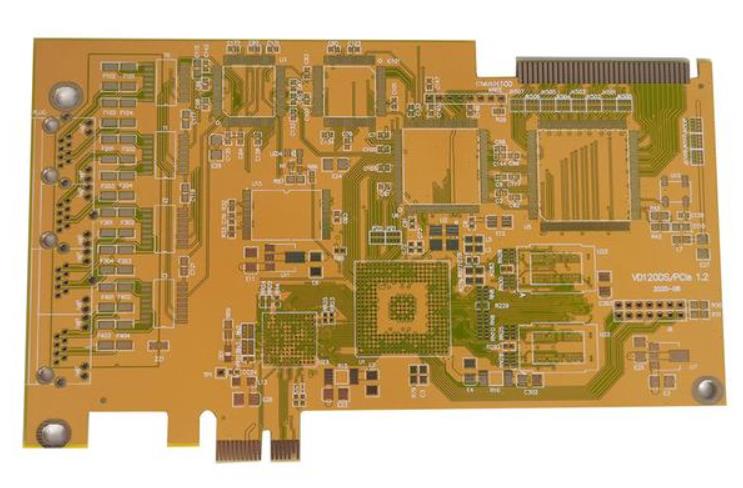
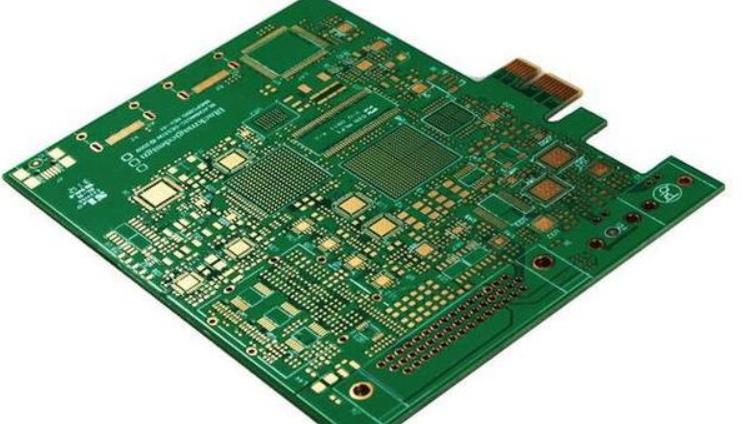
Layer count is the most direct factor in a multilayer PCB prototype price. A four-layer board already requires inner-layer imaging, lamination, and registration control, and every additional pair of layers increases tooling, material, and production time. A six-layer board is more expensive than a four-layer design because alignment tolerance becomes tighter and more material is consumed.<
/p>
Design Complexity Raises Manufacturing Cost
Dense routing, fine trace widths, small vias, and unusual board shapes increase cost. Dense layouts require higher-resolution equipment and may need extra signal-integrity checks. Small holes demand more precise drilling and faster drill wear. Special shapes and slots require custom tooling and slower routing, which raises both setup cost and processing time.
Special Processes and Surface Finish
Surface finish has a clear effect on price. HASL is a lower-cost finish suitable for general soldering, while ENIG provides flatter pads and stronger oxidation resistance for premium products. Blind or buried vias, controlled impedance, high-frequency laminates, and very fine line-and-space geometries add cost because each process needs advanced equipment, tighter controls, and more testing.
Quantity, Delivery, and Prototype Unit Price
Small quantities spread fixed costs such as engineering review, tooling, and setup across fewer boards, so unit price is higher. Increasing order quantity reduces the per-board share of fixed costs. Urgent delivery has the opposite effect: a fast-turn factory must prioritize the order, adjust schedules, and sometimes add staff or equipment time, which is why expedited prototyping carries a premium.
Practical Ways to Control Multilayer PCB Prototype Cost
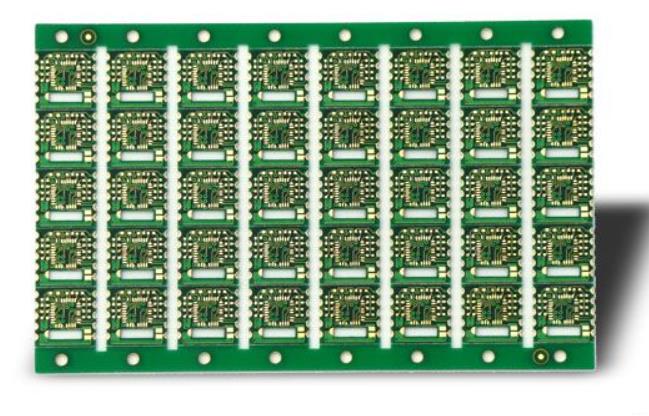
Before ordering, consolidate design files and review manufacturability with the supplier. Use standard materials, panel-friendly dimensions, and reasonable minimum trace and hole specifications whenever possible. Combining multiple small designs on one panel, choosing an appropriate surface finish, and allowing a slightly longer lead time can reduce total cost while still validating performance. Sharing detailed notes with PCB DFM and design services also reduces the chance of an expensive second iteration.<
/p>
At gopcb, we provide transparent PCB manufacturing quotations for multilayer prototypes, plus prototype PCB assembly and low-volume PCB assembly to support the next step of your project with the same engineering team.