high frequency hybrid PCB: Materials, Applications & Benefits | gopcb
As 5G networks expand, automotive radar systems mature, and IoT devices multiply, electronic systems require faster signal transmission with lower loss. A high-frequency hybrid PCB answers this demand by combining different dielectric materials on one board, allowing designers to balance electrical performance, thermal behavior, and cost within a single product.
What Is a High-Frequency Hybrid PCB?
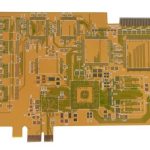
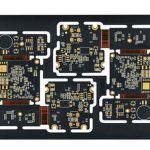
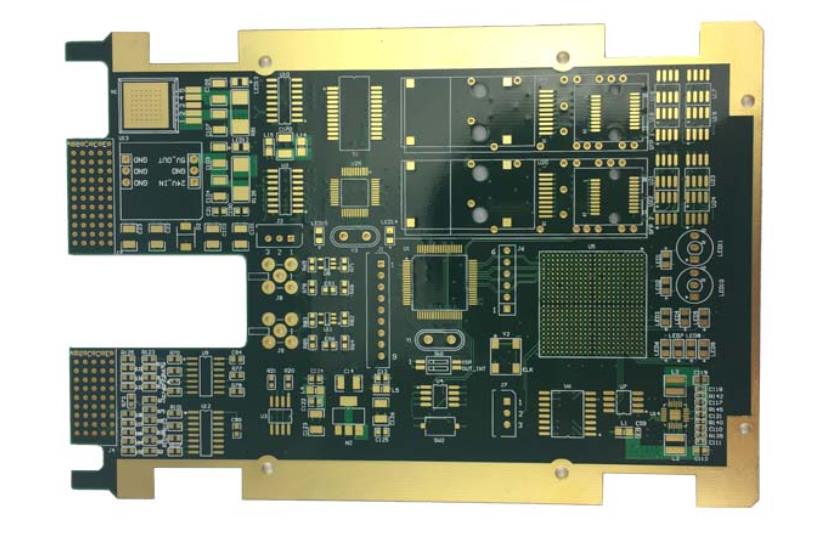
A hybrid PCB uses low-loss high-frequency laminates such as Rogers RO4350B in critical RF areas and combines them with conventional FR-4 in areas where extreme high-frequency performance is not needed. This mixed-dielectric construction reduces signal loss and improves impedance stability while keeping the overall board more economical than a design made entirely from premium RF material.
Material Selection for Mixed Dielectric Boards
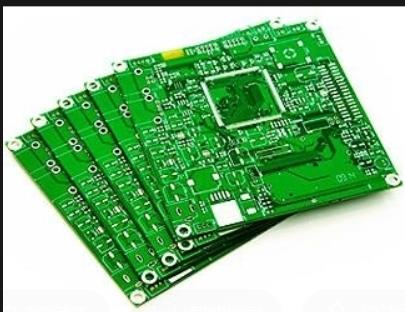
High-frequency materials are chosen for low dielectric constant and low dissipation factor. A lower dielectric constant lets signals travel faster, while lower dissipation reduces energy loss and preserves signal quality. In power and low-frequency regions, FR-4 offers good mechanical strength at lower cost. The stackup and transition between materials must be designed carefully, which is why RF PCB layout support is valuable before tooling.<
/p>
Signal Performance and Thermal Management
High-frequency hybrid boards minimize attenuation, reflection, and crosstalk in sensitive RF circuits. They also handle heat more predictably because many high-frequency materials retain stable electrical properties at elevated temperatures. Careful stackup and thermal design help power components dissipate heat and prevent performance drift in compact systems.
Integration and Miniaturization
Because multiple functions can be placed on one hybrid board, the product becomes smaller and easier to assemble. High-density routing and multilayer structures let communication, computation, and power functions share one substrate, which is especially useful in smartphones, modules, and other space-constrained products.
Applications in 5G, Automotive, and Satellite Systems
High-frequency hybrid PCBs are found in 5G base stations and user equipment, automotive radar and autonomous driving controllers, satellite communication payloads, avionics, and IoT wireless modules. These applications require stable performance under temperature change, vibration, and high-frequency switching, so the material combination and process quality must be controlled from prototype to production.
Manufacturing Challenges and Future Development
Hybrid PCB fabrication requires precise lamination, controlled impedance, and reliable registration between different materials. The manufacturer must manage material behavior during drilling, plating, and surface finish so the final board meets both RF and mechanical specifications. Better materials, improved process control, and new design tools continue to expand the range of hybrid board applications.<
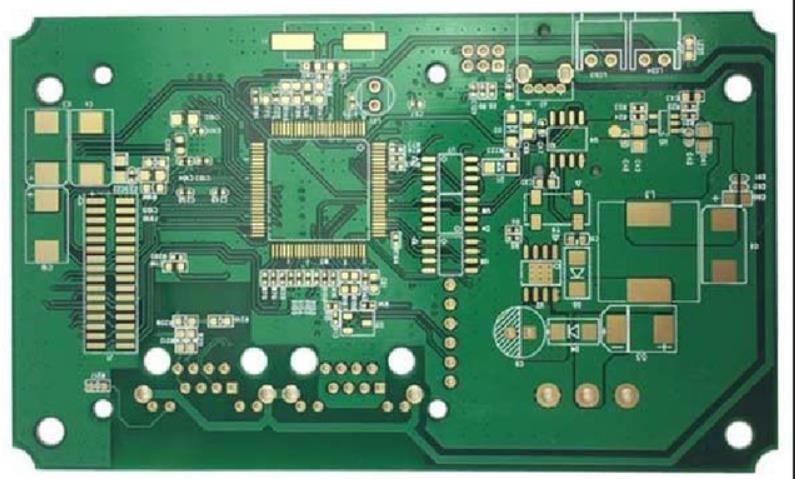
/p>
For RF, microwave, and high-speed designs, choose a manufacturer experienced in mixed-dielectric construction. gopcb offers high-frequency PCB manufacturing with controlled impedance testing, plus SMT PCB assembly and prototype PCB assembly for a complete transition from design validation to volume production.