Industrial Data Acquisition PCB Guide: Design and Manufacturing Essentials
Industrial automation depends on accurate, reliable data collection. An industrial data acquisition PCB sits at the edge of that system, converting physical signals from sensors into stable digital information that controllers and monitoring software can use. Although the board itself does not analyze data, its material, layout, and construction decide how accurately signals survive in a noisy factory environment.
Base Materials Built for Factory Environments
A data acquisition board used on the plant floor must tolerate vibration, heat, humidity, and corrosive contaminants. Most designs use modified FR-4 materials with stronger mechanical and thermal performance. The woven glass fiber structure keeps the board dimensionally stable under long-term vibration and frequent temperature changes, protecting both the copper traces and mounted components.
Anti-Interference Circuit Layout
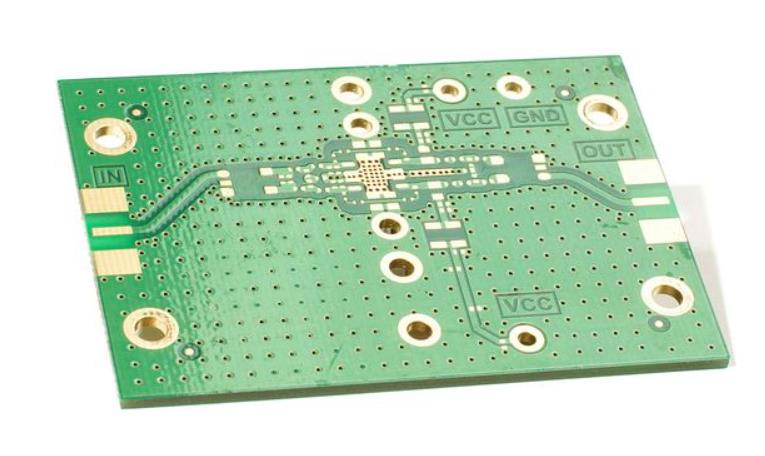
Industrial sites contain motors, inverters, and other electrical noise sources. Signal traces on the acquisition board should be planned to minimize coupling from power lines and digital switching. Analog and digital sections are usually separated, ground planes are kept continuous, and filtering is placed close to sensitive inputs so the board captures clean signals for downstream processing.<
/p>
Precision Edges, Mounting Holes, and Connectors
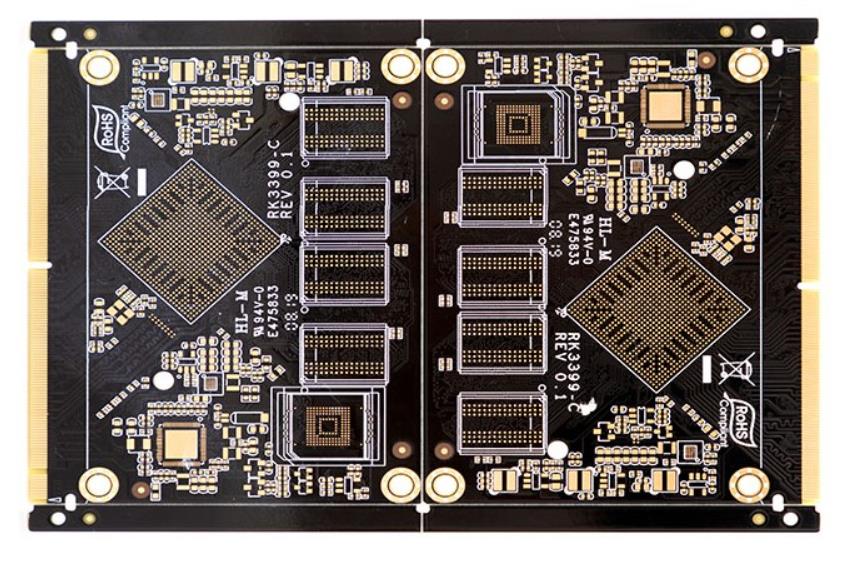
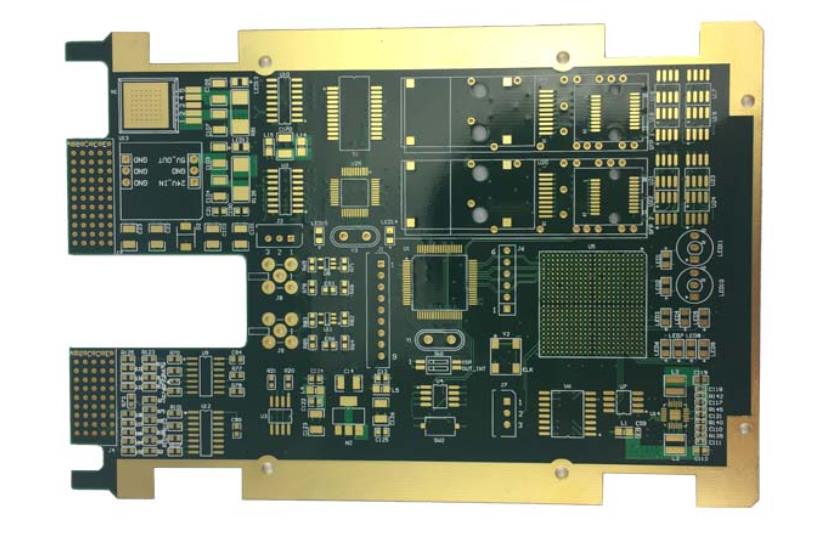
High-speed CNC routing produces smooth board edges and accurate mounting holes, allowing secure installation inside industrial enclosures. The board provides connector footprints for circular, rectangular, and terminal-style industrial connectors, as well as test points that make field diagnosis easier. These mechanical details are just as important as the electrical design in harsh environments.
Protective Coating and Surface Finish
Oil, dust, and moisture can shorten the life of a data acquisition board. A thicker solder mask and selective conformal coating protect the surface, while pads use finishes such as ENIG or nickel plating for stable soldering and repeated connector contact. These treatments help the board maintain electrical performance after years of exposure and maintenance cycles.
Expandability and Thermal Design
Many acquisition boards include additional interface positions for future sensor modules or communication options. Thermal areas may be included where power components generate heat, allowing the board to run accurately in warm cabinets. Planning for expansion during the initial layout avoids a complete board redesign when a new I/O channel is needed.
Manufacturing a Reliable Industrial Board
Successful industrial data acquisition boards come from a combination of application-aware design and disciplined manufacturing. Every process step, from material selection and etching to surface finish and testing, should be validated for the temperature range and vibration environment of the final product. For design questions, PCB DFM and layout support can catch routing and stackup issues before production.<
/p>
gopcb provides industrial PCB manufacturing with controlled processes, plus SMT PCB assembly and low-volume PCB assembly for industrial products moving from prototype to field deployment.