Automotive HDI PCB Applications: Design, Materials and Manufacturing
A automotive HDI PCB is a high density interconnect board designed to support the electrical systems that make modern vehicles intelligent, connected, and safe. Vehicle electronics now handle sensor fusion, real-time driver assistance, digital cockpits, electric powertrains, and high-speed communication between dozens of electronic control units. These systems need a circuit board that can carry many signals in a small space without compromising electrical stability or thermal performance. The automotive HDI PCB has become the practical answer because its microvia construction increases routing density while improving signal quality and electromagnetic behavior.
HDI stands for high density interconnect. An automotive HDI PCB uses micro blind vias, buried vias, and fine trace widths to connect multiple layers more efficiently than a conventional through-hole board. Automakers and electronics suppliers choose this technology when they need a compact, high performance board that can operate in the demanding conditions found inside a vehicle. This guide explains where automotive HDI PCBs are used, how they are made, which materials matter, and what buyers should check before starting production.
What Is an Automotive HDI PCB?
An automotive HDI PCB is a multilayer printed circuit board that relies on high density interconnect technology instead of ordinary plated through-hole vias for every connection. The core difference is the use of micro blind vias and buried vias, which create short vertical connections between selected layers. These microvias allow more traces to fit on each layer, reduce parasitic effects, and free up surface area for components.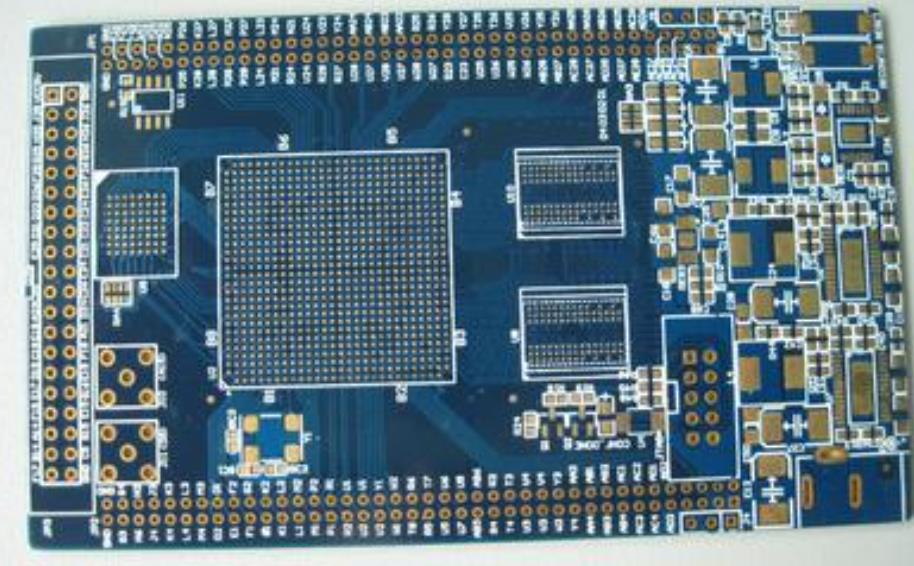
HDI boards may be built with one lamination cycle, which is usually called a one-step HDI structure, or with two or more build-up cycles for more complex designs. Higher-order automotive HDI PCBs can combine stacked vias, laser-drilled holes, and precision plating to support the dense circuitry found in advanced driver assistance systems and autonomous driving platforms. The result is a board with better routing capacity, smaller size, and more predictable electrical performance than many older designs.
Why Automotive Designs Use HDI Instead of Conventional PCBs
Vehicle electronics have changed from a small number of independent modules into an integrated network that must share data constantly. A conventional PCB can still be the right choice for simple power or interface boards, but complex functions usually benefit from HDI construction. Higher wiring density means the design team can place more functions on a smaller panel, which reduces module size and often lowers the total cost of the enclosure and harness.
Signal integrity is another reason automotive engineers select HDI. Shorter vertical paths and controlled impedance help data arrive with less noise and less delay. This matters for cameras, radar, lidar, and communication modules that feed time-sensitive information into a central processor. The improved electromagnetic behavior of a well-designed automotive HDI PCB also helps the vehicle resist interference from motors, ignition systems, and high-voltage power electronics.
Thermal management is equally important. Automotive systems run in hot environments, and some HDI materials and copper structures are selected to spread heat away from high-power components. When the board design is paired with the right PCB manufacturing process, the completed module can maintain stable performance under continuous vibration, wide temperature swings, and electrical load changes.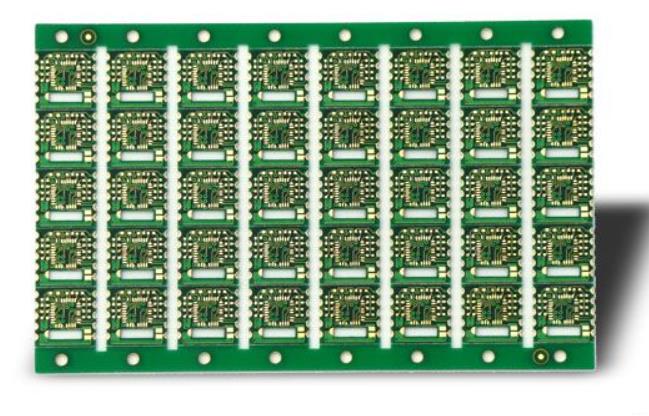
Automotive HDI PCB Applications in ADAS and Autonomous Driving
ADAS is one of the strongest growth areas for automotive HDI PCB technology. A modern vehicle may use multiple cameras, forward and corner radars, ultrasonic sensors, and a central domain controller to interpret the environment around the car. Every sensor sends large amounts of data to the processor, and a short delay or corrupted signal can affect braking, steering, or warning decisions.
The compact routing of HDI makes it possible to build camera modules that fit behind the windshield, in side mirrors, or inside compact sensor housings. The same board can carry image sensor signals, power, and communication lines without consuming excessive area. In a radar module, the antenna structure and processing circuitry often need very tight tolerances, which is easier to achieve when microvia layers are planned carefully during PCB design and layout.
An automotive HDI PCB supports the real-time data path used by adaptive cruise control, automatic emergency braking, lane departure prevention, and traffic sign recognition. The board must maintain stable impedance under temperature changes and resist EMI from nearby systems. Suppliers that validate the complete stackup and test the finished board can identify signal integrity problems before the module goes into mass production.
Automotive HDI PCB Applications in Digital Cockpits and Infotainment
Consumers expect large displays, wireless phone integration, navigation, and high-definition entertainment inside the cabin. These features put pressure on the vehicle architecture because each function needs high-speed data, audio, and power connections. HDI construction helps designers integrate display controllers, touch interfaces, audio processors, and communication modules in a compact main unit or cockpit domain controller.
High density routing also supports smooth video and audio. A well-built automotive HDI PCB can keep high-speed differential pairs short and consistent, which reduces the risk of dropped frames or interference in display links. The compact board can be placed behind the display or under the center console, giving automakers more freedom to improve interior layout while reducing weight and assembly complexity.
Powertrain and Engine Control Units
Powertrain electronics often operate near heat sources, and some engine control modules are exposed to temperatures well above the conditions found in a passenger cabin. An automotive HDI PCB for this application must use materials with high thermal endurance and stable insulation behavior. The source article notes that a board used in an engine bay may need to continue functioning reliably around 120 degrees Celsius while carrying control signals to fuel injectors, ignition coils, and sensors.
The key advantage of HDI in powertrain electronics is not only density but also the ability to place critical components close together. Shorter traces reduce delay and help the controller respond quickly to changing engine conditions. This supports more precise fuel metering, cleaner combustion, and better efficiency over the life of the vehicle.
Key Materials for Automotive HDI PCBs
Material selection is one of the most important decisions in an automotive HDI PCB project. Polyimide is widely used because it provides strong heat resistance and stable electrical insulation, which helps the board survive repeated thermal cycles. Ceramic-based or low-loss materials may be specified when the design needs a lower dielectric constant and reduced signal attenuation at high frequencies.
The base laminate must also be compatible with laser drilling, copper plating, and multiple lamination cycles. High-Tg FR-4 can be used for many automotive HDI boards, while high-frequency and high-reliability applications may require PTFE, hydrocarbon ceramic, or other specialty materials. The engineering team should evaluate the operating temperature, frequency, moisture exposure, and mechanical stress before choosing a material system.
Surface finish and solder mask also affect reliability. ENIG, immersion silver, and other finishes are selected based on the assembly process, expected shelf life, and the environment where the module will be installed. A dependable automotive HDI PCB manufacturer documents material lots and keeps consistent process parameters so the performance does not change from one batch to the next.
Manufacturing Processes for Automotive HDI PCBs
Automotive HDI PCB manufacturing begins with layer preparation and precise registration. Because HDI boards use several thin layers, each layer must be aligned carefully before lamination. Laser drilling is then used to create microvias, often with diameters smaller than 100 micrometers, which would be difficult to achieve with standard mechanical drilling.
After laser drilling, the microvias are cleaned and plated with copper so that they connect the correct layers with low resistance. Blind vias, buried vias, and stacked via structures require controlled plating thickness and careful process monitoring. Repeated lamination cycles build the final stackup, and each cycle increases the opportunity for dimensional movement, so the factory must control temperature, pressure, and material shrinkage throughout production.
Electrical testing is a critical final step. An automotive HDI PCB should be tested for opens, shorts, impedance, and basic high-speed behavior before components are assembled. Some manufacturers also perform microsection analysis to inspect via walls and copper thickness. This information gives customers confidence that the board will survive the demanding environment of a vehicle.
Reliability and Testing in Vehicle Applications
Automotive electronics have stricter reliability requirements than many consumer products because a failure can affect safety. The supplier should verify that the automotive HDI PCB can withstand thermal cycling, vibration, humidity, and the electrical surges common in a vehicle power system. Thermal stress testing helps reveal weak barrel connections or material separation that might not appear in a simple electrical test.
Design reviews are just as important as factory testing. Early stackup analysis, impedance planning, and DFM checks can prevent expensive changes after the board has been ordered. A good partner reviews the design against the capabilities of the production line and recommends adjustments to via size, copper distribution, and layer count before fabrication begins.
Cost, Lead Time and Choosing a Supplier
Automotive HDI PCB cost depends on layer count, via structure, materials, copper weight, surface finish, and production volume. Simple one-step HDI boards with standard FR-4 are more affordable, while higher-order HDI, high-frequency materials, and extensive testing add cost. Automotive customers should compare quotes based on the complete specification instead of price per square meter alone.
Lead time is another factor. Prototype orders should move quickly so the design can be validated before tooling is committed. During development, engineers often work with a prototype PCB assembly service to check the board with real components before the design moves to higher-volume vehicle programs.
The most efficient approach for many automotive programs is a turnkey PCB assembly relationship that combines board fabrication, component sourcing, assembly, and testing under one team. This reduces the number of handoffs and gives engineers a single point of contact for quality issues. Component procurement is especially important in automotive work because qualified electronic components can have long lead times and strict traceability requirements.
Conclusion
The automotive HDI PCB has moved from a specialty technology to a mainstream building block for modern vehicle electronics. It supports advanced safety systems, connected cabins, electric powertrains, and the increasing number of sensors and processors installed in today’s cars. HDI boards deliver the routing density and signal performance needed for these functions while helping manufacturers save space and weight.
Success depends on more than choosing an HDI board type. The design must use suitable materials, controlled impedance, and realistic tolerances. The manufacturer must control drilling, plating, lamination, and testing with consistent quality. By working with an experienced supplier and reviewing the full specification before production, automotive engineers can obtain reliable automotive HDI PCBs that perform well from the first prototype through high-volume manufacturing.