Smart Watch PCB Cost Guide: Price Factors and Budget Tips
Smart watch PCB cost is one of the first questions wearable brands, OEM developers, and IoT engineers ask, and for good reason: the board sits at the center of a highly competitive product where a few cents per unit decides the margin. Smart watches push circuit board technology to its limits with tiny enclosures, curved shapes, multiple sensors, wireless radios, and long battery life, all at consumer prices. This guide explains what a smart watch PCB is, the realistic price ranges, every factor that moves the cost, assembly and testing charges, regional differences, and practical ways to reduce spending without sacrificing quality.
What Is a Smart Watch PCB?
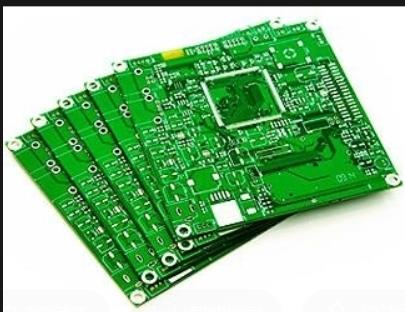
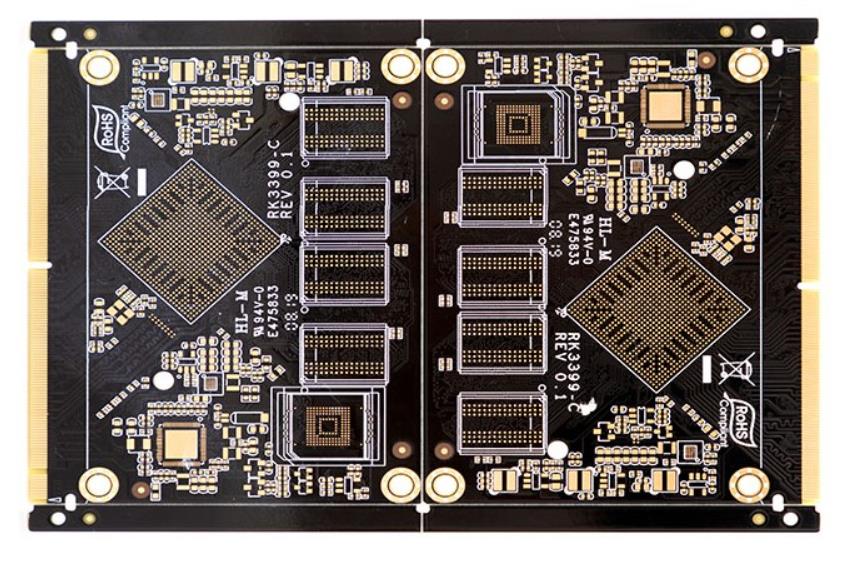
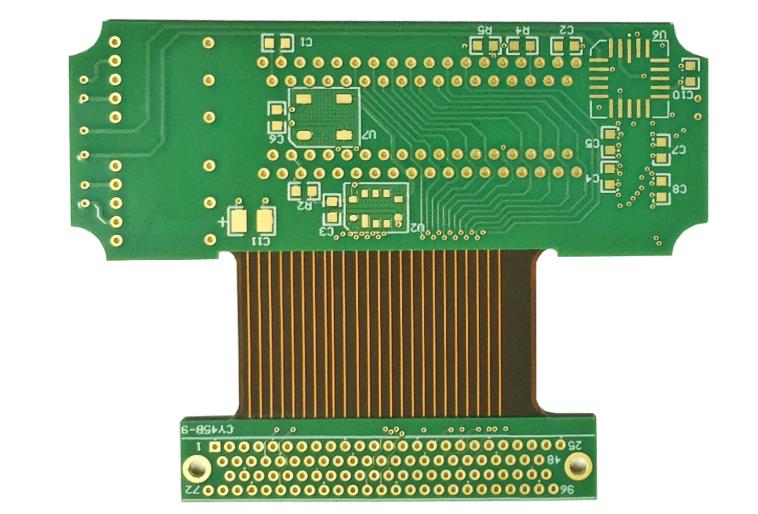
A smart watch PCB is an ultra-compact, lightweight circuit board that connects the processor, battery, vibration motor, display, sensors, and wireless modules inside a wearable device. Because the enclosure is small and curved, the board is often built as a flexible circuit or a rigid-flex design that bends around the battery and case. Typical features include thin copper, high-density interconnect technology, and precise impedance control for the radio and display signals. The board must survive constant movement, sweat, and temperature changes, which makes both the materials and the manufacturing process more demanding than the average consumer board.
Smart Watch PCB Price Ranges
Prices vary widely with complexity, and it helps to see the full ladder before comparing quotes. A basic rigid PCB with two layers costs roughly 0.8 to 1.5 dollars per board in production. A two-layer flexible PCB typically runs 1.8 to 2.8 dollars per board. A rigid-flex PCB built with HDI technology, the construction used by most modern smart watches, generally costs 6.5 to 9.8 dollars per board. Prototype batches are quoted differently, usually 25 to 60 dollars for a small run of boards, because tooling and setup dominate. As a benchmark, a basic wearable design in volume can start around 1.1 dollars per board at a five-hundred-piece order, with the price dropping further as quantities grow.
Key Factors That Drive Smart Watch PCB Cost
Several design decisions move the price more than anything else, and knowing them helps you target the specification to your real needs.
Material and thickness. Premium polyimide films for flex circuits cost more than standard laminates, and boards thinner than 0.6 millimeters are harder to handle, which raises both material and yield costs.
Layer count. More layers mean more processes and lower yields. Two-layer boards are the cheapest, four layers add roughly 30 percent, and six-layer HDI stackups can add 55 to 80 percent over a simple two-layer design.
Board shape. Round or irregular outlines waste panel space and need special routing or scoring, so a non-rectangular watch board costs more than a rectangular one of the same area.
Rigid-flex construction. Combining rigid and flexible sections requires careful lamination and registration, which is why rigid-flex boards typically cost 200 to 300 percent more than standard rigid boards.
HDI and fine-pitch routing. Laser micro-vias and fine-pitch BGA breakout add capability but also add roughly 0.5 to 1.2 dollars per board.
Surface finish. ENIG is the standard choice for wearable contacts and corrosion resistance, adding about 0.15 to 0.30 dollars per board over plain HASL.
Manufacturing Technology and Complexity
Advanced wearable boards rely on processes that ordinary fabs may not offer. Laser drilling creates the micro-vias that connect layers in a tiny footprint, embedded copper helps spread heat from the processor and charging coil, and high-precision impedance control keeps the Bluetooth and display signals clean. Each of these capabilities increases the manufacturing cost by roughly 10 to 25 percent depending on the design. The practical implication is simple: only specify advanced features where the product needs them, because every extra process shows up in the unit price.
How Order Quantity Changes the Price
Volume is the strongest lever in wearable PCB pricing. Prototype runs carry the highest unit cost because setup is spread over a handful of boards. Small batches of around one hundred boards land in the middle, typically about 2.3 dollars per board for a simple design. Production quantities of one thousand boards or more push the price down to roughly 1.3 dollars per board and lower as volume grows. Companies that standardize one board design across a product family can double their order size without doubling engineering effort, which is one of the fastest ways to cut cost, and those that plan for high volume PCB assembly from the start design testability, panelization, and component supply into the product rather than retrofitting them later.
PCB Assembly Cost Considerations
The bare board is only part of the total. Smart watches use fine-pitch ICs and dense surface mount layouts, and assembly pricing reflects that difficulty. Assembly is commonly quoted at 0.006 to 0.02 dollars per solder joint, with optical inspection adding 0.25 to 0.75 dollars per board. A complete assembly service for a wearable board typically ranges from 1.5 to 4.8 dollars depending on component count and complexity. Choosing a partner that combines fabrication and assembly saves the logistics cost and the risk of boards damaged in transit between vendors, which is why many wearable projects use a single PCB assembly provider for the whole build.
Testing and Quality Costs
Wearables need testing that consumer boxes rarely see. Vibration testing simulates years of arm movement, sweat and humidity exposure verifies the seals and coatings, and wireless testing confirms that Bluetooth and charging signals work at the required range. These checks add roughly 0.35 to 0.80 dollars per board. Testing is not a place to cut corners in a wearable, because a watch that fails after a week on a wrist destroys a brand far faster than the small testing fee would. A factory running disciplined PCBA testing on every board keeps field failures low and warranty costs predictable.
Lead Time and Expedite Fees
Delivery speed also affects cost. A standard order typically takes 10 to 12 days with no surcharge, while an expedited run of 3 to 5 days usually adds 20 to 40 percent to the price. For product launches tied to events or retail calendars, that premium is often worth paying once, but planning ahead avoids it entirely. Ask for the standard lead time in the first quote so the expedite fee does not appear as a surprise later.
Extra Features That Add Cost
Common smart watch functions each add a small but real charge to the board. Water-resistant sensor contacts, accelerometer connection pads, battery protection circuits, and touchscreen interface pads typically add 0.1 to 0.4 dollars per feature. Individually they seem minor; together they can add a dollar or more per unit. Review the feature list against the product requirements before committing the layout, because deleting one unnecessary interface can save real money at scale.
China versus Global Pricing
Where the board is made has a measurable effect on price. Chinese manufacturers offer the baseline because labor costs are low and the supply chain for components, laminates, and solder is mature, making the region the most cost-effective source for wearable PCBs. European suppliers add roughly 35 to 50 percent because of compliance and labor costs, and American suppliers run 45 to 70 percent higher for similar quality. For most wearable projects, the practical choice is a Chinese factory with documented quality systems and international shipping experience, which delivers the same board standard at a fraction of the cost.
Tips to Reduce Smart Watch PCB Cost
Cost control starts at the design table. Apply design-for-manufacturing rules early so the layout does not fight the process. Remove unnecessary layers: if two or four layers can carry the routing, do not specify six. Optimize the board outline for panel utilization so more boards fit on each panel. Use flex or rigid-flex construction only where the product genuinely needs it, and combine it with standard rigid sections when possible. Consolidate surface mount parts to reduce placement steps, and choose finishes that match the environment rather than the most expensive option. Most manufacturers offer a free DFM review, and taking it before tooling prevents the rework and expedite fees that quietly inflate a project.
How to Get an Accurate Quote
A precise quote starts with a complete file package. Provide the Gerber files, drill files, board thickness and material, surface finish, layer count, and delivery destination. If assembly is included, add the bill of materials so the factory can price component sourcing and placement accurately. A reliable supplier will answer with a clear breakdown and no hidden fees, and will confirm the design for manufacturing before production starts. This is also the moment to check capabilities such as rigid-flex and HDI support, because a quote from a factory that cannot build your stackup is worthless no matter how low it looks.
Working with a Wearable PCB Partner
Smart watch boards are difficult enough that the choice of partner deserves as much attention as the price. Start with a fast prototype PCB assembly run to validate the layout, the radio performance, and the flex folding in a real unit before committing to tooling for volume. Confirm that the factory has genuine experience with flex PCB assembly, because bending, stiffener placement, and connector anchoring on thin circuits follow different rules than rigid boards. Ask about the minimum order quantity, the standard lead time, and what the expedite fee would be if the schedule slips. Check that the factory can handle the full package: bare board fabrication, component sourcing, assembly, coating, and the vibration and wireless testing that wearables require. One partner for the entire chain means the DFM review, the test fixtures, and the quality documentation all stay in one place, which shortens every future revision cycle.
Frequently Asked Questions
Q1. What is the cheapest smart watch PCB? A two-layer rigid board in volume costs about 0.8 to 1.5 dollars per piece, which is the lowest-cost option for basic wearable electronics.
Q2. Is a rigid-flex PCB worth the extra cost? If the product needs space optimization inside a curved case, rigid-flex is necessary, but it typically costs two to three times more than a rigid board.
Q3. Does expedited production cost more? Yes, quick-turn service usually adds 20 to 40 percent over the standard 10 to 12 day lead time.
Q4. What is the minimum order quantity for prototypes? Many manufacturers accept prototype orders of five to twenty boards so designs can be validated before volume commitment.
Q5. How can I lower assembly cost? Reduce the number of unique components, use standard package sizes, and combine fabrication and assembly at one partner to avoid double logistics and testing.
Conclusion
Smart watch PCB cost is driven by design complexity, material selection, assembly density, and order quantity, and every one of those factors is under the buyer control. By understanding the price ladder from rigid to rigid-flex HDI boards, planning volume, and applying design-for-manufacturing rules, teams can hit their budget without weakening the product. Combined with a reliable manufacturing partner that offers DFM support, transparent quotes, and consistent quality, a smart watch project can move from prototype to profitable production predictably.