Conformal Coating for SMT PCBA: Process and Selection Guide
Conformal coating for SMT PCBA is a protective finishing process applied after soldering and cleaning. The coating forms a thin polymer layer over the board to reduce the effects of moisture, dust, salt, chemicals, and other contaminants. It is widely used in industrial controls, medical equipment, automotive electronics, and outdoor products where long-term reliability matters. However, coating every board is not always necessary, so manufacturers should understand the benefits, limitations, process options, and standards before deciding.
This guide explains what conformal coating does, when to use it, how spray, brush, dip, and selective coating compare, and how coating quality is verified after application.
Why Conformal Coating Is Used on PCBA
Electronic assemblies can fail when moisture and contamination reach exposed traces, solder joints, or component leads. Water promotes corrosion and electrochemical migration, while dust can hold moisture against the board. A continuous conformal coating slows these processes and improves the board’s ability to operate in difficult environments.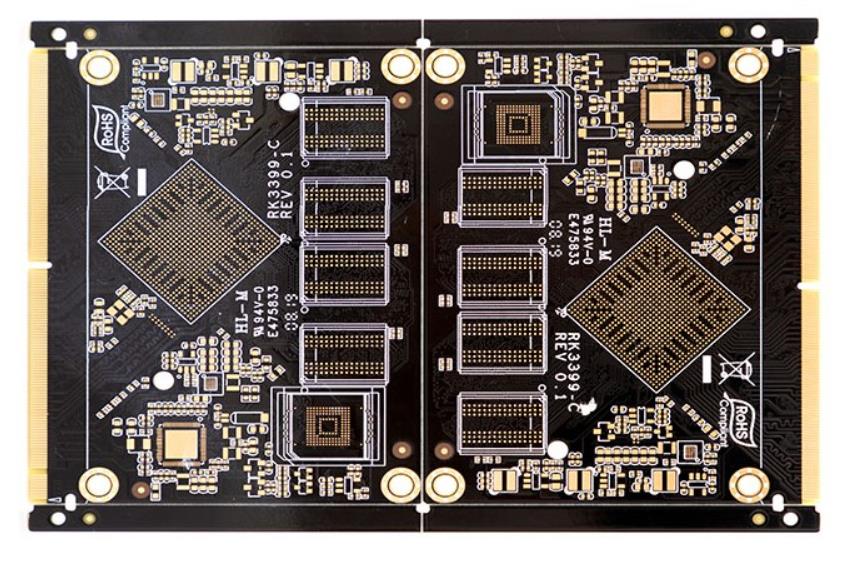
Coating also provides some mechanical protection. It can reduce the risk of small particles causing shorts and help protect the assembly from abrasion during handling. For boards that must withstand humidity, condensation, or chemical exposure, coating is often specified as part of the manufacturing requirement.
In some industries, such as medical and automotive electronics, coating is not simply an option. The product standard or customer specification may require it to pass certain environmental tests.
Coating versus No Coating
Not every PCBA needs conformal coating. A board that operates in a controlled indoor environment with low humidity and no chemical exposure may perform reliably without it. Adding coating increases material, processing, inspection, and rework cost, so it should be justified by the application.
If the product will be installed outdoors, in a factory, near water, in a vehicle, or in a medical environment, coating is usually worth considering. Boards with high-voltage spacing, fine-pitch components, or exposed connectors may also benefit from the insulation and contamination resistance that coating provides.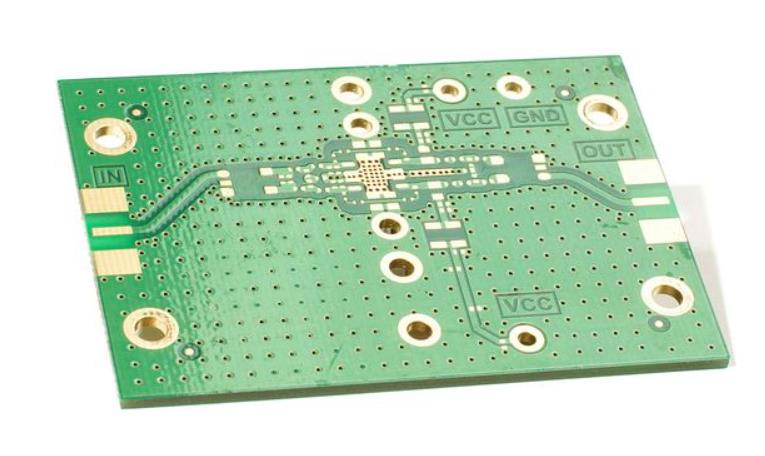
The decision should be based on the expected operating environment, required service life, compliance standards, and the consequences of failure. When a failure could stop production or endanger a patient, the cost of coating is easy to justify.
Common Conformal Coating Materials
Acrylic coating is popular because it cures quickly, has good moisture resistance, and can be removed with solvent for repair. Silicone coating offers better flexibility and high-temperature performance but may be thicker and softer. Urethane provides strong chemical and abrasion resistance. Parylene is applied by vapor deposition and gives very uniform, thin coverage for sensitive assemblies.
Material choice depends on temperature range, chemical exposure, flexibility, dielectric requirements, and rework strategy. The coating supplier should provide a recommended thickness range and curing profile for the selected material.
The coating must also be compatible with the board finish, components, and cleaning process. A qualified material and process combination is more important than choosing the most expensive coating available.
Spray Coating
Spray coating is common for boards with complex shapes. Atomized coating is applied to the board surface with controlled pressure, nozzle speed, and fluid flow. It can cover large areas quickly and is suitable for medium and high volumes.
The quality of spray coating depends on the equipment and process parameters. Thin areas can appear near component edges, and excess coating can pool in low spots if the application is not controlled. Masking is required for connectors, test points, switches, and other areas that must stay uncoated.
Spray can be performed manually or with an automated selective coating machine. Automated systems provide better repeatability for production.
Brush Coating and Dip Coating
Brush coating is often used for prototypes, repair, or boards that need coating only in selected areas. It is simple and inexpensive, but thickness control and coverage consistency depend on the operator. Brush coating is not ideal for large production volumes.
Dip coating immerses the board in a coating bath and withdraws it at a controlled speed. It can provide complete coverage and is efficient for batch production. However, dip coating may create thicker layers and can leave excess material on connectors unless they are masked.
The right method depends on board geometry, quantity, required thickness, and how much masking is needed. For high-density SMT boards, selective spray is often preferred because it protects the required areas without wasting material.
Selective Coating for SMT Boards
Selective coating uses a programmable dispensing or spraying system to apply material only to specified regions. This reduces waste, protects connectors and test points, and gives the manufacturer more control over coverage on dense boards.
Selective coating is especially useful for automotive, medical, and industrial boards that contain components which should not be coated. The machine can follow the design data and maintain a clear boundary around masked features.
Process development for selective coating includes programming the coating path, checking edge coverage, and verifying that component leads and solder joints receive enough material. A well-planned selective process lowers cost while meeting quality requirements.
Before starting production, the manufacturer should qualify the coating on the actual board design. A simple flat coupon may not show the coverage behavior around tall components, connectors, and fine-pitch ICs. Building a small qualification lot and inspecting edge coverage gives the process team more reliable data than assuming the coating will follow the same pattern on every assembly.
Curing and Thickness Control
After application, the coating must be cured using heat, UV light, or moisture, depending on the chemistry. The curing profile should match the material specification so the film reaches its final protection properties. Undercured coating may remain soft, while excessive heat can damage sensitive components.
Coating thickness is an important quality parameter. Too little material may not protect the board, while too much can reduce heat transfer or create stress. Common thickness ranges are expressed in microns and should be verified with a suitable measurement method.
For most applications, thickness and uniformity matter more than the exact brand of material. The process should be documented and repeated consistently from lot to lot.
Cleaning before coating is also important. Flux residue, oils, fingerprints, and other contamination can prevent the coating from wetting the surface and reduce adhesion. The board should be cleaned with a process compatible with the components and dried before the coating is applied.
Masking and Excluded Areas
Connectors, battery contacts, switches, heatsink surfaces, optical windows, and test points usually must remain uncoated. Masking these areas before coating is essential because coating on a contact surface can cause poor electrical connection or mechanical fit problems.
The board design should make masking easier by keeping unprotected features in accessible locations. If a connector is buried under other components, coating may accidentally reach its pins.
Masking material, method, and removal must also be compatible with the coating. Tape that leaves residue, or caps that shift during spraying, can cause rework or false rejects.
Inspection and Quality Verification
After curing, the board should be inspected for complete coverage, bubbles, voids, thin spots, and contamination in excluded areas. UV-fluorescent coating can be inspected with UV light to confirm coverage. Thickness measurements can be made with ultrasonic or other instruments depending on the substrate and coating.
Automated optical inspection can be used for some coating applications, but a three-dimensional or UV inspection system may be needed to verify coverage around components. Electrical testing should still be performed after coating because the process can affect the final assembly.
A complete quality plan combines coating inspection with the normal PCBA testing flow so the finished board is verified electrically as well as visually.
Coating is also used on some consumer products that may be exposed to moisture, but the decision should remain cost-driven. A high-volume consumer device may only justify coating in an area that is especially vulnerable, which makes selective application valuable.
Applications That Benefit from Coating
Industrial controls benefit from protection against dust, humidity, and chemical exposure. Medical devices need reliable operation in hospital environments and resistance to cleaning agents. Automotive electronics face wide temperature swings, vibration, salt, and moisture. Outdoor communication and energy equipment also need long-term environmental protection.
In these markets, a qualified provider should understand both the assembly process and the coating material. Selecting the correct process and material for each application is important.
For industries with strict reliability requirements, the supplier can combine medical PCBA, industrial PCBA, and conformal coating under one quality system.
Rework is another factor in material choice. Some coatings can be removed with solvent to repair a solder joint, while others are difficult to remove without damaging the board. The supplier should understand how much rework the product may need and choose a material that balances protection with serviceability.
Conclusion
Conformal coating for SMT PCBA is not a one-size-fits-all process. The material, application method, thickness, masking, and inspection must be matched to the product environment and reliability target.
With the right process planning, coating improves the durability of boards that operate in humid, dirty, chemically active, or safety-critical environments. For products that do not need it, avoiding unnecessary coating keeps cost and lead time under control.