Custom LED Strip PCB Price Guide: Cost, Materials and Production Checklist
Why LED Strip PCB Price Varies So Much
A custom LED strip pcb looks simple, but the price range is enormous: from under a dollar per board for a basic FR-4 strip to several dollars for an aluminum-based board that drives high-power LEDs in a car light bar. The difference comes down to materials, thermal design, and how the strip is assembled. For automotive, marine, industrial, and commercial lighting buyers, understanding those drivers is the difference between a profitable product and one that overheats or fails in the field. This guide breaks down LED strip PCB cost in practical terms and gives engineers and purchasers a production checklist they can use when quoting.
Which Substrate Fits Your LED Strip
Substrate choice is the largest single cost decision for any LED strip pcb. Aluminum metal-core boards (MCPCB) are the standard for high-power strips used in vehicles, work lights, and marine fixtures because the metal base spreads heat away from the emitters; realistic pricing sits around USD 0.8-3.5 per board. FR-4 strips cost less, roughly USD 0.4-2.0, and suit low- and mid-power applications such as under-cabinet and signage lighting. Flexible polyimide strips price between the two at roughly USD 1.0-5.0 and serve curved, thin, or space-constrained designs. Hybrid constructions that combine aluminum with FR-4 sections appear when a strip needs both thermal performance and controlled signal routing.
Cost Drivers Beyond the Substrate
Layer count and routing complexity move the price next. Single-layer strips are the low-cost baseline at about USD 0.5-2.0, while multilayer designs with integrated dimming or control circuitry run from USD 3 upward. Copper weight adds USD 0.3-1.2 when stepping from 1 oz to 2-4 oz for high-current strips. Surface finish contributes a smaller premium, with ENIG adding roughly USD 0.1-0.8 over HASL, justified where corrosion resistance or fine-pitch pads matter. Finally, LED power and thermal load drive everything else: a strip that runs 30 W or more needs the thicker copper and metal-core construction that no finish or layout trick can replace.
Realistic LED Strip PCB Prices
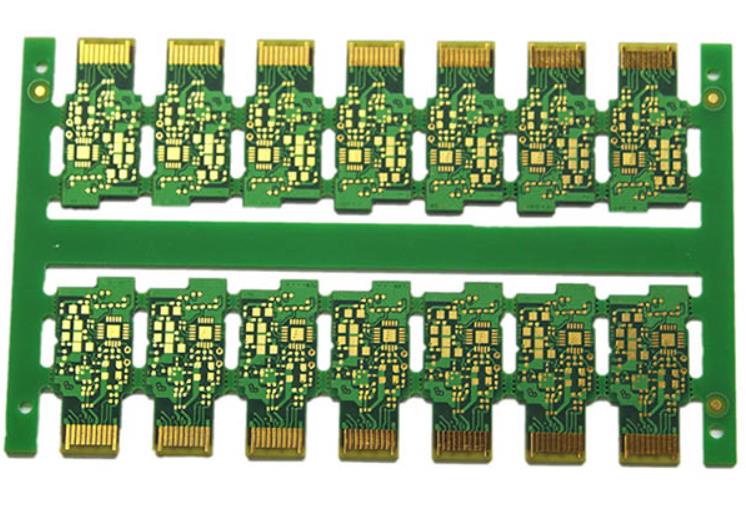
Putting the drivers together, production PCB pricing for custom LED strip boards in China typically lands at USD 0.8-3.5 for aluminum-based designs, USD 0.4-2.0 for FR-4, and USD 1.0-5.0 for flexible versions. Assembly adds SMD LED placement at roughly USD 0.02-0.08 per LED, with a complete assembled strip ranging from USD 1.5 to 12 per unit depending on length and component count. Optional steps such as silicone potting add USD 0.5-3.0, connectors and wire add USD 0.2-1.5, and housings add USD 2-10. For small runs and prototypes, per-board prices of USD 5-25 with a USD 30-80 engineering fee are normal; high-volume production can drive assembled cost down toward the USD 0.5-3 per board range.
Small Batch Versus Volume: Where the Money Goes
Prototype and small-batch pricing includes setup that disappears at scale: tooling, stencils, programming, and engineering review get spread across hundreds or thousands of boards. A 100-piece pilot order might carry 30-50 percent overhead per board, while a 10,000-piece order amortizes the same fixed costs into pennies. Buyers planning automotive or industrial programs should therefore quote the annual volume honestly, because the difference between 500 and 5,000 pieces can halve the unit price before any design change is made.
Thermal Management Rules for LED Strips
Heat is the enemy of LED life, and the LED strip pcb is the primary heat path. Aluminum bases conduct heat into the mounting surface quickly, which is why they dominate automotive and high-bay applications. On FR-4 designs, thermal vias, wide copper pours, and solder-pad extensions pull heat away from the die, and thermally conductive interface materials between the strip and its housing close the last gap. For strips above roughly 30 W, an MCPCB is not optional; without a metal heat path, LED junction temperature climbs until brightness decays and the strip fails early.
Production Checklist Before You Quote
An accurate LED strip pcb quote starts with complete files: Gerbers, a BOM, pick-and-place data, and the schematic when control electronics are involved. Then confirm the specification: substrate type and thickness, copper weight from 1 to 3 oz, finish, LED package and power, voltage (12, 24 or 48 V), brightness and color temperature, and the required waterproofing rating. Assembly requirements such as reflow profile, test points, and inspection class should be written down, and packaging for ESD-sensitive flex strips needs to be defined in advance. Suppliers that run DFM review on this checklist before tooling catch the layout errors that otherwise surface as scrapped first articles.
Quality Control That Matters
Reliable LED strip manufacturing verifies more than continuity. Thermal cycling and power-load tests confirm the solder joints and thermal path survive real operation. IP65-IP68 water resistance testing validates potting and seals for outdoor and marine use. Brightness and color-temperature consistency checks ensure strips from different reels match, and 4-12 hour burn-in catches early failures before shipment. Automotive and industrial buyers should look for IPC-A-610-based inspection and, where the application demands it, IATF-16949 quality systems, which is the standard that separates lighting-grade suppliers from commodity board houses.
Choosing a Custom LED Strip PCB Partner
Evaluate suppliers on certification, experience, and speed together. ISO 9001, UL recognition, and IATF-16949 where automotive work is involved confirm process discipline, while 24-72 hour prototyping capability shortens development cycles. The strongest partners offer the whole chain, from PCB manufacturing through SMT assembly and PCBA testing, so the thermal design, placement, and validation happen under one roof. Compare quotes that include test coverage and yield assumptions, not just board price, and ask for case studies in lighting categories close to your own.
Common LED Strip Mistakes to Avoid
Most LED strip failures trace back to a handful of repeatable errors. Undersizing the copper for the LED current is the most common: a strip that draws 5 A on 1 oz copper runs hot from day one, so calculate the real current before locking the stack-up. The second mistake is skipping thermal simulation on aluminum boards, assuming the base alone solves the problem when dielectric thickness and LED spacing still decide junction temperature. Third, buyers often compare quotes without matching finish, copper weight, and test scope, then wonder why the low bid fails in the field. Finally, flex strips are ordered without specifying bend radius and strain relief, which guarantees cracked traces at assembly. Writing these parameters into the specification, not leaving them to the supplier’s discretion, is the cheapest way to avoid a re-spin.
LED Strip PCB FAQ
Q1: How much does a custom LED strip PCB cost? Production boards typically range from USD 0.4 to 5.0 depending on substrate, with assembled strips from USD 1.5 to 12.
Q2: Aluminum or FR-4? Use aluminum metal-core boards above roughly 30 W or in hot environments; FR-4 is fine for low- and mid-power indoor strips.
Q3: What files do I need for a quote? Gerbers, BOM, and pick-and-place files, plus LED specifications, voltage, and waterproofing requirements.
Q4: How fast can prototypes ship? Leading manufacturers deliver samples in 24-72 hours with volume production following standard lead times.
Conclusion
Custom LED strip pcb pricing is predictable once you separate material, thermal, and assembly decisions. Aluminum, FR-4, and flex substrates each have a clear cost position, and the production checklist turns a vague request into a quote that survives contact with reality. With a quality management system behind the process and one-stop manufacturing and assembly, lighting brands get strips that stay bright, consistent, and reliable through years of automotive, marine, and industrial duty.