PCB Overmolding Guide: Process, Materials, Design and Costs
Protecting Electronics With Molded Plastic
PCB overmolding encases an assembled circuit board in molded plastic, turning fragile electronics into rugged, sealed modules that shrug off water, dust, vibration, and impact. The same technique that gives a USB cable its strain relief now protects automotive sensors, medical devices, wearables, and outdoor IoT hardware. Because the process injects molten polymer around live electronics, it demands respect for temperature, pressure, and component placement. This guide explains how pcb overmolding works, which materials suit which products, what design rules keep yields high, and what the process costs.
How the Overmolding Process Works
Overmolding starts with a fully assembled and tested PCB. The board is often preheated so the shock of molten plastic does not crack solder joints, then placed inside a precision steel mold cavity. Injection molding machines melt the polymer and push it into the cavity under controlled pressure, where it flows around components and cures into a solid protective shell. After cooling, the mold opens and the finished module is de-gated and deburred before functional and cosmetic inspection.
Two process parameters dominate quality. Mold temperature typically runs between 160 and 260 degrees Celsius depending on the polymer, and injection pressure between 30 and 90 MPa. The engineering challenge is balancing flow: the melt must fill every void around components without developing air pockets or bending leads, while the board itself must survive the thermal and pressure exposure. Flow analysis and careful gate placement turn that balancing act into a repeatable process.
Choosing an Overmolding Material
Material selection follows the product’s environment and the board’s heat tolerance. TPU, a soft and abrasion-resistant polyurethane, is the classic choice for cables, connectors, and wearables where flexibility and feel matter. TPE offers similar softness with a different balance of grip and processability. PA nylon brings strength and heat resistance for automotive and industrial modules. PC polycarbonate delivers impact strength for housings that must survive drops. The decision hinges on component temperature ratings, required flexibility or rigidity, and compliance with UL and RoHS requirements, so material engineers usually qualify two candidates before committing to a mold.
Design Rules That Prevent Scrap
Good overmold results are designed in, not discovered in production. Component spacing must give the polymer room to flow, and tall or fragile parts should sit away from the gate where melt velocity is highest. Heat-sensitive components need distance from the hottest flow paths or protection from lower-temperature materials. Structural ribs add stiffness without thickening the wall, and chamfers and fillets spread stress where the plastic meets the board. For cable and connector overmolds, strain-relief geometry prevents the flex failures that kill handheld products. A DFM review against these rules is the cheapest insurance an overmolded project can buy.
What Overmolding Gives You
The payoff is protection in four dimensions. Mechanically, the plastic shell absorbs shock, resists bending, and removes stress from solder joints. Environmentally, a well-designed overmold achieves IP67 or IP68 water and dust protection without gaskets or separate housings. Electrically, the encapsulation adds isolation and creepage protection that plain conformal coating cannot match. And cosmetically, the process produces a seamless, integrated product that needs no secondary assembly, which is why consumer and wearable brands increasingly specify overmolded modules for their premium devices.
Typical Applications
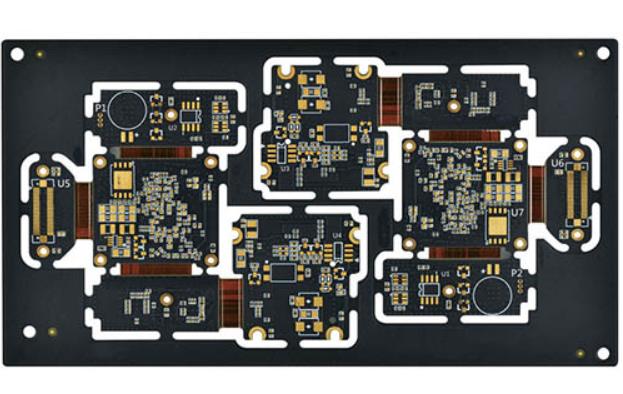
Automotive sensors and control modules use overmolding to survive engine-bay temperature swings and road vibration. Medical electronics encapsulate implantable-adjacent and handheld devices for sterilization and fluid resistance. Outdoor instruments and industrial controls gain IP68 protection against weather and washdown. Wearables mold flexible boards into comfortable bands, and consumer accessories protect connectors, batteries, and signal modules. Rigid boards, rigid-flex assemblies, and small flexible circuits can all be overmolded when the material and temperature are matched to the board.
Engineering Challenges and Fixes
Every overmold program meets the same family of problems. Thermal damage to components is countered with low-temperature resins and component qualification at the real process temperature. Mold misalignment is solved with precision tooling and multi-point registration. Component deformation from injection pressure is managed through gate position and injection-speed profiling. Short shots and voids are eliminated with venting, flow simulation, and process validation. None of these are mysteries, but each requires a supplier that understands electronics and molding in the same conversation, not two departments guessing at each other.
Cost Structure of PCB Overmolding
Overmolding cost splits into tooling, material, and the board itself. A standard single-cavity mold typically costs USD 800-2,500, while complex multi-cavity tools run USD 3,000-12,000. TPU and TPE materials price around USD 2.5-7 per kilogram, a minor line item. The PCB is usually the biggest cost: simple small boards run USD 2-8 and complex assembled boards USD 10-40. Per-part molding adds roughly USD 1-6 depending on cycle time and complexity, and complete assembled modules commonly land between USD 3 and 15. As with any molding process, small batches carry high per-unit tooling overhead while volume production drives unit cost down sharply.
Choosing an Overmolding Partner
One-stop capability is the strongest signal: a supplier that combines PCB fabrication, SMT assembly, mold design, and injection molding keeps the tolerances, communication, and schedules under one roof. Verify mold design experience, material engineering depth, and certifications such as ISO 9001 or IATF-16949 where automotive work is planned. Ask how they validate the process, including first-article inspection, dimensional reports, and functional testing of molded modules. Suppliers offering the full chain from PCB assembly and prototype PCB assembly through box build assembly can move a design from bare board to finished sealed product without handoffs.
Validation and First Articles
Overmolded electronics deserve the same validation rigor as the board itself. First-article inspection should confirm dimensional accuracy, gate and ejector locations, and full encapsulation of the intended areas with no exposed pads or voids. Cross-sectioning a sacrificial part verifies that plastic reached under low-profile components and that no leads were bent during injection. Electrical functional tests after molding catch opens caused by thermal stress, and environmental tests such as water immersion and thermal cycling confirm the IP rating is real. Tooling approval matters too: a signed first-article report with photographs and measurements becomes the reference every production lot is judged against.
PCB Overmolding FAQ
Q1: Which PCBs can be overmolded? Rigid boards, rigid-flex assemblies, and small flexible circuits all work when the polymer temperature suits the components.
Q2: What temperatures does the process use? Mold temperatures typically range from 160 to 260 degrees Celsius depending on the chosen material.
Q3: How long does overmolding tooling take? Samples generally ship in 7-12 days and production tooling and qualification in 15-30 days.
Q4: Does overmolding replace conformal coating? For full environmental sealing it can, though many designs still use coating on the board and overmolding for the outer shell.
Conclusion
PCB overmolding converts vulnerable electronics into sealed, rugged modules that survive environments ordinary boards cannot. Success depends on material science, mold design, and DFM discipline rather than luck, and the cost structure rewards volume and one-stop partnerships. With PCB manufacturing and molding capability in the same facility, product teams compress their supply chain and ship devices that are waterproof, drop-resistant, and ready for the field.