Choose an SMT Pick-and-Place Machine: Buying Guide
Choosing an SMT pick-and-place machine is a major investment for any electronics factory. The machine must place components quickly and accurately enough for the products being built. It also needs to fit the factory’s available space, feeder capacity, and future growth. A machine that is too slow can create a bottleneck, while one that is too expensive may reduce the return on investment for small batch production.
This guide explains the key factors to compare when buying an SMT placement machine and how to match the machine to your production needs.
Products with mixed technology need more flexible machines. If the board contains both tiny passives and heavy connectors, the placement system must handle both without sacrificing accuracy.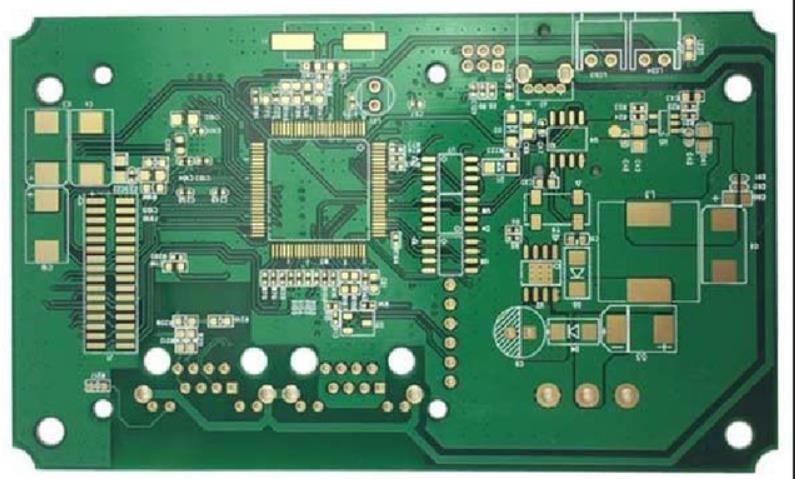
Consider both current product lines and planned prototypes. A machine that cannot handle the next product may limit the factory’s growth soon after purchase.
Understand Your Product Range
Before selecting a machine, list the boards you plan to produce. Component types, package sizes, board dimensions, and production volume all affect the required machine capability.
A machine that is ideal for simple LED boards may not be able to handle fine-pitch BGAs or very small passives. The machine should cover your current and likely future products.
Reviewing the product mix with an experienced SMT supplier helps avoid overbuying or underbuying.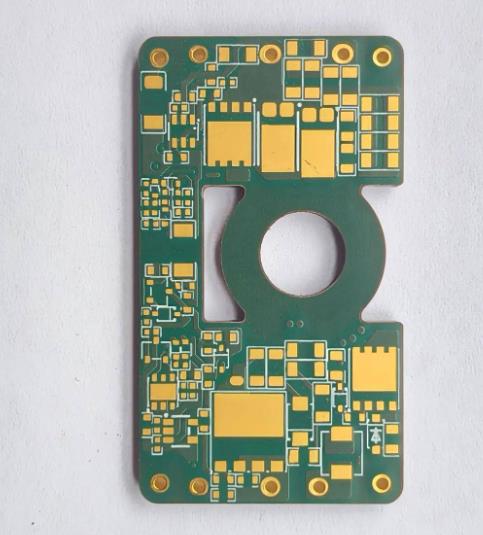
Accuracy should be considered together with repeatability. A machine may place parts accurately once but fail to repeat the same result across many boards if it has poor repeatability.
Placement Accuracy
Placement accuracy is the ability to place a component at the correct position and angle. It is usually expressed as a position error in microns.
Fine-pitch components, BGAs, and small passives need higher accuracy than large connectors or basic ICs. The accuracy specification should be matched to the smallest pitch in the product range.
The accuracy should also be verified under real production conditions, not only in the manufacturer’s brochure.
Changeover time should also be included in the capacity calculation. A very fast machine that takes a long time to change products may not be efficient for a high-mix factory.
Placement Speed
Speed is often stated as components per hour. The effective speed depends on board complexity, feeder layout, and the number of nozzles.
High-speed machines are useful for volume production, while flexible mid-speed machines may be better for high-mix products that need frequent changeover.
The factory should compare production capacity estimates based on its actual boards rather than theoretical maximum speed.
Component recognition is important for polarity and orientation. The vision system should be able to read small markings and confirm the correct side before placement.
Component Range and Nozzle Capacity
The machine must support the full range of component sizes, from tiny 01005 parts to large connectors and odd-form components.
Nozzle types and the number of nozzles affect changeover time and throughput. A machine with limited nozzle capacity may need frequent manual changes.
Check whether the machine can handle tall or heavy components without special tooling.
Feeder maintenance should also be considered. Worn feeders can cause missed picks and should be replaceable with standard parts that are easy to source.
Feeder Capacity
Feeder capacity determines how many different components can be loaded on the machine at once. A high-mix factory needs more feeder slots to avoid frequent setup changes.
The machine should support the tape widths and reel sizes used by your components. Bulk feeders, tray feeders, and tube feeders may be needed for some parts.
Feeder type affects both cost and flexibility, so the selection should consider the full BOM range.
Board warpage should be considered when the machine is chosen. A flexible board may require edge clamping or support pins to keep the surface flat during placement.
Board Size and Handling
The machine must accept the maximum board size in the factory. It should also handle the board thickness and panel format used by production.
For double-sided boards, the machine may need to process both sides with appropriate handling. Conveyor direction should match the line layout.
Heavy boards may require edge support or a specialized conveyor to prevent sagging during placement.
Software should support traceability of placement data. If a board fails later, the factory should be able to identify which machine, nozzle, and program were used.
Software and Programming
The placement program is created from CAD and BOM data. Good software reduces programming time and improves accuracy.
The operator should be able to define component libraries, feeder assignments, and placement sequences easily. Optimization software can reduce travel time and increase throughput.
Check whether the software supports offline programming and can import files from your design tools.
For used machines, request service history and production logs. A machine that has been maintained by its previous owner will usually be more reliable than one with an unknown history.
New versus Used SMT Machines
New machines offer the latest accuracy, speed, and software support, but they cost more. Used machines can provide a lower entry price when the production requirement is less demanding.
Used equipment should be inspected, tested, and supported by a reliable service provider. The factory should consider replacement parts availability and maintenance cost.
For simple or lower-volume production, a well-maintained used machine may provide good value.
Training is part of support. The supplier should provide documentation, online resources, and practical training for operators and maintenance staff.
Brand and Market Support
Popular brands usually offer better technical support, spare parts availability, and operator training. Less common machines may be difficult to maintain.
Resale value should also be considered because the machine is a capital asset. Models with high market recognition are easier to sell later.
Choose a supplier that can provide local support, documentation, and spare parts for the expected life of the machine.
Feeder and nozzle compatibility should be reviewed when adding a machine to an existing line. Shared tooling reduces spare inventory and setup time.
Integration with Your Existing Line
If the factory already owns placement machines, using the same brand may reduce training and setup time. Operators and technicians are already familiar with the software.
A different brand may provide better price or capability, but the factory must plan for learning and support.
The machine should also connect with the printer, reflow oven, AOI, and MES system in the production line.
Spare part stock should be part of the budget. Nozzles, feeders, sensors, and boards are likely to need replacement during normal operation.
Budget and Total Cost
The purchase price is only part of the total cost. Installation, training, tooling, feeders, software, maintenance, energy, and spare parts should all be included in the comparison.
Downtime also has a cost. A machine that is slightly cheaper but less reliable can become more expensive over time.
The buyer should calculate the expected payback period based on real production volume.
The test should also measure setup time, changeover time, and the number of false vision rejects. These figures affect daily production efficiency.
Ask the supplier for references from factories with a similar product mix. Their experience can reveal machine limitations that are not obvious from the specification.
Testing before Purchase
Ask the supplier to run a test using boards and components from your factory. The test should show real placement accuracy, speed, and defect rate.
Check the machine under the same board size, panel format, and component mix you plan to produce. A brochure test may not reflect your actual product.
If possible, visit an existing customer using the same model and ask about maintenance and downtime.
Future growth should also include software expansion and remote support. If the factory plans to add another line later, the same software standard makes training and scheduling easier.
Future Capacity Planning
The chosen machine should allow the factory to grow. If production volume increases, the factory may need to add another machine or increase line speed.
Machines that can be configured with more feeders, heads, or software options give the factory more flexibility.
Plan the machine layout so the factory can expand without rebuilding the whole line.
The board design should also be reviewed before the machine is purchased. A good PCB design and layout can make placement easier and improve machine efficiency.
Working with SMT Experts
If the factory is not sure which machine is best, it can work with an electronics manufacturing specialist to validate the process before investing in equipment, using qualified component procurement and feeder planning. A controlled SMT PCB assembly service can also demonstrate the required quality and output.
The best purchase decision comes from testing the machine with real boards and understanding the full cost of ownership, not just the listed specification.
Whatever machine you choose, the process must include correct setup, maintenance, operator training, and inspection to achieve reliable results.
Speak with multiple suppliers and compare the total offer, including training and service, before making the final decision.
Conclusion
Choosing an SMT pick-and-place machine requires a clear understanding of accuracy, speed, component range, feeder capacity, board handling, support, and budget.
When the machine is matched to the actual product mix and future plans, it becomes a reliable foundation for SMT production.