Renewable Energy PCB Manufacturing: Custom Solutions and Costs
Boards Built for the Energy Transition
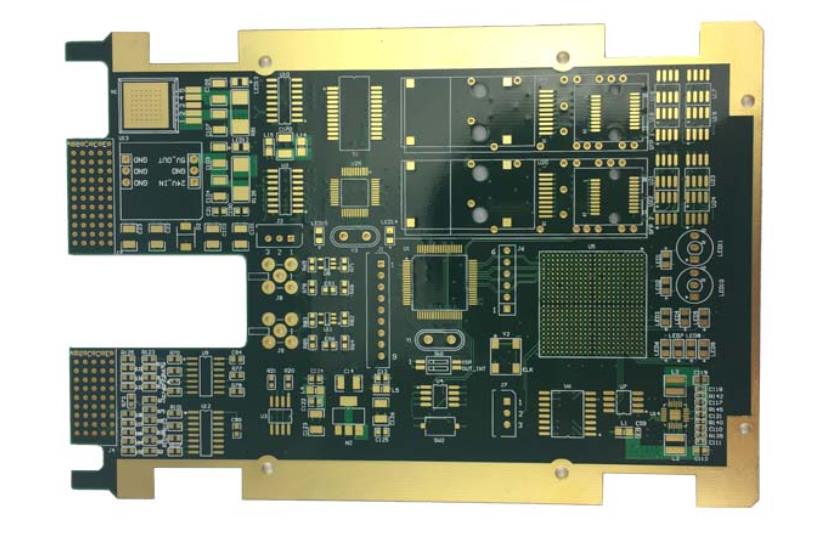
As the world shifts toward solar, wind, hydro and energy storage, reliable electronic control has become the core of the energy industry. In every renewable-energy system, the printed circuit board carries power, conditions signals, spreads heat and provides the insulation and protection that keep high-voltage equipment alive for decades outdoors. Unlike consumer electronics, renewable energy pcb designs must handle high voltage and high current, extreme temperature swings, humidity, corrosion and continuous duty, which is why custom PCB manufacturing has become a core requirement for solar inverter boards, wind turbine control boards, energy-storage BMS boards and EV charging modules. This guide explains the technical demands, materials, pricing and supplier capabilities behind renewable energy PCB manufacturing in 2025.
Where PCBs Work in Renewable Systems
Each renewable application stresses the board differently. Solar inverter PCBs operate at 600-1500 V with high thermal loads and power density, typically built as two to six-layer high-Tg FR-4 with 2-4 oz copper, sometimes with aluminum MCPCB sections for heat spreading. Wind turbine controller boards survive strong vibration, temperature cycling, lightning and transient surges. Energy-storage BMS PCBs demand accurate current sensing, low noise and crosstalk, and stable long-term communication between cells and the management unit. EV charging and DC fast-charging boards push copper to 6-10 oz with high dielectric strength and serious thermal design. Grid-tie systems add MPPT control, DC-DC and DC-AC conversion modules to the list. All of them share the same fundamentals: high reliability, environmental endurance and electrical safety.
Electrical Requirements: Voltage, Current and Insulation
Renewable systems operate from 48 V up to 1500 V, which sets the electrical rules for the board. Creepage and clearance must be enlarged for high-voltage sections, insulating materials need high comparative tracking index values of 600 or better, and conductors must carry real current with 2-10 oz copper where needed. These are not optional niceties: a 1000 V inverter board with consumer-grade spacing is a fire risk. The best renewable energy pcb designs treat isolation distance as a first-class constraint, which is why manufacturers with high-voltage experience add value at the design-review stage rather than simply following Gerbers.
Materials for Heat, Outdoors and High Frequency
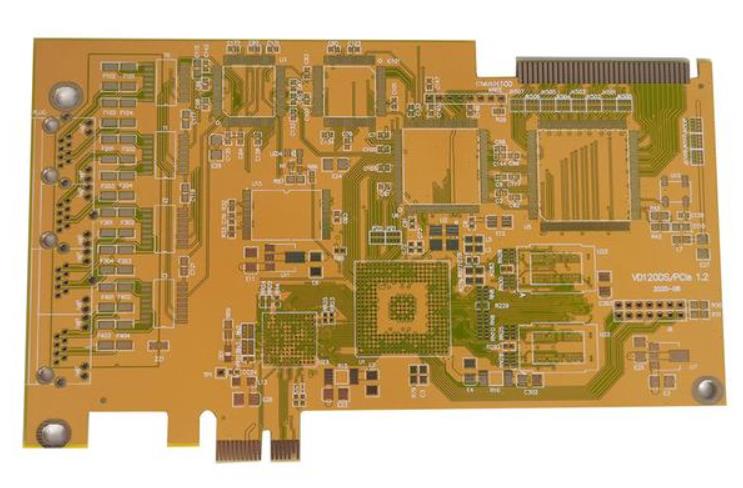
Material choice follows the environment. High-Tg FR-4 is the workhorse for inverters and wind controllers, keeping properties stable when cabinet temperatures climb. Aluminum-base MCPCBs move heat out of LED and power modules. Ceramic substrates such as aluminum oxide and aluminum nitride serve high-temperature modules that FR-4 cannot survive. Rogers high-frequency laminates appear in wind monitoring and remote communication boards that carry radio signals. Conformal coating then protects the finished assembly from UV, salt spray, temperature swings and humidity, because a renewable-energy board may spend twenty years bolted to a pylon, a rooftop or a desert rack.
Key Manufacturing Capabilities
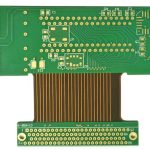
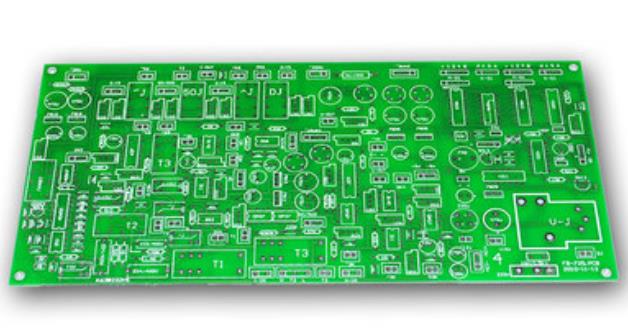
Custom renewable energy PCB manufacturing draws on a specific capability set. High-power stack-up design matches layer structure to voltage class and thermal need. Heavy copper from 2-10 oz serves storage, inverter and power modules. MCPCB fabrication in aluminum or copper maximizes heat transfer, and HDI technology compacts the control electronics used in IoT energy devices and sensors. Rigid-flex constructions improve vibration resistance and service life for moving or tightly packaged systems, and selective coating processes protect against moisture, salt, mold and dust. A supplier that holds all of these capabilities can build an entire inverter or BMS board family without handing off to specialists.
Process Control and Quality Standards
Manufacturing flow determines consistency. Engineering review applies DFM rules before tooling; material preparation and lamination use high-Tg, high-CTI materials that hold up under heat and voltage; imaging and plating keep high-current paths uniformly copper-plated to lower resistance and heat; drilling and hole metallization handle laser microvias, blind and buried vias, and via filling; and finishes such as ENIG, ENEPIG, lead-free HASL and OSP match the corrosion demands of the installation. Testing closes the loop with high-voltage insulation testing, AOI, thermal cycling, and optional HALT or HASS and thermal-shock programs. Certifications anchor the system: ISO 9001 and ISO 14001, IPC-A-600 and IPC-6012 Class 2 or Class 3, UL, RoHS and REACH.
2025 Cost Ranges and Price Drivers
Renewable energy pcb pricing depends on layers, material, copper weight, size, finish and reliability-test level. A two-layer FR-4 board with 2 oz copper costs about USD 0.8-1.6 per board. A four-layer high-Tg FR-4 board with 1-2 oz copper runs USD 2.5-5.0. Aluminum MCPCBs cost USD 3.5-8.0, and 6 oz heavy-copper industrial power boards reach USD 6-18. Prototypes cost more per unit but validate the design quickly, while production pricing falls with volume and panelization. Real examples in volume include four-layer 2 oz solar inverter boards near USD 2.8 at 1,000 pieces, six-layer HDI storage BMS boards around USD 5.5 at 500 pieces, and two-layer 4 oz wind control boards near USD 3.2 at 2,000 pieces. Cost reduction comes from panel optimization, standard stack-ups, controlled via types and avoiding non-standard materials.
Custom Versus Standard Boards
The difference between a standard board and a renewable-energy custom board is the difference between a component and a system. Custom boards carry up to 10 oz copper against 1 oz typical, provide far stronger heat spreading, survive outdoor environments that corrode standard finishes, and hold tolerances for high-voltage isolation that generic production does not control. They cost more, and they live longer, which is the trade that utilities and OEMs actually need: the failure cost of a standard board inside a 500 kW inverter far exceeds the savings on the board itself.
Selecting a Renewable Energy PCB Manufacturer
Choose a manufacturer by capability and evidence, not by brochure. Confirm heavy-copper processing, high-frequency and high-voltage design experience, MCPCB and ceramic production, and a material inventory that covers Rogers, ceramics and aluminum bases. Check the test floor for flying-probe testing, AOI and high-voltage insulation testing, and ask whether engineering can support DFM, stack-up design and EMC optimization. Prefer factories with ISO 14001 environmental certification if green manufacturing matters to your customers. The strongest partners offer the full chain, from PCB manufacturing through SMT assembly and PCBA testing, so solar, wind and storage programs keep fabrication and reliability validation under one accountable roof, backed by energy PCBA experience.
Renewable Energy PCB FAQ
Q1: Which PCB material suits solar inverters? High-Tg FR-4 rated for 150-170 degrees Celsius with 2-4 oz copper is the standard recommendation for inverter boards.
Q2: How much copper does a BMS board need? Most storage BMS boards use 1-2 oz, while high-current designs reach 3-6 oz on the main power paths.
Q3: What kills wind control boards? Strong vibration and lightning surges, so thick copper, reinforced protection and rigid-flex or hardened constructions are essential.
Q4: Are renewable energy PCBs more expensive than consumer boards? Yes, because heavy copper, high-voltage isolation and reliability testing add real cost that consumer boards never carry.
Q5: How fast can prototypes ship? Capable manufacturers deliver samples in 48-72 hours, with volume production following in 7-12 days.
Conclusion
Renewable energy PCB manufacturing is defined by voltage, heat and time: boards must carry high power, shed heat for decades, and survive weather that destroys ordinary electronics. Heavy copper, high-CTI insulation, metal-core construction and disciplined testing turn a printed circuit into the backbone of solar, wind and storage systems. Working with a manufacturer that holds those capabilities and understands the applications is how energy products earn the reliability their ratings promise.