Ceramic PCB Materials Guide: Alumina, AlN, BeO and Si3N4
What Ceramic PCBs Are
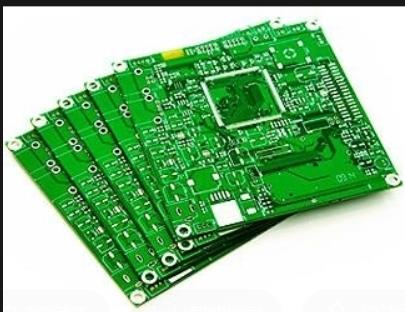
Ceramic PCB materials replace the epoxy glass of a normal FR4 board with a ceramic substrate that carries copper circuitry directly on its surface. The switch to ceramic is driven by applications such as electric vehicles, 5G base stations, industrial power supplies, laser equipment and high power LED lighting, where FR4 simply cannot move enough heat or survive the temperature. A ceramic PCB combines high thermal conductivity, strong electrical insulation, high temperature resistance, low thermal expansion, low dielectric loss, excellent dimensional stability and a long service life. Common manufacturing technologies include thick film and thin film ceramic processing, DBC direct bonded copper, DPC direct plated copper, LTCC low temperature co-fired ceramic and HTCC high temperature co-fired ceramic. Four substrate families dominate the market: alumina, aluminum nitride, beryllium oxide and silicon nitride.
Why the Material Choice Matters
The ceramic substrate determines the thermal path, the electrical behavior, the mechanical strength, the thermal cycling life, the working reliability and the final cost of the board. Picking the wrong material causes chip junction temperatures to climb, the substrate to crack under thermal shock, solder joints to fail, product life to shorten and field service costs to rise. There is no single best ceramic; each material is a trade between heat spreading, strength, dielectric properties, safety, availability and price. A careful selection made at the start of the project, with realistic power and environment data, saves far more money than any later substitution.
Alumina: The Workhorse of Ceramic PCBs
Alumina, or aluminum oxide, is the most widely used ceramic substrate in the world and accounts for more than 80 percent of the market. Common grades are 92 percent, 96 percent and 99.5 percent alumina, with higher purity improving thermal and insulating performance. Typical properties include a thermal conductivity of about 20 to 35 W per meter kelvin, a dielectric constant around 9 to 10, a breakdown voltage above 15 kV per millimeter and a thermal expansion of roughly 6 to 8 ppm per degree Celsius. Alumina wins on low cost, mature processing, excellent insulation and good corrosion resistance, but its heat spreading is modest, it does not suit ultra high power modules and its thermal shock resistance is limited. It is the natural choice for LED modules, consumer electronics, power supplies, sensors, automotive electronics and industrial control boards that need ceramic reliability at a reasonable price.
Aluminum Nitride: The Best Heat Spreader
Aluminum nitride, or AlN, is regarded as the best overall high thermal ceramic material because it conducts heat almost like a metal while staying a perfect insulator. Its thermal conductivity reaches 170 to 230 W per meter kelvin, with a dielectric constant of about 8.5 to 9, a thermal expansion of only 4.5 ppm per degree Celsius and breakdown voltage above 15 kV per millimeter. That expansion figure closely matches silicon and other semiconductor die, which reduces stress on the die attach and the solder layers. AlN is lightweight and performs well at high frequency, but the raw material is expensive, machining is difficult and lead times are longer. It is the substrate of choice for IGBT power modules, electric vehicle inverters, laser diodes, 5G base stations, RF amplifiers and medical imaging equipment where thermal density is extreme.
Beryllium Oxide: High Performance With a Caveat
Beryllium oxide, or BeO, delivers the highest thermal conductivity of the four materials, from about 200 up to 330 W per meter kelvin, together with a low dielectric constant of 6.5 to 7.5 and excellent high frequency behavior. It was once standard in military and aerospace electronics and still appears in satellite communications, radar, high power microwave systems and specialized aerospace projects. The serious drawback is safety: beryllium oxide dust is toxic, so cutting, drilling and any mechanical damage must be tightly controlled to prevent dust release. Because of that hazard, most commercial products have moved to aluminum nitride as a safer substitute, and BeO is now limited mainly to programs that genuinely need its performance and can manage the handling rules.
Silicon Nitride: Strength for Power Modules
Silicon nitride, or Si3N4, has become the rising ceramic for electric vehicle power electronics because it combines useful thermal performance with unmatched mechanical strength. Its thermal conductivity of 70 to 95 W per meter kelvin is lower than AlN, but its flexural strength of 700 to 1000 MPa, fracture toughness of 6 to 8 MPa root meter and thermal expansion of only 3 to 4 ppm per degree Celsius give it outstanding resistance to thermal shock and cracking. That toughness supports high power density designs that would fracture a more brittle substrate. The trade-offs are higher material cost, complex processing and few qualified global suppliers. Silicon nitride is used in EV power modules, IGBT modules, electric drive systems, wind power converters, high speed rail traction systems and aerospace power supplies where a cracked substrate is simply unacceptable.
Side by Side Comparison
Ranking the four ceramics makes the trade-offs visible. For heat spreading the order is beryllium oxide first, then aluminum nitride, silicon nitride and alumina last. For mechanical strength silicon nitride leads, followed by aluminum nitride, alumina and beryllium oxide. For cost the ranking reverses: alumina is the cheapest, then aluminum nitride, silicon nitride, and beryllium oxide is the most expensive. For environmental and handling safety, alumina, aluminum nitride and silicon nitride are routine to work with, while beryllium oxide demands strict dust control. These four rankings explain most real world selections: alumina for value, AlN for heat, Si3N4 for ruggedness, and BeO only for special defense and space programs.
Ceramic PCB Cost Guide
Price scales steeply with material grade and board size. Alumina boards are the most affordable, with prototyping typically $30 to $120 and production pricing from about $0.80 to $5 per piece. Aluminum nitride prototypes run $80 to $400 with production from $3 to $25 per piece. Silicon nitride prototyping is $150 to $600 with production from $5 to $40 per piece. Beryllium oxide is normally quoted per project and costs at least 30 to 50 percent more than aluminum nitride. Actual pricing depends on the substrate material, board dimensions, copper thickness, layer structure, process type such as DBC or DPC, and quantity, so a DFM review with the factory is the fastest route to an accurate number.
How to Select the Right Ceramic Substrate
Selection should follow the power and reliability budget of the product. With limited cost, choose alumina for LED lighting, power modules, sensors and consumer applications. When heat is the dominant problem, aluminum nitride is the answer for IGBTs, lasers, RF systems and EV controllers. When mechanical and thermal shock reliability matter most, silicon nitride suits EV power modules, traction systems and industrial power electronics. Only special military programs should consider beryllium oxide, and only with a compliance plan for handling its dust. In every case, validate the choice with thermal simulation and prototype testing before committing the design to volume tooling.
Working With Your Ceramic PCB Manufacturer
Ceramic fabrication is a different discipline from standard laminate processing, so supplier qualification matters. Ask your PCB manufacturing partner which substrate families it can produce, which metallization processes it runs such as DBC, DPC, thick film or thin film, and what panel sizes and copper thicknesses it controls. Confirm that inspection includes AOI, X-ray, flying probe and functional test where needed, and that the quality system references IPC Class 2 and Class 3. Pair the ceramic board with SMT assembly and PCBA testing experience because ceramic modules are frequently mounted with specialized soldering and thermal interfaces that a general shop may not handle well.
Ceramic PCB Materials FAQ
Q1: Which ceramic PCB has the best thermal conductivity? Beryllium oxide reaches about 330 W per meter kelvin, but aluminum nitride is the safer high performance choice used in most products today.
Q2: Is aluminum nitride better than alumina? AlN is clearly better for heat spreading, but alumina remains the most common material when cost control matters more than extreme thermal performance.
Q3: Why do electric vehicles use silicon nitride substrates? Si3N4 offers outstanding mechanical strength and thermal shock resistance, which protects high power modules in vibration and rapid temperature changes.
Q4: Are ceramic PCBs better than metal core boards? For high power and high temperature applications, ceramic generally provides better heat spreading, insulation and long term reliability than metal base boards.
Q5: What is the most common ceramic PCB material? Alumina holds the largest market share, above 80 percent, because it balances performance, cost and manufacturing maturity.
Conclusion
Ceramic PCB materials are replacing FR4 and some metal core constructions in the electronics that must run hot and run long. Alumina remains the value leader, aluminum nitride provides the best practical heat spreading, silicon nitride brings the mechanical toughness that power modules need, and beryllium oxide survives only in special applications because of its toxicity. The right choice depends on the power density, thermal cycling, mechanical stress and cost target of the product, and it should be confirmed with the PCB capabilities of the factory that will build it. Select deliberately, prototype early and qualify the supplier, and the ceramic board becomes an enabler of performance rather than the weak link in the system.