



Polyimide PCB: Advantages, Materials and Applications in 2026
Why Polyimide PCB Matters in 2026
High performance electronics often push the limits of a standard board. Space, heat and reliability requirements are tougher in aerospace, automotive, medical and wearable products. That is where a polyimide PCB comes in. With a high temperature rating, excellent flexibility and strong chemical resistance, polyimide boards handle environments that FR4 cannot. This guide explains what a polyimide PCB is, its advantages, the material options, the process, the cost and how to choose a supplier.
What Is a Polyimide PCB?
A polyimide PCB is a printed circuit board built with a polyimide resin as the base material. Compared with conventional FR4, polyimide offers a much higher performance ceiling. It can withstand temperatures above 260 degrees Celsius, bend repeatedly without breaking, resist oils, solvents and industrial corrosion, and has a low dielectric constant that supports high speed signals.
Key Advantages of Polyimide PCB
Heat performance. Polyimide stays stable at high temperature, which makes it ideal for aerospace electronics and automotive engine control modules. Flexibility. It can be bent many times without cracking, so it is perfect for flexible circuits and rigid flex boards. Chemical resistance. It resists oil, solvents and harsh industrial environments. Thin and light. The material can be as thin as 0.05 mm, which supports miniaturization and light weight. Reliability. It performs consistently in extreme conditions and lowers system failure rates.
Types of Polyimide PCB
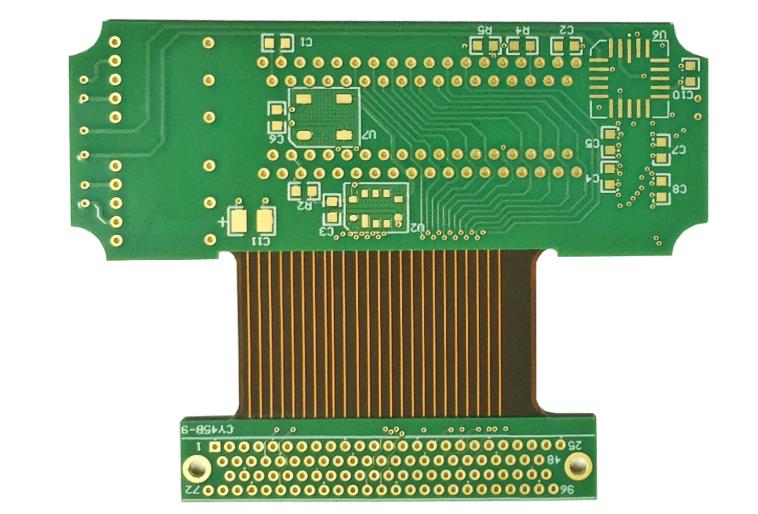
Flexible polyimide PCBs are used in wearables and phones where high flexibility is required. Rigid flex polyimide PCBs combine rigid and flexible sections to improve connection reliability. Multilayer polyimide PCBs support high density routing for complex systems. The structure can also be adhesive based or adhesive free. Adhesive free types give higher heat resistance and reliability, while adhesive types cost less. Choose based on the temperature, flex and budget of the product.
Material and Build
Polyimide base. This is the core insulating layer with a high glass transition temperature. Copper foil. Rolled annealed copper gives better flex, while electrolytic copper costs less. Adhesive. Used to laminate the layers, it affects the overall heat resistance. Coverlay. This protective film seals the circuit and blocks moisture and contamination.
The coverlay opening and the copper finish both affect the flex life. If the coverlay is too thick or the opening is too small, the copper sees extra stress at the bend. A uniform copper thickness and a smooth surface treatment reduce micro cracks. These details are hard to get right on a rigid board and matter far more on a flexible one.
Manufacturing Process
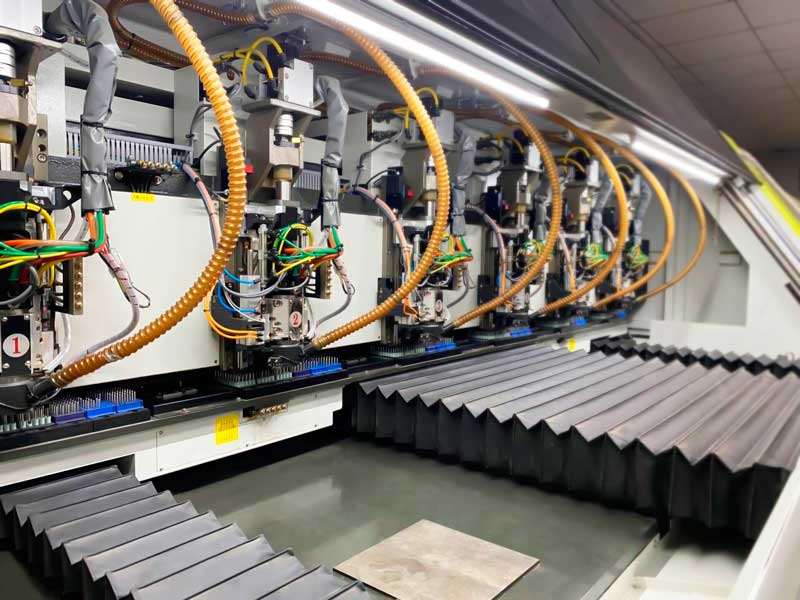
The process includes material preparation, pattern transfer and etching, lamination, drilling and plating, and a surface finish such as ENIG, OSP or HASL. Polyimide needs careful handling because it absorbs moisture and is easy to damage. A good supplier bakes the material, controls the lamination temperature and keeps the drill and plating parameters tight so the board stays flat and reliable.
At the flex area the copper weight should stay moderate. Heavy copper bends poorly and cracks faster, so a thin rolled annealed copper is usually better for a moving joint. Where the board needs to carry more current, use a wider trace rather than a thicker one. This keeps the flex life up while still meeting the electrical requirement.
Applications
Aerospace uses polyimide in satellite systems and avionics. Automotive electronics use it in ECU control units and new energy battery systems. Medical devices use it in implantable electronics and precision diagnostic instruments. Consumer electronics use it in smartphones and wearables, and industrial control relies on it in robots and high reliability systems. Each of these needs a material that handles heat, flex or both.
Polyimide vs Other Materials
Polyimide versus FR4: polyimide has a higher temperature rating and better flexibility, but FR4 is much cheaper and rigid. Polyimide versus PET: polyimide gives higher performance while PET is a low cost option. Polyimide versus ceramic PCB: polyimide bends well, while ceramic conducts heat more strongly. Matching the material to the real requirement avoids paying for a capability you do not need.
Z axis expansion is the hidden risk in a rigid flex board. The rigid material and the flexible polyimide expand at different rates when heated, which can push the plated vias apart over time. A design that balances the thickness and the material across the stack keeps the board stable through many thermal cycles. Discuss this with the fabricator early because it affects the layer arrangement.
Design Considerations
Control the bend radius so the copper does not crack, optimize the stack up to keep the flex stable, watch the thermal expansion match between the rigid and flex sections, and balance cost against performance. A trace that crosses a bend should run perpendicular to the fold line where possible, and the pad should be large enough to survive repeated flexing.
The stack up also drives the price. Adding more copper layers, a stiffer material or a bigger panel raises the cost quickly, so a simple two layer flex board is far cheaper than a six layer rigid flex assembly. If the product only needs to bend once during assembly, a lower cost material may be fine. If it flexes continuously in use, spend on a high flex polyimide with an adhesive free bond.
2026 Pricing
Price depends on the material type, layer count, design complexity, precision and order size. As a reference, a flexible polyimide prototype runs about 0.15 to 0.50 US dollars per square centimeter, and a volume run drops to about 0.08 to 0.30 US dollars per square centimeter. A rigid flex board runs about 1 to 5 US dollars per piece in prototype and 0.5 to 2 US dollars per piece in volume. A multilayer polyimide board can run from 50 to over 500 US dollars depending on the stack.
How to Choose a Supplier
Check for ISO and UL certifications, real flexible PCB experience, custom production support and transparent pricing. A manufacturer with over ten years of PCB experience, a dedicated flexible line, fast prototyping in 24 to 72 hours and large volume capacity gives you lower defect rates and shorter delivery. Compare the defect rate and the test report before you commit.
Start with PCB manufacturing and PCB prototype service to validate the flex design, and follow high frequency PCB design guidance when the signal path runs fast.
Common Problems and Solutions
Delamination is solved with adhesive free material. Moisture absorption is controlled with strict baking and storage. High processing difficulty is best handled by an experienced manufacturer. These issues show up when the material or the process is not well matched, so a capable partner avoids them.
For a flexible board, the supplier should provide a bend cycle test and a thermal cycling report so you can confirm the flex life before volume. Ask for the IPC class and the material datasheet, and keep the same material across the prototype and the production run.
FAQ
How much heat can a polyimide PCB take? It can work continuously above 260 degrees Celsius.
Is a polyimide PCB expensive? It costs more than FR4 but delivers better performance.
Is it suitable for high frequency circuits? Yes, it has good electrical properties for fast signals.
Which industries use it most? Aerospace, automotive, medical and consumer electronics.
