LTCC vs HTCC vs FR4 PCB: How to Choose the Right Substrate
Choosing the Right PCB Substrate
The substrate is the foundation of every printed circuit board, and it decides thermal performance, signal integrity, mechanical strength and cost. When a standard FR4 laminate cannot meet high-frequency, high-temperature or high-reliability demands, designers consider ceramic substrates such as LTCC and HTCC. Choosing correctly early in the design phase prevents expensive rework and performance failures later.
What Is FR4?
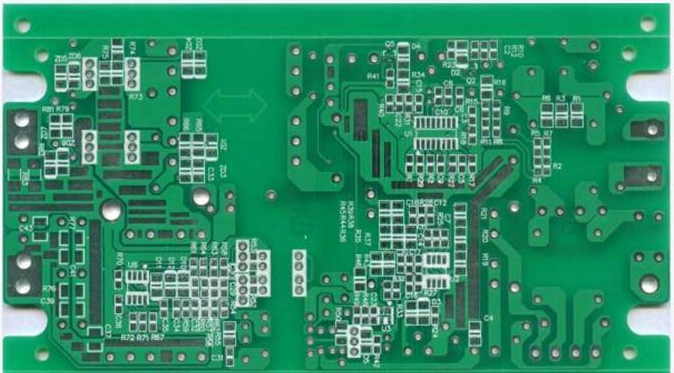
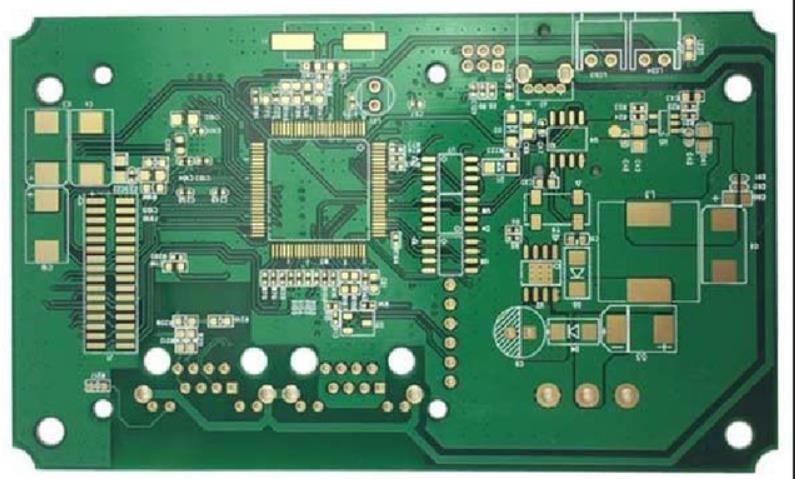
FR4 is a glass-reinforced epoxy laminate and the most common PCB substrate in the world. It is inexpensive, easily available, easy to drill and plate, and works well for the vast majority of consumer, industrial and computing boards. FR4 handles moderate temperatures and frequencies, and it is the default choice for cost-sensitive applications.
What Is LTCC?
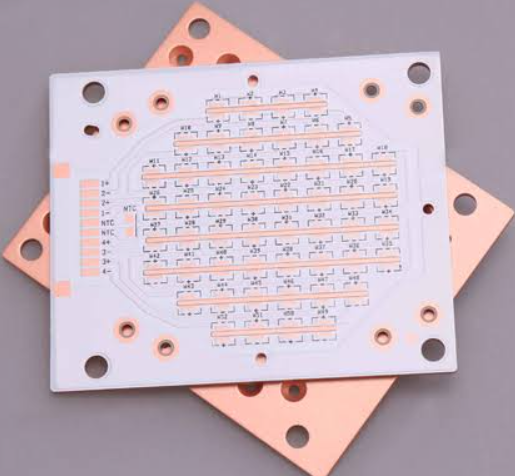
Low-temperature co-fired ceramic (LTCC) is a ceramic substrate fired at about 850 to 900 degrees Celsius. The low firing temperature allows noble metal pastes such as silver, silver-palladium and gold to be co-fired with the ceramic layers. LTCC supports embedded resistors, capacitors and inductors inside the multilayer structure, enabling compact, high-density modules with excellent high-frequency and thermal performance.
What Is HTCC?
High-temperature co-fired ceramic (HTCC) is fired at 1500 to 1600 degrees Celsius. Because of the high firing temperature, HTCC uses refractory metals such as tungsten and molybdenum, which require a nickel and gold plating step for soldering. HTCC delivers the best mechanical strength and thermal conductivity but tends to be more expensive and harder to miniaturise than LTCC.
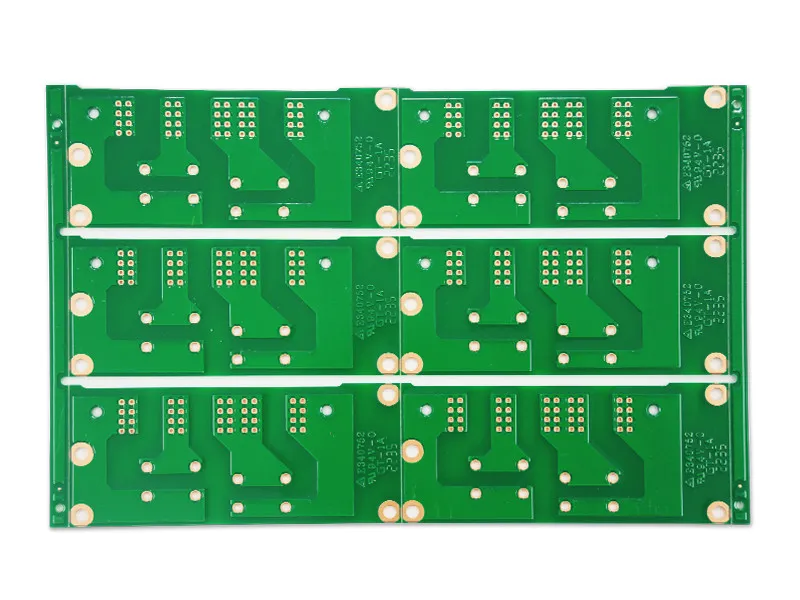
Key Differences at a Glance
Firing temperature. LTCC fires around 850 degrees Celsius and HTCC around 1550 degrees Celsius. Conductor metal. LTCC uses silver, silver-palladium or gold; HTCC uses tungsten or molybdenum. Integration. LTCC supports embedded passive components; HTCC offers higher mechanical strength but more limited integration. Cost. FR4 is the cheapest, LTCC is mid-range and HTCC is the most expensive. Thermal conductivity. HTCC is generally highest, followed by LTCC and then FR4, which offers the lowest thermal management of the three.
Performance and Cost Comparison
FR4 is the strongest choice for cost and simplicity, with a typical dielectric constant around 4.2 to 4.8, making it unsuitable for very high-frequency RF designs. LTCC offers a controlled dielectric constant around 6 to 9, low loss and the ability to bury passives, making it ideal for RF modules and sensors. HTCC offers the best thermal conductivity, around 20 to 200 W/m K depending on composition, and is used in power electronics and harsh environments. In general, prices rise in the order of FR4, then LTCC, then HTCC, with ceramic materials frequently costing many times more than standard laminate per unit area.
Common Applications
FR4. Used in consumer electronics, computers, automotive ECU boards, industrial controllers and power supplies. LTCC. Used in RF and microwave modules, 5G front-end modules, Bluetooth and Wi-Fi modules, MEMS packages and high-reliability aerospace sensors. HTCC. Used in power modules, high-temperature downhole or automotive electronics, LED packages and defence and space systems where mechanical and thermal demands are extreme.
Selecting the right board also depends on how the PCB manufacturing process supports the material, so confirm the stack-up with your fabrication partner and review the PCB design and layout constraints before ordering.
How to Choose
Start with your operating frequency, thermal budget, environment and cost target. If the design runs below a few gigahertz with modest heat, FR4 is usually enough and the cheapest option. If you need compact RF modules with embedded passives, LTCC is a strong fit. If the board faces extreme temperatures or needs the best possible thermal and mechanical performance, choose HTCC. Where ceramic is too costly, a prototype PCB assembly on FR4 can validate the design before committing to expensive ceramic production.
FAQ
Which is cheaper, LTCC or HTCC? LTCC is generally cheaper because it uses lower firing temperatures and more affordable noble metal pastes.
Can I use FR4 for RF designs? FR4 works for low-frequency RF, but for higher frequencies and tight tolerances a ceramic or high-frequency laminate is preferred.
Does HTCC need special plating? Yes, HTCC uses tungsten or molybdenum conductors that must be plated with nickel and gold to be solderable.
Are ceramic PCBs strong? Yes, ceramic substrates are mechanically rigid and thermally stable, making them reliable in harsh environments.
Conclusion
FR4 covers most everyday needs at the lowest cost, LTCC balances high performance with compact integration for RF modules, and HTCC delivers the best thermal and mechanical strength for demanding applications. Match the substrate to your frequency, heat and budget, then work with an experienced partner to bring the board to production reliably in 2026.