Turnkey PCB Assembly Cost: Complete 2026 Price Breakdown
What Turnkey Assembly Includes
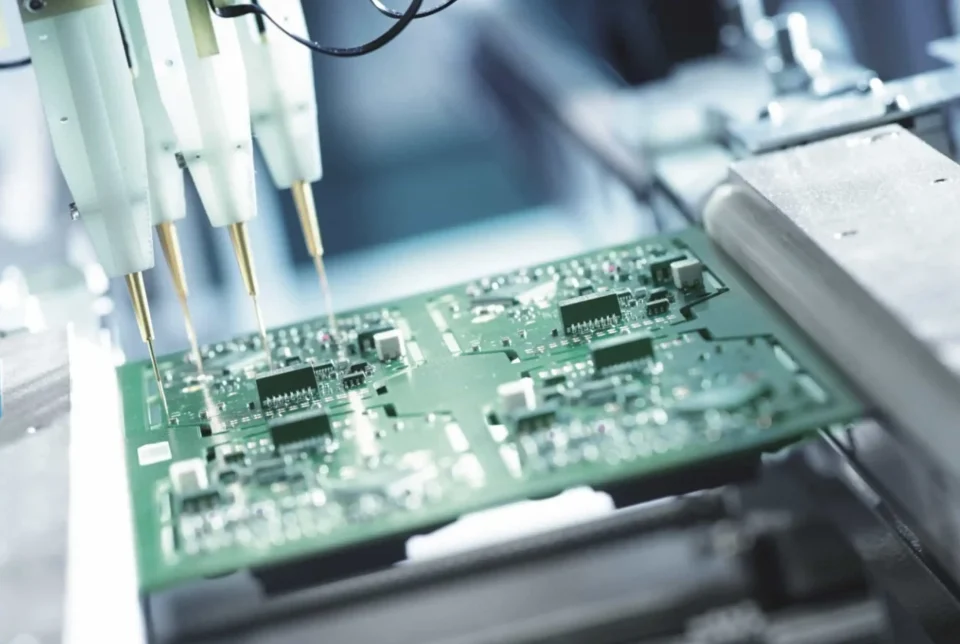
Turnkey PCB assembly means one supplier takes responsibility for the whole build: sourcing the bare boards, buying the components, printing the paste, placing the parts, reflowing, inspecting, testing and shipping the finished assemblies. The customer supplies a design file and a bill of materials, and receives working boards. That convenience has a price, and understanding how it is built up is the only way to compare quotes sensibly, because two suppliers can publish very different numbers for what looks like the same service.
The Cost Structure
NRE and tooling. Stencil fabrication, solder paste and profile development, pick and place programming, and any test fixture or programming jig. This is a one time charge that is fixed regardless of quantity. Bare board. Fabrication of the PCB, driven by layer count, size, material, surface finish and copper weight. Components. The BOM itself, which for a modern design is often the largest single line, plus sourcing, handling and any minimum order quantity penalties. SMT placement. Charged by the number of placements or the number of solder joints, and influenced by package type. Through-hole and mixed assembly. Added where connectors, transformers or large capacitors are present. Test. In-circuit, functional, X-ray or boundary scan. Conformal coating. Coating, masking and curing. Packaging and logistics. Often overlooked until the quote arrives.
Typical Ranges in 2026
Absolute prices vary too much for a single number to be useful, but the structure is consistent. Engineering setup for a prototype run typically falls in the range of a few hundred dollars, covering stencil, programming and first article. Placement is charged per component or per joint, with simple chip components at the low end and fine pitch or BGA parts costing several times more because of inspection and rework risk. In low volume, a finished assembly commonly lands in the tens to hundreds of dollars per board, dominated by the fixed charges spread over few units. In volume production, the same board can fall to a small fraction of that, because the fixed charges disappear into the unit price and the variable costs, components and placement, take over.
What Drives the Price
Quantity. The single largest factor, because it amortises every fixed cost. Component count and mix. More placements mean more time and more risk; fine pitch, BGA, QFN and connectors add inspection and rework cost. Board complexity. Layer count, copper weight, material and surface finish. Joint count. Many suppliers quote per joint, so a dense board costs more even if component count is modest. Test requirements. A simple functional check is cheap; full in-circuit and boundary scan with fixtures is not. Lead time. Expedited turnaround carries a premium across the whole chain, including component sourcing. Documentation. Regulated markets need traceability and records, which add cost.
Hidden Costs to Watch
Component sourcing surprises are the most common: a part that is short in supply is either bought at a premium or substituted, and either way the quote changes. Minimum order quantities mean you may pay for more parts than you need. Component programming, if the design needs firmware loaded, is often quoted separately. Rework and scrap rates on fine pitch parts can appear as an adjustment after the first build. Finally, shipping, duties and insurance are sometimes excluded from the headline number, which makes a cheap quote look better than it is.
How to Reduce the Cost
Consolidate the BOM where possible and prefer parts that are in stock and available from multiple distributors. Keep fine pitch and BGA devices to the minimum the design requires. Design for the standard process window so the fabricator does not have to add steps. Match the test strategy to the product: prototype builds rarely need full in-circuit test, while production volumes usually justify the fixture. Give as much lead time as the schedule allows, and provide a complete, unambiguous package so the supplier does not have to guess. Where the quantity is high enough to justify it, ask for a breakdown between fixed and variable cost, and the levers become obvious.
Turnkey assembly works best when the design, the fabrication and the assembly are planned together. Review how PCB manufacturing feeds the assembly line, keep the design inside the assembly rules in your PCB design and layout, and check the design and manufacturing considerations before release. Then compare the prototype PCB assembly quote with the volume price so the programme budget reflects the real cost curve.
FAQ
Why is the first build so expensive? Because stencil, programming and first article charges are fixed and spread over very few units.
Are components included in turnkey assembly? Yes. Turnkey means the supplier sources the parts, so the BOM cost is part of the quote.
What is the biggest cost driver? Quantity, followed by component count and package type. Fixed charges dominate at low volume and placement dominates at high volume.
How can I compare quotes fairly? Ask for the same scope, including test, programming, packaging and shipping, and request a split between fixed and variable costs.
Conclusion
Turnkey PCB assembly cost is a fixed part and a variable part. The fixed part, stencil, programming, fixture and engineering, dominates the first build; the variable part, components and placement, dominates at volume. Understand which is which in your quote, reduce the fixed charges where you can, and keep the design inside the standard process window. Done that way in 2026, turnkey assembly is a predictable cost rather than a surprise.