DIP PCB Assembly Cost in 2026: Price Factors Explained
Why DIP Assembly Prices Differ So Much
Dual in line packages and other through hole parts are placed and soldered differently from surface mount parts, and that difference is the whole cost story. Where an SMT line places hundreds of components a minute from reels, a through hole line has to insert leads into holes, keep the part seated while the board moves, and then solder every joint, usually in a wave. Each of those steps carries labour and handling that does not shrink with volume in the same way that surface mount does. Two boards with identical bills of materials can therefore differ by a factor of three in assembly price purely because of how many through hole insertions they contain.
Price Is Per Insertion, Not Per Board
The industry quotes through hole work by the number of insertions, with a step change once the count passes the point where hand insertion stops being viable. A handful of parts on an otherwise surface mount board is hand work with a modest premium. Dozens of parts, or a board that is entirely through hole, moves to a machine insertion and wave solder process with a different structure. Ask for the quote split by insertion type, because a mixed board is charged for both the SMT placements and the through hole work, and only the split shows where the money actually goes.
Labour, Volume and the Learning Curve
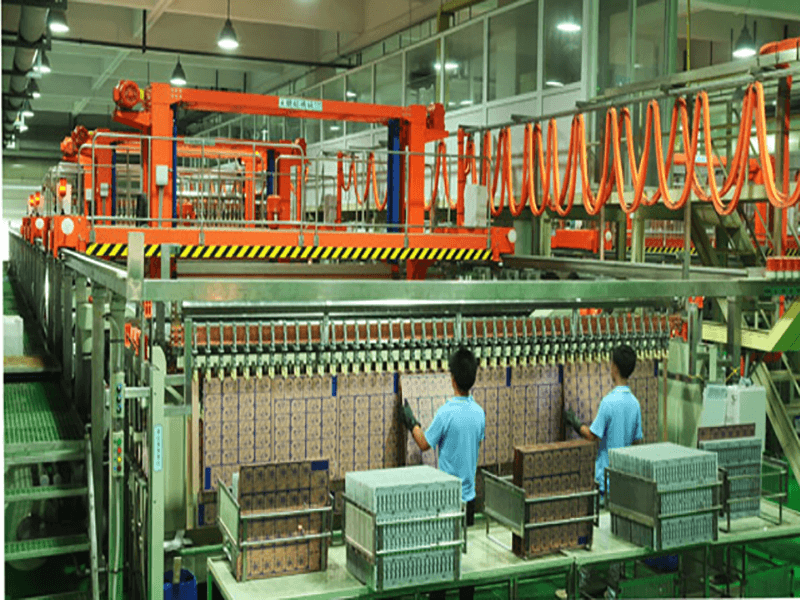
Hand insertion time falls as the operator learns the board. The first boards of a run take longer than the hundredth because the operator builds muscle memory for the layout, so most shops price a first article and an ongoing rate. Volume therefore affects price twice: setup is spread further, and the per board time drops. Orders below about fifty pieces rarely reach the efficiency point and are priced close to engineering time. Orders above a few thousand pieces start to justify a dedicated line and a custom fixture, and the cost curve flattens.
Wave Solder and Fixtures
Solder method is the next major line item. Wave soldering is fast and consistent for through hole, but it needs the board to be fixtured if there are bottom side surface mount parts or a mixed assembly, because the wave will otherwise disturb or remove them. A pallet or carrier fixture is a one off tooling cost that removes cost from every subsequent board in the run, so the break even point should be calculated rather than guessed. Selective soldering avoids the fixture for low volume work but carries a higher hourly rate. Which is cheaper depends on volume, board size and the number of joints to be soldered in the second pass.
Mixed SMT and Through Hole Builds
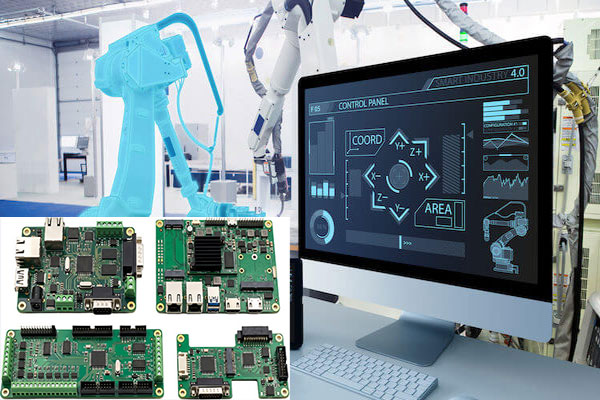
Most modern boards are mixed, and the assembly sequence is what makes them costly. The usual flow is SMT first, reflow, then through hole insertion and wave or selective solder. That means the board passes through two process lanes, is handled twice, and must be fixtured for the second pass. The cost premium over a pure surface mount board is real but predictable: it scales with the number of through hole joints and with the amount of bottom side surface mount that has to be protected. Designing the through hole parts to sit in one band of the board, away from fine pitch surface mount, reduces the fixture complexity and therefore the price.
Component and Quality Adders
Part sourcing. Through hole parts are often older or obsolete, and a broker sourced part can add both cost and qualification work. Lead forming. Non standard lead pitch or standoff height needs pre forming. Cleaning. No clean flux is cheaper than an aqueous wash, but high reliability work may require cleaning and the extra handling it brings. Test. Bed of nails fixtures for through hole boards are more expensive than flying probe, and the choice affects the per unit price. Inspection. ISO class and IPC class 3 requirements add inspection time on every joint.
How to Lower the Quote
Consolidate through hole parts into one region so a single pallet covers them. Replace a through hole connector with a surface mount or press fit equivalent wherever the mechanical design allows. Specify one flux and one cleaning regime across the whole board. Send the BOM with manufacturer part numbers and approved alternates so sourcing does not stall, and give the shop a real annual volume figure so the quote reflects the whole relationship rather than one order. On repeat builds, freeze the assembly drawing, because every change resets the learning curve.
Through hole cost is a design outcome more than a purchasing outcome, so the decisions should be taken with the rest of the build in view. Review how PCB manufacturing handles mixed technology, apply the placement rules from PCB design and layout, and check the design and manufacturing considerations before release. Running a prototype PCB assembly build first is the cheapest way to confirm the insertion plan before volume.
FAQ
How is DIP assembly priced? Per insertion, with separate charges for setup, wave or selective soldering, fixture tooling and test, then a volume discount as the run lengthens.
Is hand insertion cheaper than machine insertion? For a few parts, yes. Beyond roughly a few dozen insertions per board, machine placement plus wave solder is usually cheaper and more consistent.
Why is a mixed SMT and through hole board so expensive? Because it passes through two process lanes with double handling and usually needs a solder pallet for the second pass.
Can I avoid the fixture cost? Yes, by keeping bottom side surface mount parts away from the wave solder area or by using selective soldering for low volumes.
Conclusion
DIP assembly cost is driven by insertion count, volume, solder method and fixture tooling far more than by the component price. Count the insertions early, group them so one pallet serves the whole board, and quote at the real annual volume rather than a single order. Handled that way in 2026, a through hole build can be competitive without compromising joint quality.