Solder Mask Colour and Material Selection
More Than a Colour
Solder mask is usually discussed as a colour, and the colour is the least important of its properties. The mask is a polymer that has to adhere to the laminate and the copper, survive the fabrication processes and the soldering temperatures, resist the chemicals it meets, insulate between the features and remain stable for the product’s life. The colour is a pigment that is added to the resin, and its choice is usually driven by appearance, inspection or tradition rather than by performance. The material’s chemistry is what decides whether the mask works.
The Common Chemistries
The two families are the epoxy based masks and the photoimageable liquid masks. A screen printed epoxy mask is economical and robust, and it is used on coarser designs. A photoimageable mask is exposed and developed like a resist, which allows a finer definition and a thinner, more uniform coating, and it is the standard for a modern fine pitch board. Within those families there are variations in the resin, the filler and the curing mechanism, and the differences appear in the adhesion, the flexibility, the resistance to chemicals and the behaviour at temperature. The choice should follow the requirement rather than the availability.
Colour and Its Consequences
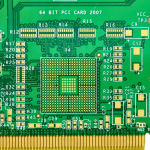
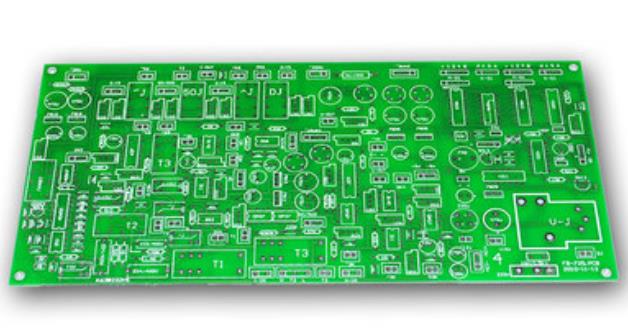
The colour has practical consequences. A green mask is traditional and is the best understood, and it gives a good contrast for optical inspection. A black mask gives a poor contrast, which makes visual inspection harder and can require more reliance on automated inspection, and it absorbs heat, which changes the reflow behaviour slightly. A white mask is used on LED boards because it reflects light, but it can yellow with heat and it shows contamination clearly. A blue or red mask is largely a cosmetic choice. Where the product’s inspection strategy depends on contrast, the colour is a process decision and not a preference.
The Mask and the Assembly
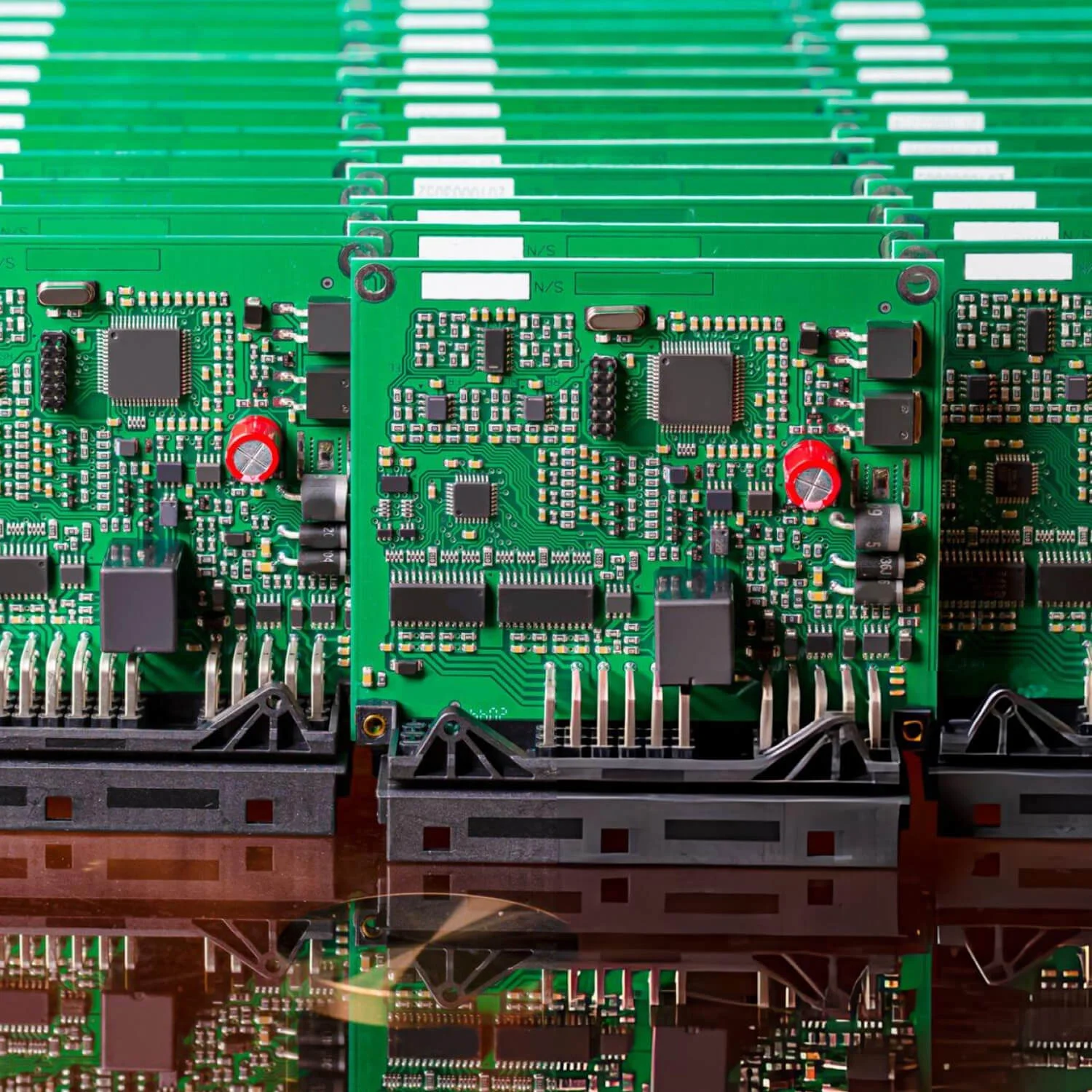
The mask affects assembly in several ways. Its thickness and its definition determine the mask web between the pads and the expansion onto the pad, which affects the available solder area and the bridging risk. Its surface energy affects how the paste behaves at the mask edge. Its adhesion determines whether it survives the reflow, the cleaning and the handling, and a mask that lifts at an edge provides a place for contamination and a place for solder to wick. Its cure determines whether it outgasses during reflow, which can contribute to voiding in a nearby joint. Those are the properties that should be reviewed before a colour is chosen.
Specifying the Mask
The drawing should state the material, the colour, the thickness or the type, the expansion onto the pad and the treatment of vias and fiducials, together with the standard that defines the acceptance. Where the product has a cleanliness requirement, the mask’s ionic content and its curing behaviour matter, since an under cured material can release ionic species. Where the product will be coated, the mask’s compatibility with the coating material should be confirmed, because adhesion between the two depends on the surface. A mask that is specified only by colour leaves all of these undetermined.
Inspection and the Colour
The inspection of the mask itself uses visual and automated methods, and the colour changes the difficulty. A light mask makes a skip, a pinhole and contamination easier to see, while a dark mask hides them and shifts the burden to a machine. Where the inspection is automated, the lighting and the program have to be matched to the colour, so a change of colour invalidates the program. For a product that is inspected visually, choosing a mask that provides contrast with the solder and the silkscreen is a practical decision that reduces escapes.
Standards and Acceptance
The acceptance criteria for a mask are usually defined by a standard that covers the adhesion, the thickness, the definition and the defects that are permitted, with separate classes for different levels of reliability. The class should be chosen to match the product rather than defaulted, because a tighter class costs more and rejects more boards, and a looser one may allow a defect that the product cannot tolerate. The criteria should be applied to the fabrication and to the assembly, since a mask defect can be harmless at fabrication and harmful after the paste is printed. The two departments should share the same understanding of what is acceptable.
Mask on a Coated or Sealed Product
Where the product will be coated, potted or conformally sealed, the mask is the surface the coating adheres to, and its condition matters more than on an uncoated board. A mask with a low surface energy, a contamination or a residue from fabrication can prevent the coating from wetting, which leaves a path for moisture along the interface. The coating’s adhesion should be verified by a tape test or a cross hatch on a sample, and the mask’s cleanliness should be checked as part of the coating process qualification. Where the two are incompatible, changing the mask is often easier than changing the coating.
FAQ
Does the mask colour matter? Mostly for inspection and appearance, and for heat absorption on a black mask; the chemistry matters more.
Why is green traditional? It is the best understood and gives a good contrast for optical inspection, which is why it remains common.
What does a photoimageable mask offer? Finer definition and a thinner, more uniform coat, which suits a fine pitch design.
How does the mask affect assembly? Through the web width, the pad expansion, the surface energy and the cure, which affect the paste and the joints.
Should the acceptance class be defaulted? No. It should be chosen for the product, since a tighter class costs more and a looser one may permit a harmful defect.
Conclusion
Solder mask is a functional polymer, so specify the material, the thickness and the rules, then choose the colour to suit the inspection. Chemistry first, colour second. Mask processing belongs to PCB manufacturing, its effect on the paste and the joints appears in SMT PCB assembly, and the design rules are part of PCB design and layout. Mask selection for a new product is settled during prototype PCB assembly in 2026.