SMT Assembly for Pilot Builds: Getting the First Batch Right
A pilot build is not a small production run. It is a test of the whole data chain: whether the bill of materials is complete, whether the footprints match the parts that arrived, whether the assembly program corresponds to the current revision, and whether the test fixture can reach the signals it is supposed to measure. Treating it as a production order with a smaller number of boards is the fastest way to spend a week resolving questions that should have been answered before the line started.
That is why the relevant metric for SMT assembly for pilot builds is not the price per placement. It is the cost of a batch that has to be stopped, re-kitted and re-run because a single footprint was wrong.
Prepare the Data Package Once
Most delays in pilot builds trace back to information arriving in pieces. A complete package sent once removes a full day of back-and-forth.
- Fabrication data, or a clear statement of where the bare boards came from and which revision they represent.
- A bill of materials with manufacturer, full part number, package and reference designator for every line.
- Placement coordinates and an assembly drawing, with polarity and orientation notes for diodes, connectors and non-standard packages.
- Rules for alternates, customer-supplied material, attrition and the disposition of surplus components.
- Requirements for first article confirmation, firmware programming, functional test, through-hole or selective soldering steps, and packing.
- Quantity, delivery plan and the expected next revision, so the supplier can plan for change rather than be surprised by it.
BOM readiness is the single most valuable item on that list. A line that is complete but unbuildable costs more than a line that is incomplete and honest, because the problem is only discovered at the machine.
Engineering Review Before the Line Starts
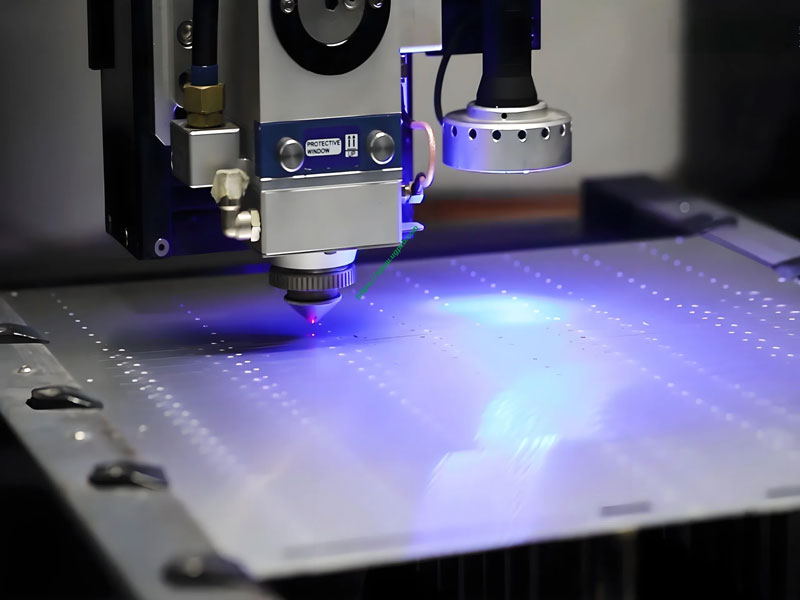
The review is where the pilot build is actually won. A useful review checks the footprints against the parts that were physically received, confirms that the placement coordinates match the reference designators, verifies polarity conventions, and identifies parts that need special handling such as moisture-sensitive devices, fine-pitch packages or connectors that must not pass through reflow.
Panelisation and stencil design belong to the same conversation. A panel that makes handling easy but breaks the assembly sequence, or a stencil aperture that leaves insufficient paste on a large thermal pad, will cause problems that no amount of inspection can correct afterwards.
Where the parts are procured by the assembler, this is also the moment to confirm availability and lead time. A supplier that manages BOM sourcing internally can start that work before the boards arrive instead of waiting for a kit that is already late.
Inspection: What Each Stage Covers
SPI AOI X-ray inspection is a chain, and each link answers a different question. Solder paste inspection measures the volume and registration of the paste before reflow, which is the earliest point at which a stencil or printing problem can be detected. Automated optical inspection checks placement, orientation and fillet appearance after reflow, including the joints that are visible from above. X-ray adds the joints that cannot be seen, most importantly the bottom-terminated packages and the inner rows of area array devices.
The useful question for a pilot build is not whether the supplier owns the equipment but how the results are used. Data that is reviewed for trends and fed back into the printing parameters is worth more than a report that is filed. Ask what happens when a check trends out of control, and who decides whether the batch continues.
First article inspection closes the loop between the design intent and the physical board. It should confirm the correct part in the correct location with the correct orientation, and it should be recorded against the revision that was built.
Mixed Technology and Post-Processing
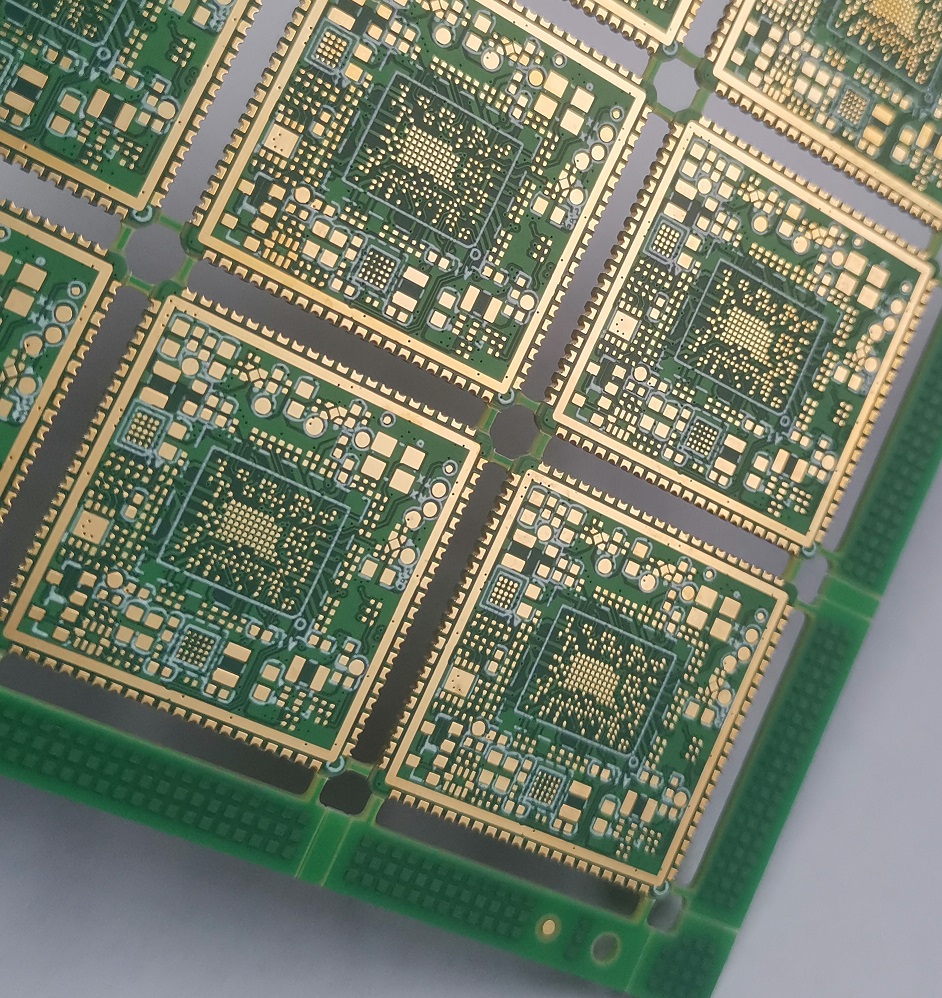
Many pilot builds include through-hole parts, connectors or modules that cannot go through the reflow oven, and these steps are where the schedule usually slips. Planning them in advance, including hand soldering instructions, selective soldering programs and inspection criteria, keeps them inside the same flow as the rest of the assembly.
Downstream operations matter for the same reason. If the product requires PCBA testing, conformal coating, cable assembly or enclosure build, the sequence has to be designed rather than improvised, because coating a board before a test point is exercised turns a five-minute check into a rework job.
Assembly is also the point at which cable and harness work should be planned if the product includes it, since the length and routing of a harness affect how the board is inserted into the enclosure.
Version Control Across Batches
A pilot build is rarely the last one. The next batch may use a revised BOM because a part became unavailable, a new placement program because a component moved, or a different stencil because the panel changed.
For a supplier, the requirement is simple to state and demanding to do: state clearly which BOM revision, which coordinate file and which program were used for each batch, and record every substitution and engineering change against it. That record is what makes a later field failure traceable, and it is what allows a customer to compare two builds that were supposed to be identical.
Choosing a Partner for Small, Fast-Moving Runs
The profile of a pilot build is unusual: quantities are low, the data is still moving, several versions may be in circulation at once, and the customer often needs the boards back quickly to keep a test schedule. Suppliers that are organised only for volume tend to handle these jobs poorly, not because they lack capability but because their process assumes the data is frozen.
A good partner for SMT assembly for pilot builds will accept a revision in flight, provided the change is documented. It will confirm the kit and the program version before the line starts, keep the first article record attached to that version, and be able to state what was built. That is a process discipline rather than a size advantage, and it is worth more than a lower quotation when the schedule is tight.
It also helps when the same supplier can perform the following operations. If the product needs conformal coating, cable and harness work or enclosure assembly, having those steps in one place avoids a second queue and keeps the revision record in one document.
Where a design has not yet been reviewed for assembly, ask for that review explicitly. A supplier that charges nothing for the review and finds a footprint error is cheaper than one that charges less and builds the error into fifty boards.
Finally, treat the pilot build as the beginning of the production relationship. The measurements, the stencil and program parameters, the inspection results and the substitution history from the first batch are the starting point for the volume build, and they only exist if somebody decided to record them.
FAQ
How large does a pilot build need to be? Large enough to exercise the process and the test coverage, often in the range of five to fifty units, with at least a few boards available for destructive or environmental testing.
Should the pilot build use the production test fixture? Ideally yes. A fixture that is easier to change at the pilot stage than after release will save more time than it costs.
What if the parts are customer supplied? Confirm in writing who inspects them, who owns attrition and how the remaining material is returned.
When should the assembler be involved? Before the design is frozen, not after. Early review catches package and assembly issues while they are still free to fix.
Summary
A successful pilot build is the product of a complete data package, an engineering review that happens before the line starts, inspection that is used rather than merely performed, and a version record that survives the next revision. Suppliers who treat a small batch with that discipline make the transition to volume a change of quantity, not a change of process.