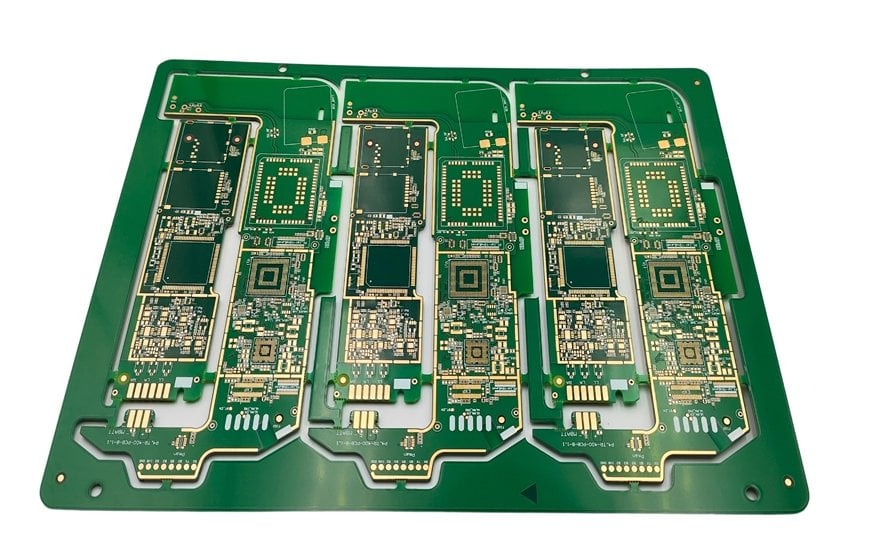
PCB Prototyping: Quality, Lead Time and Price
A prototype is a test of a design, so the useful question about a prototype supplier is not which one is cheapest but which one gives the fastest feedback. Quality, lead time, price, and process capability are the four variables, and they trade against each other in ways that are predictable once the process behind them is understood.
Quality Comes From the Process, Not the Price
Board quality is decided by the laminate, the ink, the equipment, and the discipline of the operators, and by whether every step from the first cut to the final inspection is performed under controlled conditions with the measuring equipment to verify it. A design that is correct can still be produced badly, and the failure appears as inconsistent results between batches rather than as a single bad board.
That is why the useful question to ask is about process capability and process control rather than about grade. Which parameters are monitored, with what equipment, and what happens when a measurement drifts out of range? A shop that can answer those questions has a process; one that answers only in terms of the final specification does not.
Lead Time Is a Process Metric
Delivery dates that slip repeatedly are usually a symptom of the same problem. A prototype flow involves many steps, and each one has to be scheduled and controlled. Where a shop has not managed the flow, the promised date is an estimate rather than a commitment, and the honest answer is not available until the board is finished.
It follows that the fastest way to get a reliable date is to give the shop a design that fits its standard flow. A board that stays inside the process window can be scheduled from the order entry; one that pushes a parameter to the limit needs special handling at one or more steps, and every one of those is a chance for the schedule to move. The parameters that move a design out of the standard window are the minimum feature size, the copper weight, the finish, and any requirement for sequential lamination.

What Determines the Price
Price is a function of a small number of variables, and knowing them makes a quote comparable. The layer count, the board thickness, the laminate, the order quantity, the surface finish, the copper weight, the ink color, the minimum width and spacing, the smallest hole, and the delivery date are the ones that appear in almost every quotation.
Two of them carry more weight than the rest. The minimum feature size decides which process the board is built on, and the layer count decides how many times that process is repeated. A design that relaxes its minimum spacing from a fine value to the standard window often moves to a cheaper process entirely, and the saving is far larger than the cost of routing the change. Comparing two quotes without comparing those fields is comparing an assumption with another assumption.
The Prototyping Process and Testing
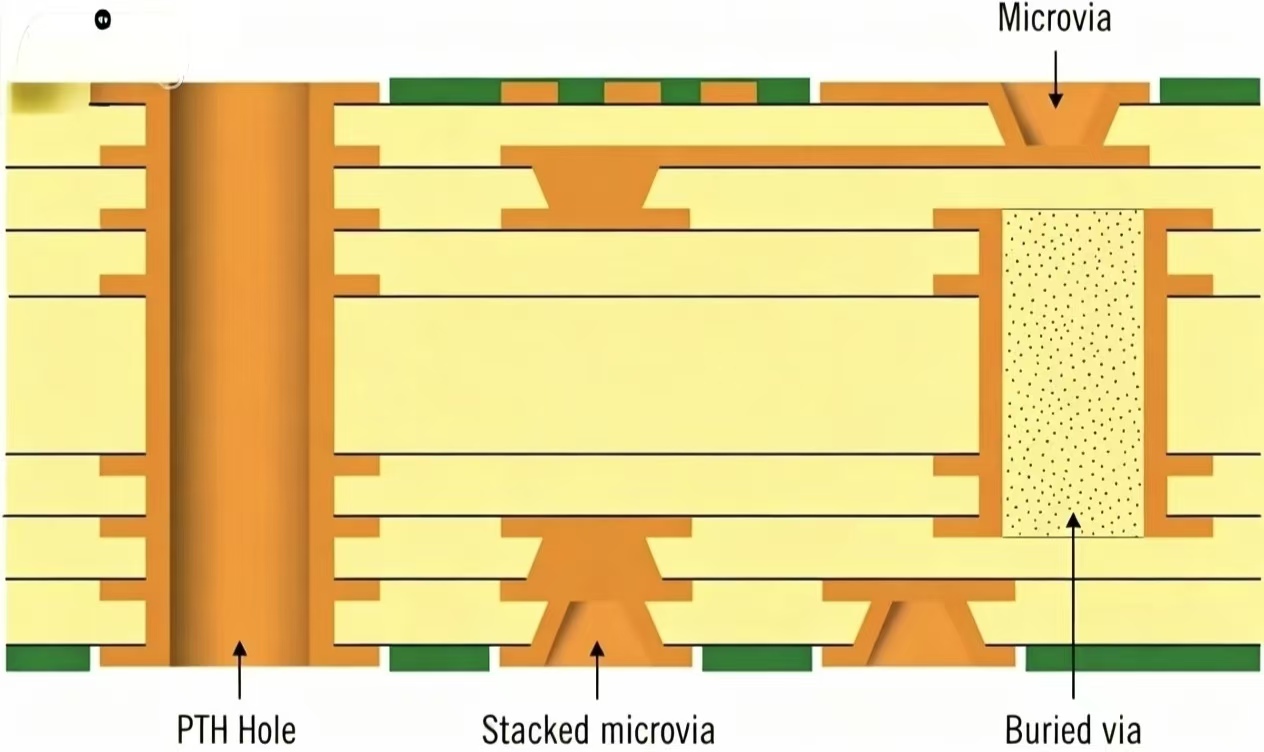
Because a prototype can be built with several different processes, the one that will actually be used should be confirmed before the order is placed rather than after the boards arrive. The relevant question is whether the shop can produce the design within the process it has assigned: the minimum feature size, the finish, and any special requirement such as a via in pad or a controlled impedance.
The second thing to confirm is the test. Flying probe test verifies continuity and isolation on every net against the netlist, which is the check that catches a design error as well as a fabrication error. A board that was only visually inspected may be perfect, and it may also be missing a connection the designer intended; the difference between those two cases is not visible until assembly. Which alloy the process uses is another choice that has to be settled before the order, and it is discussed in lead-free versus leaded solder.
What to Check Before Sending Data
A few minutes of review before submission prevents most of the back and forth. Confirm that the gerber data includes an outline layer that is present and unique, that the legend does not overlap any pad, that the mask and paste layers agree, and that the via treatment matches what the design needs. Confirm that the laminate, copper weight, and finish that were specified are the ones the stackup and the assembly plan assume. And confirm that the quantity is a multiple that fills the panel the shop will use.
It is also worth sending the process requirements as a document alongside the data, rather than relying on notes embedded in the files. A separate one-page specification is easier for the shop to act on, easier to compare between orders, and easier to hand to a different supplier if the first one cannot deliver.
Working With the Shop
The last consideration is the working relationship itself. Talk to the shop engineer as well as to the sales contact, because the engineering question that arrives during data preparation is the one that decides whether the board is built correctly. A shop that raises the question, rather than assuming an answer, is a shop whose lead times mean something.
That is the practical summary. PCB prototyping is a process that produces a small number of boards quickly enough for the results to be useful, and the supplier’s job is to run that process predictably. Choosing on price alone optimizes the smallest part of the total cost, because the true cost of a prototype is the schedule it consumes. Related background is collected in multilayer PCB prototype requirements and in PCBA development process.
Why a Prototype Is Worth Doing Properly
The purpose of a prototype is to answer questions, and the questions it can answer are limited by how faithfully it represents the final product. A prototype built with a different laminate, a thinner copper weight, or a cheaper finish answers a question about a board that will never be manufactured at volume. Where the only difference is the quantity, the prototype is a genuine preview. Where the material or the process differs, the results have to be read with that difference in mind. The same reasoning applies to assembly: a hand-soldered sample does not test the reflow profile, and a board checked only for continuity does not test the impedance.
The practical conclusion is that a prototype order should be specified as if it were a production order, with any intentional differences stated explicitly rather than left implicit. That way the results transfer, and the second order becomes a repetition instead of a second learning exercise.
FAQ
Why confirm the process before ordering? Because the process decides whether the design can be built at all, and because a design that needs special handling at one step has a schedule that depends on that step rather than on the standard flow.
Is flying probe testing worth the cost? On a dense board, yes. It verifies every net against the netlist, which catches design errors as well as fabrication errors.
Why send a specification document with the data? A one-page specification is easier to act on and easier to compare between orders, and it moves the questions to the point where they are cheap to answer.
What single factor most affects the price? The minimum feature size, because it decides which process the board is built on. Layer count is second, because it multiplies that process.