PCB Lead Time: What Really Drives the Schedule
Lead time is the question every purchase engineer asks and the answer that is hardest to give precisely, because it depends on the board, the quantity and the factory rather than on a single figure. Understanding what actually consumes the days makes the schedule predictable, and it makes the difference between a quotation that holds and one that slips.
Why There Is No Single Number
A simple two layer sample can be delivered in a couple of days, while a twelve layer board with a special finish and a controlled impedance requirement can take weeks. Both are described as PCB fabrication, and the processes behind them share little beyond the basic idea.
The practical approach is to break the schedule into parts: the queue at the factory, the process steps the board requires, the material procurement, the test and inspection, and the shipping. Each of those can be estimated separately and each has a different sensitivity to the order details.
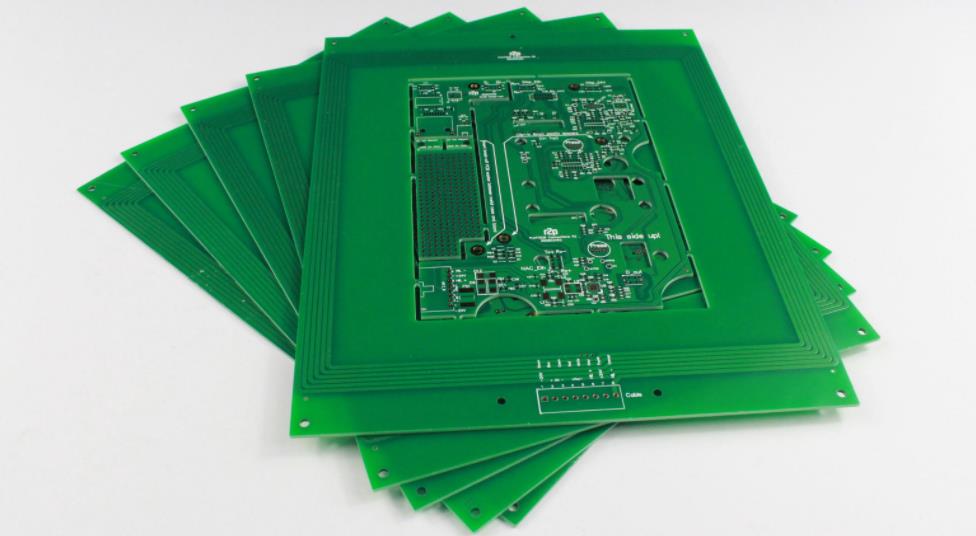
<img src="https://www.gopcba.com/wp-content/uploads/2025/05/dip.jpg" alt="PCB production panel moving through a fabrication line” />
Layer Count and Quantity
Layer count adds process steps. A double sided board needs drilling and plating once, while an eight layer board needs multiple lamination cycles, more imaging steps and tighter registration, and the queue time between those steps accumulates.
The order quantity changes the picture in the opposite direction. A small sample is often handled as a quick turn item, while a layer stackup produced in volume enters the normal production schedule, where the board waits its turn behind other work even though the unit processing time is short.

Factory Type Matters
Factories position themselves deliberately. Quick turn houses are set up for simple double sided and four layer prototypes and can turn them around very quickly, but they are not the right source for volume. Volume houses for simple boards are efficient on large orders and slow on samples.
Specialist multilayer factories handle impedance controlled boards and difficult processes well, though their lead time on ordinary two layer work is longer than a quick turn house. Large integrated factories serve major OEM programmes and schedule accordingly, so a small order placed there may wait a month or more.
Special Processes That Add Days
Special features add time individually, and the effects accumulate. A half hole or castellation typically adds about two days, a countersink or a controlled depth drill adds a day, and edge plating or a metal wrapped edge adds closer to two.
On the finish side, nickel palladium gold adds roughly a day, and a combination of immersion gold with an organic preservative adds about two. Resin plugged vias, which are common on via filling work, add two to three days, and controlled impedance adds about one.
Material Availability
Ordinary FR-4 is stocked in every thickness and copper weight, so it rarely delays an order. High frequency laminates, high glass transition materials, thick copper and unusual panel sizes are ordered in, and the procurement time belongs to the customer’s schedule rather than to the factory.
The same applies to heavy copper. A board that needs two or three ounces per layer consumes more material and more etching time, and the quotation should state the copper weight explicitly so that the material is reserved rather than assumed.
Data Completeness and Engineering Queries
The most common avoidable delay is a question. An impedance requirement without a tolerance, a drill file that mixes plated and non-plated holes, or a stackup that does not add up to the stated thickness all trigger an engineering query, and the order does not start until it is answered.
Mixed lamination and special drilling should be flagged in the notes rather than left for the fabricator to discover, because a board that is started on the wrong assumption has to be restarted. A complete package is the cheapest way to shorten the schedule.
Test, Inspection and Documentation
Electrical test against the netlist is usually included, but its scope varies. Testing at a higher class, adding impedance coupons or requiring a first article report each adds a step, and destructive analysis such as cross sectioning a coupon adds another.
Documentation follows the same rule. A certificate of compliance is routine, while material declarations, traceability records or specific test data take time to compile and should be requested at the quotation stage rather than at shipment.
Panelisation, Shipping and Delivery
The delivery date is not the day the boards are finished. Panelisation has to be confirmed, the boards are arranged on a production panel, packed to protect the surface finish, and the shipment has to clear export and customs before it arrives.
Shipping method then becomes part of the schedule. An express courier can save a week compared with economy freight, which matters on a prototype where the assembly house is waiting, and it is usually the cheapest way to recover time at the end of a project.
Planning With Realistic Dates
Ask for the lead time in writing with the specific board parameters rather than a generic figure, and ask what would have to change to reduce it. Often the answer is a simpler finish, a relaxed tolerance or a slightly different stackup rather than a different supplier.
Build contingency into the plan for the first order with a new supplier. The second order is usually faster because the process is established and the storage and handling requirements are known, and that repeatability is worth more than a marginally shorter first delivery.
Rush Services and What They Cost
Expedited service moves the order to the front of the queue and shortens the intervals between process steps. It does not remove the steps themselves, so a board that requires multiple laminations will still take longer than a simple one, however much is paid.
The premium is significant and it rises with the reduction requested. Rush service is worth it when a build is waiting on the boards, and it is wasteful when the schedule already contains slack, which is why the critical date should be identified before the order is placed.
Talking to the Supplier About Dates
Give the supplier the date the boards are needed rather than the date they are wanted, and state what happens downstream. A fabricator that knows an assembly line is booked will flag a risk earlier and suggest a change that preserves the schedule.
Ask for the ship date in writing, and ask which parts of the process are on the critical path. The answer identifies whether the constraint is the lamination cycle, the finish, the material or a test step, and each of those has a different remedy.
Common Reasons Delivery Dates Slip
Revisions after the order is placed are the most damaging, because work already completed is repeated. An engineering change during fabrication almost always costs more time than the same change made before the order was released.
Material surprises follow. A laminate that was assumed to be in stock, a copper weight that was not specified, or a surface finish that is not available on the panel size requested all push the start of the process back, and none of them are visible in the artwork.
FAQ
How long does a four layer prototype take? Typically about six to seven days for a small quantity, with simple double sided boards closer to two or three. Special finishes and impedance control add days on top.
Why is a large order slower than a sample? Because it enters the normal production schedule. The process time per panel is similar, but the queue is longer and the order is planned alongside other work.
What can I do to shorten the lead time? Send a complete data package, avoid unnecessary special processes on the first article, and confirm the material and finish before the order is placed rather than after.