Conformal Coating Application: Masking, Jetting and Coverage
Conformal coating protects an assembly from moisture, contamination and corrosion, and it does so only where it covers the surface completely. The application method determines whether the coverage is complete, and the masking determines whether the parts that should not be coated remain clean.
What the Coating Must Achieve
The coating must adhere to the board, the components and the solder joints, remain continuous over the whole area it protects, and survive the temperature range and the chemicals of the application.
Coverage means coverage of the surface, which includes the sides of components, the space under a component that stands off the board, and the inside edges of the mask dams. A coating that spans from one pad to another without touching the board beneath provides no protection at the interface.
The thickness must be within the specification, because both too thin and too thick cause problems. Too thin leaves the coating vulnerable to pin holes, and too thick can crack during thermal cycling.
Masking: What Must Stay Clean
Connectors, test points and any surface that must make an electrical connection later must be masked. So must any area where the coating would prevent a thermal path, such as a pad that contacts a heatsink.
Masking is done with tape, with a peelable compound, with a boot or with a machined mask. The choice depends on the geometry and on the volume.
Masking is the largest source of rework in a coating process, because a mask that leaks allows coating onto a connector, and a mask that is applied late allows coating onto a surface that was already contaminated. Our conformal coating notes describe the masking schemes used for common assemblies.
Application Methods
Spraying gives even coverage over a large area and requires masking of everything that must stay clean, including the far side of the board. It is fast and it produces a thin, uniform layer.
Dipping coats the whole assembly and is thorough where the geometry allows the material to drain, but it is difficult to control the thickness on tall components and it wets everything.
Selective application with a dispense valve or a jet places the material precisely, which reduces the masking requirement dramatically. It is slower per board and it is the method that scales best to a mixed assembly with many keep-out areas.

Viscosity, Cure and the Process Window
The material has a working life after mixing and a viscosity that changes with time and temperature. A material that has thickened will not flow under a component, which is exactly where the protection is needed.
Curing follows the material specification, and the required cure depends on the thickness and on the shadowed areas. A coating under a component cures more slowly than one in the open, and the manufacturer’s schedule usually assumes a thickness and a geometry.
Where the cure is by ultraviolet light, the shadowed areas are the problem, because light cannot reach them. A secondary moisture or thermal cure is needed for those regions, and the specification must include it.
Inspection and Coverage Verification
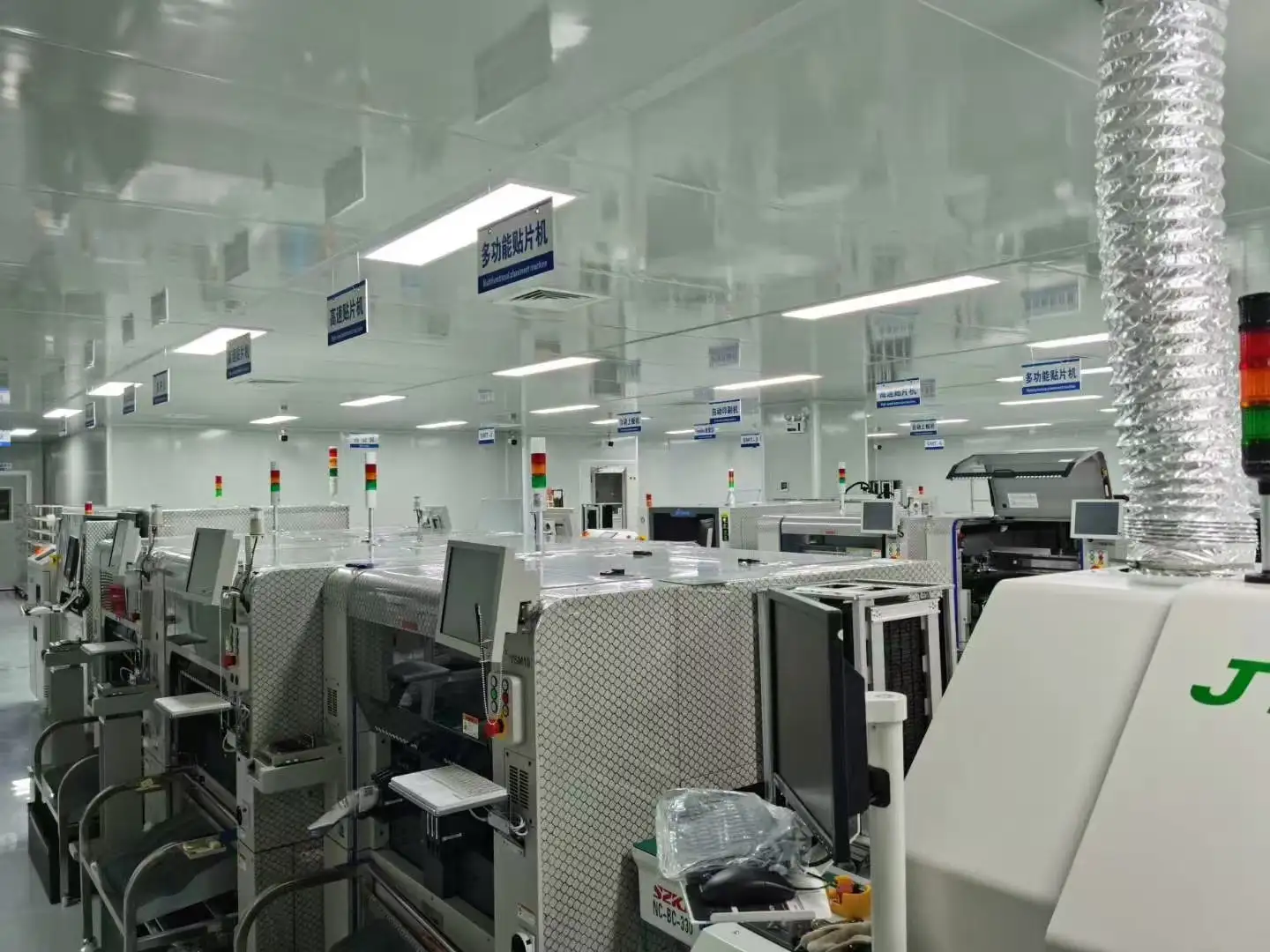
Visual inspection under ultraviolet light reveals the coating by its fluorescence and shows the areas that are bare. It is a quick check and it does not measure thickness.
Thickness measurement is done with an ultrasonic gauge on a sample, or by curing a coupon alongside the boards and measuring that. Our coating inspection notes describe the methods and their limits.
The most sensitive check is a functional one: a humidity or condensation test on a coated assembly compared with an uncoated control. Where the coating is the protection strategy, that test is the evidence that the strategy works.
Defects and Their Causes
Pin holes come from bubbles in the material, from contamination on the surface or from a spray pattern that does not overlap. They are the most common defect and the hardest to see.
De-wetting, where the coating pulls back from a surface, indicates contamination, often flux residue that was not removed. The remedy is cleaning before coating rather than adjusting the coating process.
Cracking appears after thermal cycling where the coating is too thick or where the coefficient of thermal expansion differs greatly from the board. Our inspection notes describe how the accompanying defects appear optically.
Where the Coating Fits in the Sequence
Coating is applied after all soldering and after any cleaning, and before final assembly of parts that must not be coated. It cannot be applied over a contaminated surface and it cannot be applied over a joint that will be reworked.
The assembly documentation should state the areas to be coated, the areas to be masked, the required thickness and the cure schedule. Our design release checklist notes where these requirements are recorded so that they reach the coating station.
Rework after coating requires the coating to be removed locally, which risks damaging the surface beneath. Where rework is expected, the design should leave the rework areas uncoated or make them accessible.
Additional Considerations for This Build
Practical attention to jetting pays for itself here, because it decides whether the finished board behaves as the drawing intended. Where the requirement is not stated on the fabrication drawing or in the assembly notes, the shop has to assume a default, and that default is rarely the value the design was simulated with. Stating jetting explicitly, together with the tolerance that applies, removes the assumption and keeps the result predictable from batch to batch.
Process Control and Verification
On a design of this kind, masking is the item that decides how the rest of the board is arranged. The measurements that matter are the repeatable ones: conductor width and spacing, annular ring, finished hole size, plating thickness and surface finish are all verifiable on a coupon that travels with the panel. Running a first article through the same checks as the production panel confirms that the two agree, and that comparison is the cheapest form of process control available at prototype stage.
Keeping a sample from the panel turns a dispute into a measurement, because the same coupon can be re-examined by both parties without rebuilding the batch. Reviewing the design before the data is released is cheaper than correcting it after the panel is in the tank, because every step downstream inherits the decision made at the front end.
Process Control and Verification
On a design of this kind, masking is the item that decides how the rest of the board is arranged. The measurements that matter are the repeatable ones: conductor width and spacing, annular ring, finished hole size, plating thickness and surface finish are all verifiable on a coupon that travels with the panel. Running a first article through the same checks as the production panel confirms that the two agree, and that comparison is the cheapest form of process control available at prototype stage.
FAQ
Does coating replace a sealed enclosure? No. It protects the surface from moisture and contamination, and it cannot protect against immersion or condensation that the enclosure allows to accumulate.
Can coating be applied over flux residue? It can be applied, and it will not adhere properly. Cleaning before coating is a requirement rather than a recommendation.
What does gopcb provide for conformal coating? We provide selective application with masking schemes matched to the assembly, cure records that account for shadowed areas, ultraviolet and thickness inspection, and humidity testing where the coating is the protection strategy. Where coverage cannot be verified by inspection, we propose a coupon method before the boards are coated.