PCB Fabrication Lead Time and Schedule Planning
Fabrication lead time is a design variable that most projects discover too late. A stack up that requires a specialty laminate, a finish that only two shops can apply or an aspect ratio at the edge of capability all add weeks, and those weeks are usually recovered by cutting the validation instead.
Planning the lead time means understanding which features drive it, and choosing them deliberately rather than accepting whatever the layout produced. In most projects, the schedule is set by a handful of decisions that could have been made differently at no cost to the product.
What Determines the Lead Time
Standard lead time covers the queue, the tooling, the imaging, the plating, the etching, the solder mask, the finish and the test. The queue is the largest and the least visible part, because it changes with the shop’s loading rather than with the board.
Anything that adds a process step adds both its own duration and its queue. A second lamination, a sequential build, an edge plating operation and a pressed fit hole specification all extend the path.
Layer Count and Stack Up Complexity
The number of layers sets the number of imaging and lamination cycles, so a board that goes from six to ten layers adds several steps. A stack up that requires an unusual core thickness or an asymmetric build adds more, because the shop has to source material and control the warp.
Where the layer count can be reduced by better routing, the saving in lead time is usually larger than the saving in material cost. Floor planning the routing at the start of a project is the cheapest way to keep the layer count low.
Material Availability
A standard FR4 laminate in a common thickness is in stock at most fabricators, while a high frequency or a high glass transition material may have a lead time of its own that is longer than the fabrication. That lead time is invisible in the fabrication quote.
The material should be confirmed as available before the stack up is frozen, and an alternative should be identified at the same time. Substituting later invalidates the impedance data and may require a new coupon.
Aspect Ratio and Hole Size
The aspect ratio of a plated hole, taken as board thickness divided by hole diameter, limits which shops can build the board and slows the plating cycle. A high ratio needs better chemistry control and sometimes a longer plating time, both of which add days.
Reducing the board thickness or increasing the hole size are the two levers, and both are usually available if the aspect ratio is considered while the stack up is being chosen.
Surface Finish and Its Consequences
Some finishes are applied in a single pass while others require a dedicated line and a longer cycle. An immersion finish follows the copper well and handles fine pitch, while a hot air levelled finish is faster but less suitable for small features.
The finish also affects the assembly schedule, since a finish with a short shelf life has to be used within a window. A short life finish on a board that will sit in stores for a month is a scheduling problem disguised as a technical choice.
Impedance, Coupons and Test Requirements
Controlled impedance requires a coupon, a measurement and often a rework loop if the first panel does not meet the tolerance. The coupon adds a step to every panel and the measurement adds time, so the requirement should be justified by the design.
Flying probe and fixture test both add time, and a fixture adds a tooling lead time that is often longer than the board itself. Where a product is expected to run for years, the fixture is worth ordering early.
Special Processes
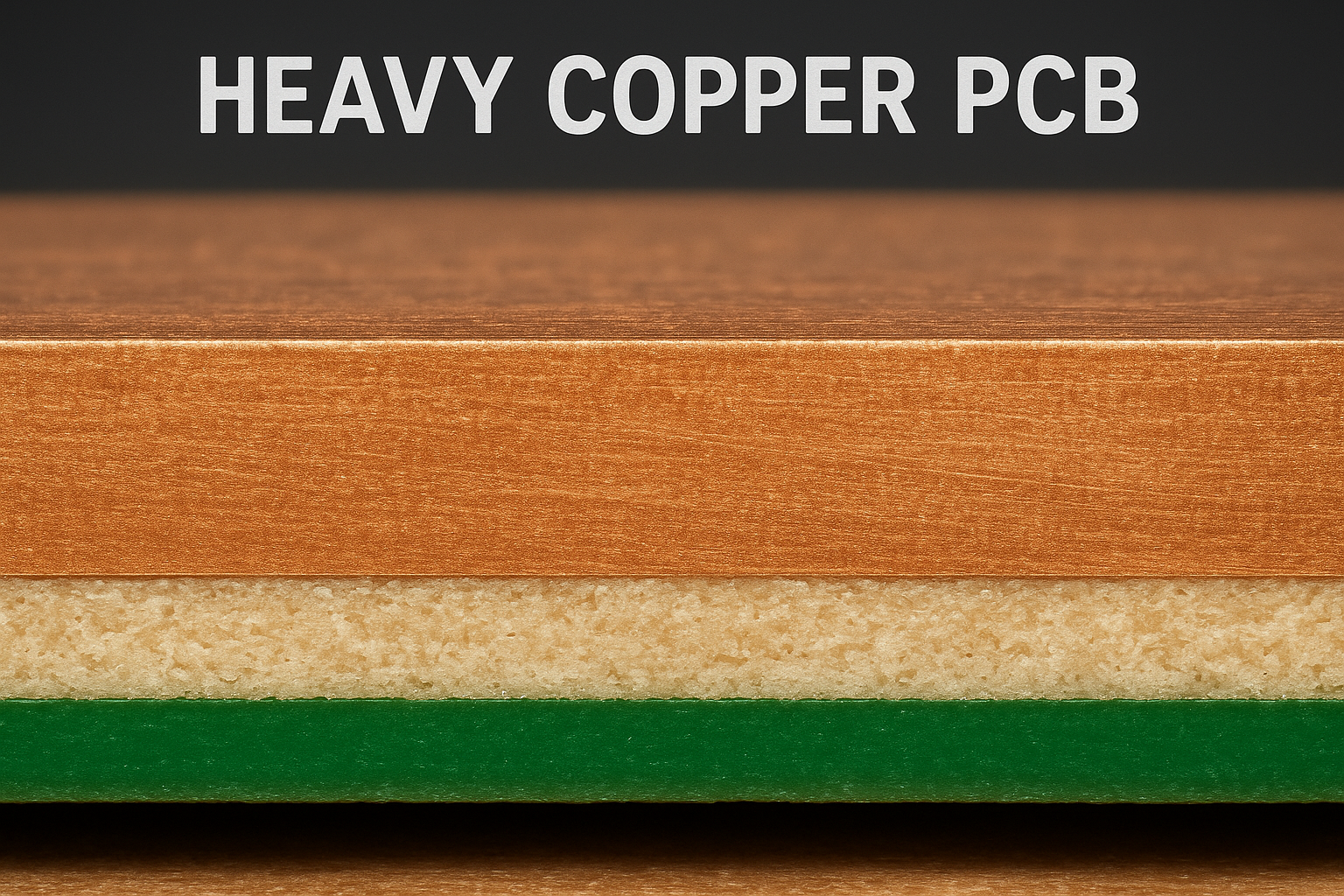
Edge plating, castellations, buried resistors, heavy copper and cavity construction are all features that reduce the number of shops able to quote and increase the time to build. Each one should be justified against a cost and a schedule.
Where a special process is essential, it should be identified during the concept phase so that the fabricator can be selected early. A feature that is added after the layout is complete can turn a two week build into a six week one.
Documentation and Release Quality
A complete data package with a clear stack up, defined tolerances and no conflicting notes is processed faster because the shop does not have to ask questions. Engineering queries add days, and each one stops the job while it is open.
The checks that prevent those queries are the ones described in the design release checklist and the fabrication notes review, both of which are cheaper than a stalled order.
Prototype, Pilot and Production
A prototype build can often be accelerated by accepting a higher cost, a simpler stack up or a relaxed tolerance. The acceleration should be a decision rather than an accident, and the prototype design should not become the production design by default.
Pilot builds exist to validate the process rather than the design, and their lead time should include the time to analyse the results. A pilot that is scheduled with no time for analysis produces a schedule slip later.
Managing the Schedule
The fabrication order should be placed with the assembly and test requirements known, so that the coupons, the panel layout and the finish are all correct at the first attempt. A second order to correct a mistake costs more than the original in both money and time.
Where the schedule is tight, the useful action is to remove a feature rather than to push the shop. Rush charges buy queue position, and they do not buy process capability.
Process Control and Verification
On a design of this kind, design release is the item that decides how the rest of the board is arranged. Running a first article through the same checks as the production panel confirms that the two agree, and that comparison is the cheapest form of process control available at prototype stage. Keeping a sample from the panel turns a dispute into a measurement, because the same coupon can be re-examined by both parties without rebuilding the batch.
Reviewing the design before the data is released is cheaper than correcting it after the panel is in the tank, because every step downstream inherits the decision made at the front end.
Related reading: our fabrication notes, board quality and design release notes cover the same ground.
A first article check confirms that the process and the drawing agree on the points listed above, and that the coupon data supports the values used in the design.

Where a measurement falls outside the expected window, the sample is retained so that the cause can be established before the balance of the batch is released.
A first article check confirms that the process and the drawing agree on the points listed above, and that the coupon data supports the values used in the design.
Where a measurement falls outside the expected window, the sample is retained so that the cause can be established before the balance of the batch is released.
FAQ
What single feature adds the most lead time? Usually a non standard material or a special process rather than the layer count, because both can require the shop to order in material it does not hold.
Can a rush order shorten any lead time? It shortens the queue, and it does not shorten the process, so it helps most when the shop is busy and little when the board is complex.
Should the prototype use the production stack up? Wherever possible, because a change of stack up invalidates the impedance and thermal data gathered on the prototype.
How can the schedule be protected? By releasing a complete package early, ordering long lead materials first and keeping the number of special features to those the product actually needs.