
Bga Rework: Design Rules and Process Limits
BGA rework is a soldering process performed on an assembly that already exists, and that single fact changes everything about it. The board is populated, so it cannot be handled like a bare panel; the neighbouring parts are already attached, so they must be protected; and the heat has to reach one device without disturbing the rest. A rework station is only as good as the preparation and the profile that support it.
What Makes Rework Different from Assembly
In a reflow oven the whole board heats together and every joint reaches its temperature at roughly the same time. In rework the heat is delivered from one side or from both, and the operator has to compensate for the fact that the board acts as a heat sink that pulls energy away from the site.
That difference is why a rework profile is measured on the site rather than copied from the assembly profile. The oven curve describes an equilibrium the rework station never reaches, and a machine set to the same peak will still produce a different result under a ball grid array.
Preheat and Board Support
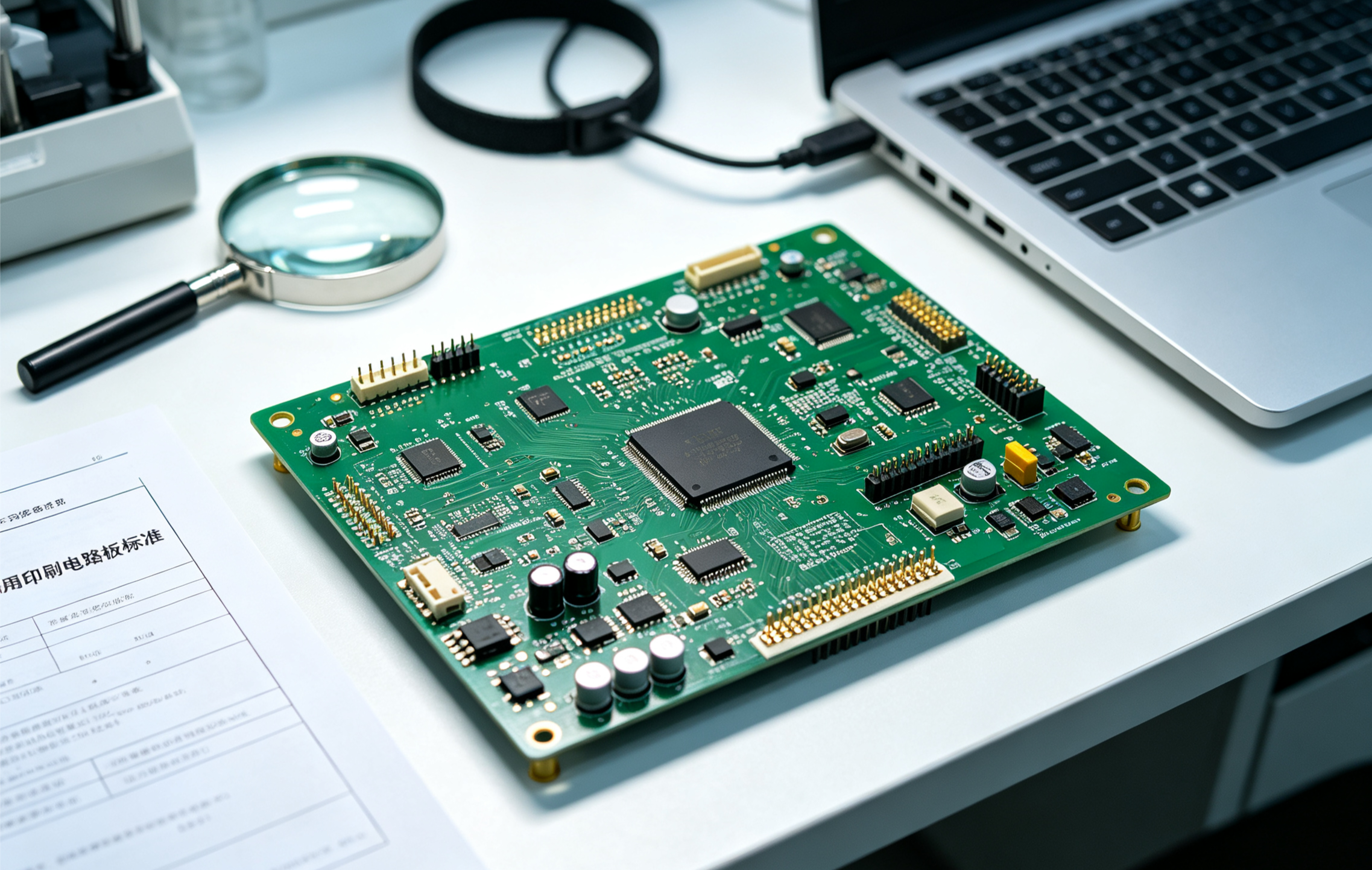
Preheat comes from below in most stations, and its job is to raise the whole area around the site to a temperature that reduces the demand on the top heater. Without it the top heater has to deliver far more energy, the gradient across the board grows, and the risk of warpage rises with it.
Support matters as much as heat. A board that is not held flat will bow as the temperature rises, and a bowed board lifts the outer rows of balls away from their pads at exactly the moment the alloy is molten. A vacuum support or a set of adjustable posts keeps the site in plane.
<img src="https://www.gopcba.com/wp-content/uploads/2026/08/biodegradable-pcb-1.webp" alt="BGA rework station with a bottom preheater and a top hot air nozzle” />
Nozzle Selection and Airflow
The nozzle determines where the hot air goes rather than how hot it is. A nozzle that is too small concentrates the flow on the package centre and starves the edges of the ball array, while one that is too large spills hot air over adjacent parts and disturbs them.
Airflow rate is the second variable. High flow transfers heat quickly but can lift a light component or blow a neighbouring part out of position, so the lowest flow that still meets the profile is normally the right choice. Flow should be reduced further when the board carries parts that are already soldered nearby.
Developing a Thermal Profile for Rework
A rework profile is developed with thermocouples on the site itself, under the package where possible, and above all at the ball interface rather than on the package surface. Measuring the top of the package measures the air, and the difference between the two can be tens of degrees.
The profile should be built from the bottom up: preheat first, top heat second, and a short hold at peak to complete the joint. A soak is often needed because the site has a large thermal mass, and the solder needs the whole volume of a ball to reach liquidus at the same time. A profile that is transferred from another station should be treated as a starting point only, since the airflow pattern, the plenum size and the support all differ between machines.
Site Preparation and Pad Cleanliness
Once the package is removed, the site has to be dressed. Residual solder is taken off with a wick or a low temperature iron, the pad is levelled, and the flux is cleaned away so the surface does not hold a layer of burnt residue under the new balls.
A pad that is not flat will not form a reliable joint however good the profile is, and a pad that has been overheated loses its finish and wets poorly. The condition of the site is the single largest cause of rework that has to be repeated.
Removing the Package Without Damage
Removal begins when the alloy is fully molten, and pulling earlier tears pads from the board. A small twist or a gentle vacuum lift is enough once the temperature is correct, and the operation should be quick to limit the time the neighbours spend above their own limits.
The temperature at which the package releases is a useful check on the profile. If the part lifts with difficulty the site is not hot enough; if the surrounding parts show distortion the profile has spent too long at peak or the airflow is too high.
Ball Placement and Reballing
Balls can arrive on the package as supplied, or they can be placed on the board with a stencil and a paste or flux transfer. The second route is normal for a package that has been removed and must be reused, and it takes practice because the balls are loose and the flux has to hold every one of them in place until the alloy melts. The technique is described in the guide to ball grid array reballing.
Whatever route is used, the ball count and the ball size must match the package, and placement has to be complete before heat is applied. A single missing ball will not appear until X-ray, and by then the package has already been through a full thermal cycle.
Inspection After Rework
Visual inspection confirms alignment and the absence of obvious bridging, but it cannot see the joint itself. X-ray is the standard method, and the useful comparison is against a known good board rather than against a mental image of what a joint should look like.
The acceptance rules for a reworked site are normally the same as those for the original assembly, and they should be stated before the work begins. Where the method and its limits are in question, the comparison of X-ray and optical techniques is worth reviewing.
Documentation, Cost and Return Decisions
Each rework should be recorded with the board serial number, the package, the profile used, the operator and the inspection result. The record supports the traceability that many customers require, and it shows whether a particular package or board design keeps returning to the station. A repeated return usually points upstream, to a stencil aperture that prints too little paste or to a placement offset, and the station data is often the first place that pattern becomes visible.
Rework is expensive, and there is a point at which scrapping the board is the cheaper decision. A site that has been dressed several times, a board with lifted pads, or one that has been through more than the permitted number of cycles is usually better replaced than reprocessed. The defect patterns behind those decisions are collected in solder defects and board failures.
FAQ
Can the assembly reflow profile be used for rework? Not directly. The station delivers heat from one direction, so the local curve differs even when the peak matches. The profile has to be measured on the site with thermocouples and adjusted for board thickness and surrounding copper.
How many times can a board be reworked? The limit comes from the copper and the pad finish rather than from the package. Most specifications allow a small number of cycles at a site, and a pad that has been dressed several times should be treated as suspect whatever the count says.
Is preheat from below always necessary? It is for a large package on a thick board, because the top heater alone cannot reach the ball interface within a reasonable time. On a thin board with a small package a shorter preheat can be enough, but the decision should follow a measured profile.