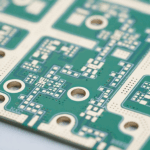
Rework Station Thermal Control and Profiles
Rework heats a small area of an assembled board, and controlling that heat is harder than controlling a reflow oven because there is no enclosure. The station, the preheater and the operator together decide whether the joint is made and whether anything nearby is damaged.
What the Station Has to Deliver
The station delivers heat to the joint, and the important figures are the rate at which it can supply heat, the area over which it applies it and the control over the temperature. A station with a large airflow and a tight control is easier to use than one with less of both.
The nozzle and the airflow pattern decide where the heat goes. A concentrated stream heats the joint and a wide one heats the neighbourhood, and the choice follows the density of the board. Our joint criteria notes define the result the rework has to achieve.
Bottom Side Preheat
The preheater raises the whole area to a temperature below the melting point, so that the top side tool only has to add the last part of the heat. That reduces the top side dwell and the risk to the neighbouring components.
The preheat temperature is measured on the board rather than set on the dial, because the dial reports the heater and not the work. A board with a ground plane reaches a different temperature from one without at the same setting. Our thermal measurement notes describe how that measurement is taken.
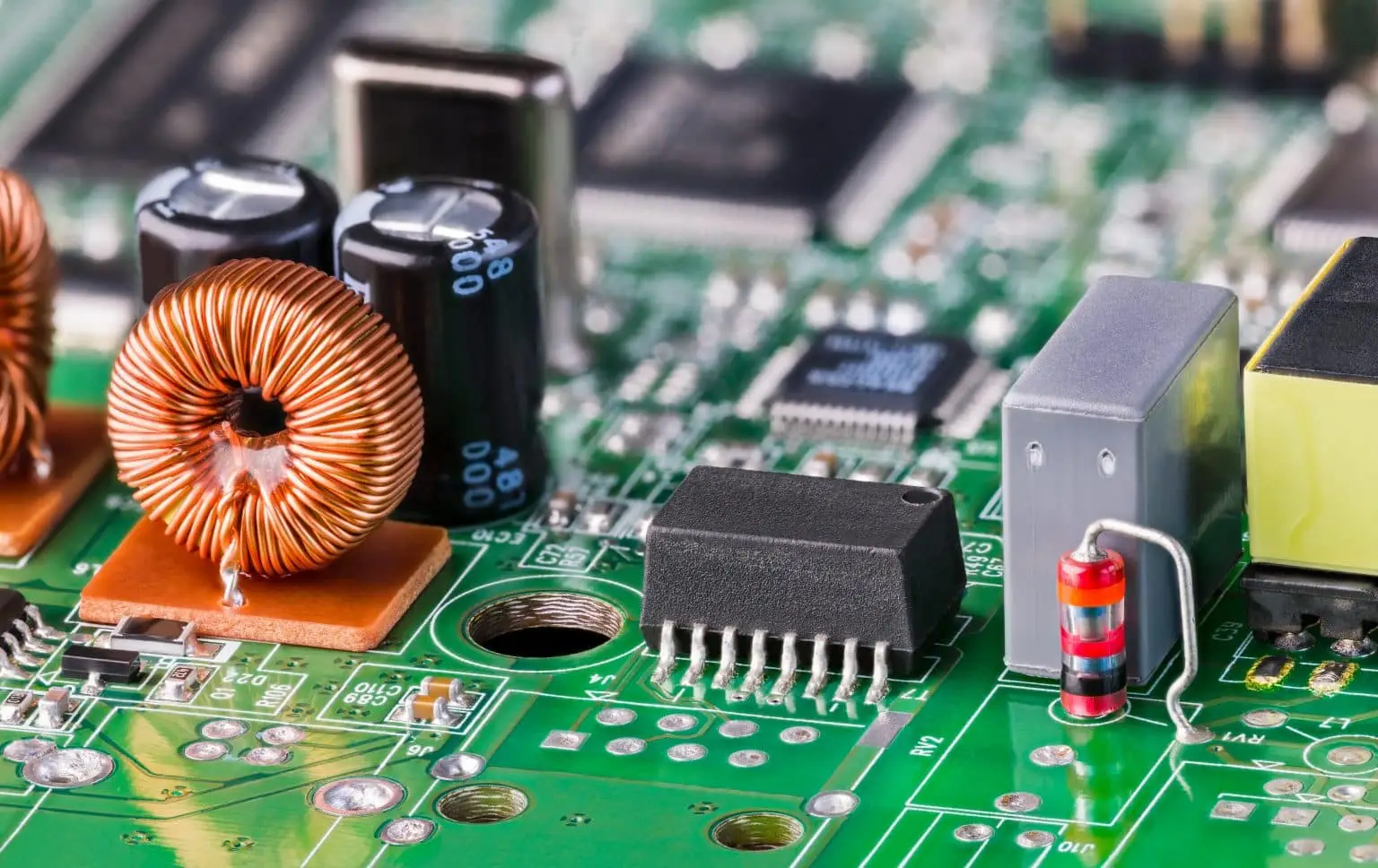
Profiles for Rework
A rework profile has the same shape as a reflow profile and a much shorter time, because the heat is applied locally. The soak is used to bring the site up, and the time above liquidus is kept short to limit the damage to the laminate and to the neighbouring joints.
The profile is measured with a thermocouple attached at the joint, which is difficult on a small pad and is worth the effort on a critical one. A profile that is set from the station display describes the tool rather than the joint. Our <a href="https://www.gopcba.com/reflow-oven-profile-verification/” title=”profile”>profile notes describe the same principle in a different machine.
Some components have a maximum temperature that is lower than the reflow peak, and a rework beside them can exceed it. The list is product specific and it belongs in the instruction rather than in the operator’s memory.
Where a sensitive part is close to the site, the options are shielding, a lower preheat, a shorter top side dwell or removal of the part. Each changes the profile, so the choice is made before the profile is set.
Moisture and the Popcorn Risk
A part that has absorbed moisture and is heated quickly can delaminate internally, and the failure appears as a crack rather than as a joint defect. The rework profile is a thermal excursion like any other, so the moisture sensitivity rules apply to it.
Where the board has been in store, the bake that the assembly floor life requires applies to rework as well. Baking a board that has been assembled is limited by the components, which is one reason the floor life is tracked.
Process Control and Verification
On a design of this kind, thermal is the item that decides how the rest of the board is arranged. Documenting the assumption is part of the design work, and a short note on the drawing prevents a question that would otherwise arrive a day later and cost a day of schedule. The process window is set by the narrowest step in the flow, so an improvement anywhere else shows up as margin rather than as yield until that step is addressed.
A short note on the drawing about handling, storage or packaging is often worth more than an extra decimal place on a tolerance. Where a value sits close to a process limit, the drawing should say so, since the shop can then open the process window rather than working to a nominal figure that carries no tolerance.
A stack-up that is drawn rather than described removes most of the ambiguity from a quotation, and it lets the fabricator price the board against the dielectric and copper weights that will actually be used. Where the requirement is not written down, the shop supplies its own default, and the default is chosen for the process rather than for the design.
The measurements that matter are the repeatable ones: conductor width and spacing, annular ring, finished hole size, plating thickness and surface finish are all verifiable on a coupon that travels with the panel.
Process Control and Verification
On a design of this kind, thermal is the item that decides how the rest of the board is arranged. Documenting the assumption is part of the design work, and a short note on the drawing prevents a question that would otherwise arrive a day later and cost a day of schedule. The process window is set by the narrowest step in the flow, so an improvement anywhere else shows up as margin rather than as yield until that step is addressed.
A short note on the drawing about handling, storage or packaging is often worth more than an extra decimal place on a tolerance. Where a value sits close to a process limit, the drawing should say so, since the shop can then open the process window rather than working to a nominal figure that carries no tolerance.
Process Control and Verification
On a design of this kind, thermal is the item that decides how the rest of the board is arranged. Documenting the assumption is part of the design work, and a short note on the drawing prevents a question that would otherwise arrive a day later and cost a day of schedule. The process window is set by the narrowest step in the flow, so an improvement anywhere else shows up as margin rather than as yield until that step is addressed.
Process Control and Verification
On a design of this kind, thermal is the item that decides how the rest of the board is arranged. Documenting the assumption is part of the design work, and a short note on the drawing prevents a question that would otherwise arrive a day later and cost a day of schedule. The process window is set by the narrowest step in the flow, so an improvement anywhere else shows up as margin rather than as yield until that step is addressed.
Verification of the Reworked Joint
The reworked joint is inspected to the same standard as the original, and by a person who did not do the rework where the practice allows. A joint that is inspected by the person who made it is judged against their intention rather than against the standard.
Where the joint is hidden, X-ray or a section is used. Our board quality notes describe how the reworked board is recorded.
Can a rework station match a reflow oven? For a single joint it can, and the control depends on the preheat and the operator rather than on the enclosure.
Is hot air or infrared better? Hot air delivers heat to the joint and infrared heats the surface, so the choice follows the geometry and the components around the site.
What does gopcb provide for rework? We provide preheat measured on the board, profiles measured at the joint, a list of temperature sensitive parts with the option chosen for each, moisture rules applied to the rework excursion, and inspection of the reworked joint to the original standard.