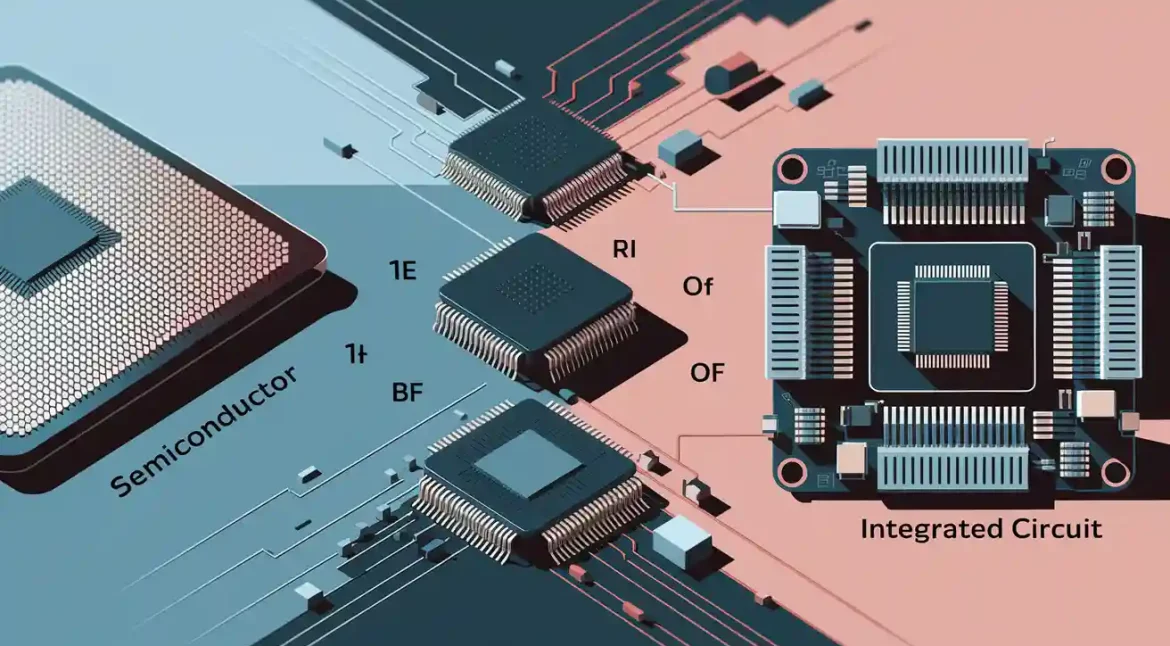
PCB Baking and Moisture Sensitivity
Plastic packages absorb moisture from the air. During reflow that moisture turns to steam, and the steam has nowhere to go until it finds a path, usually by cracking the package from the inside. Baking is the remedy, but a bake is a process step with its own limits, and applying it to the wrong parts can do more harm than good.
Why Moisture Causes Damage
Every plastic package absorbs water until it reaches equilibrium with its environment. The amount depends on the material, the package volume and the humidity, and it is measured as a moisture sensitivity level.
At reflow temperature the absorbed water vaporises. The pressure builds between the die paddle and the mould compound, and the package pops, which is where the term popcorning comes from. Even when the package survives, the same pressure can delaminate an internal interface and start a corrosion path.
Moisture Sensitivity Levels
The levels run from MSL 1, which needs no special handling, to MSL 6, which requires a bake before use. The level is part of the datasheet and should appear on the bill of materials along with the floor life.
Floor life is the time a package can stay out of dry storage after the bag is opened. It is not a suggestion; exceeding it means the part has to be dried again before reflow. Our article on component selection beyond the datasheet explains why these properties are part of the selection decision.
Dry Storage and Handling
Moisture barrier bags with a humidity indicator card are the normal delivery format for sensitive parts, and the card is the evidence that the bag was intact. Once opened, the clock starts, and the parts should be kept in a dry cabinet if the floor life is short.
The cabinet should be monitored, because a cabinet that has drifted is worse than no cabinet at all: it creates confidence without protection. Our article on solder paste storage and handling covers the parallel discipline for paste.
When and How to Bake
A bake drives the moisture out, and the temperature and time come from the supplier. Common conditions are 125 degrees for a day or 40 to 90 degrees for a much longer period, and the choice depends on the package and on the carrier tape.
The limits matter as much as the schedule. Tray and tape materials have their own temperature limits, and a bake that is hot enough to dry the parts may also be hot enough to deform the packaging they sit in.
Baking Boards Rather Than Parts
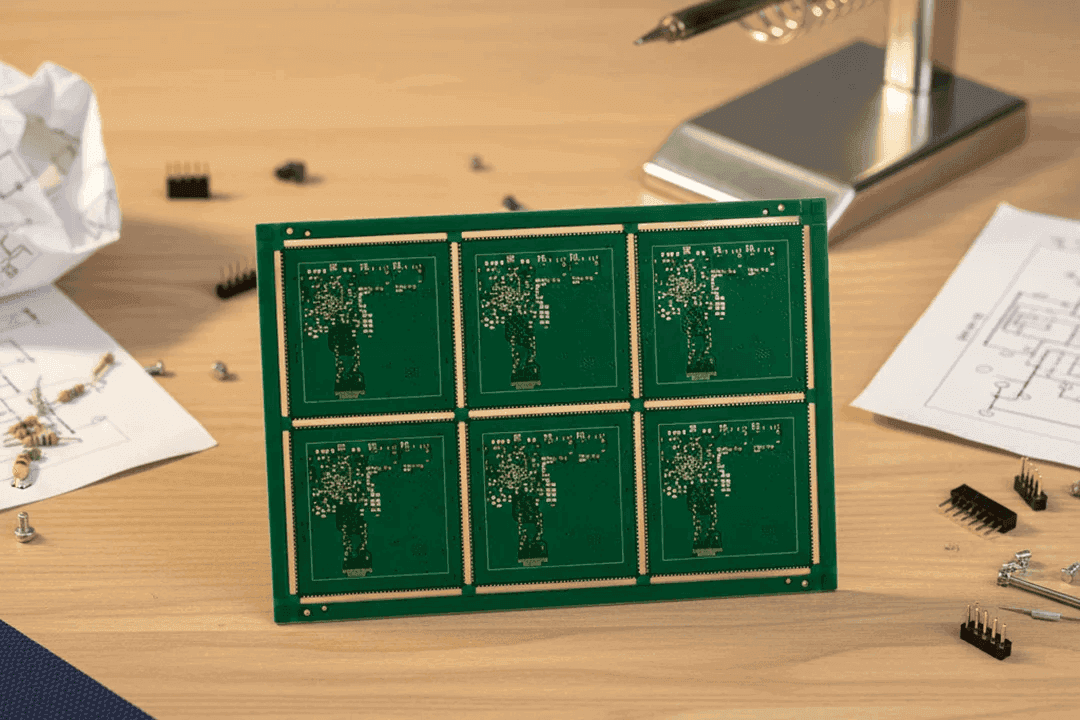
Bare boards absorb moisture too, and a board that has been stored in a humid environment can delaminate during reflow or during a soldering operation. A bake before assembly is standard practice for boards that have been exposed for a long time.
The same caution applies: the temperature has to be below the glass transition region that would affect the laminate, and repeated bakes have a cumulative effect. Our article on solderability storage effects describes the other changes that storage produces.
Records and Traceability
The date the bag was opened, the floor life used and any bake that was applied should be recorded against the lot. Without that record, a popcorning failure cannot be attributed to handling or excluded from the list of causes.
The record also supports the decision to scrap rather than rework, because a part that has been baked beyond its allowed cycles should not be used again. Our article on traceability labelling covers how the lot is identified on the product.
Preventing the Problem
The cheapest control is to keep the exposure short: open the bag when the line is ready, use the parts within the floor life and return the rest to dry storage. Scheduling is more effective than any bake.
Where the schedule cannot be controlled, a dry cabinet at the point of use is the next best answer. The cost is small compared with the cost of a reflow oven full of cracked packages.
Checks Before Release
Where two operations share a tolerance, the allocation between them should be explicit rather than left to whichever is measured first. The narrowest feature on the board usually sets the process window for the whole product, so it deserves the closest attention at review.
Where a requirement can be measured, it should be measured at the point of manufacture and recorded against the board or the lot it applies to. Sampling is a compromise between cost and confidence, and the sample size should follow from the failure rate that has to be detected.
Where a decision is made by judgement, a boundary sample makes the judgement repeatable between operators and between shifts. Where a process is at the edge of its capability, the margin should be bought deliberately rather than discovered during production.
A record that identifies the operator, the date and the settings is worth more than a record that identifies only the result.
Verification and Records
The first article confirms that the setup matches the intent, and it is the cheapest point at which a wrong setup can still be corrected. Where the supplier and the user both measure the same property, they should agree on the method before the first delivery.
Where an operation cannot be verified afterwards, it has to be controlled during the operation, and that control has to be visible in the record.
FAQ
Can any package be baked? Not always. The bake temperature has to be within the limit of the package and of the carrier, and some parts have a maximum number of bake cycles stated by the supplier.
Does a sealed bag need baking? No. A bag with an intact seal and a valid indicator card has kept the parts dry, so the floor life clock only starts when the bag is opened.
Is popcorning always visible? No. A package can delaminate internally without an external crack, which is why the moisture control is applied before reflow rather than relying on inspection afterwards.