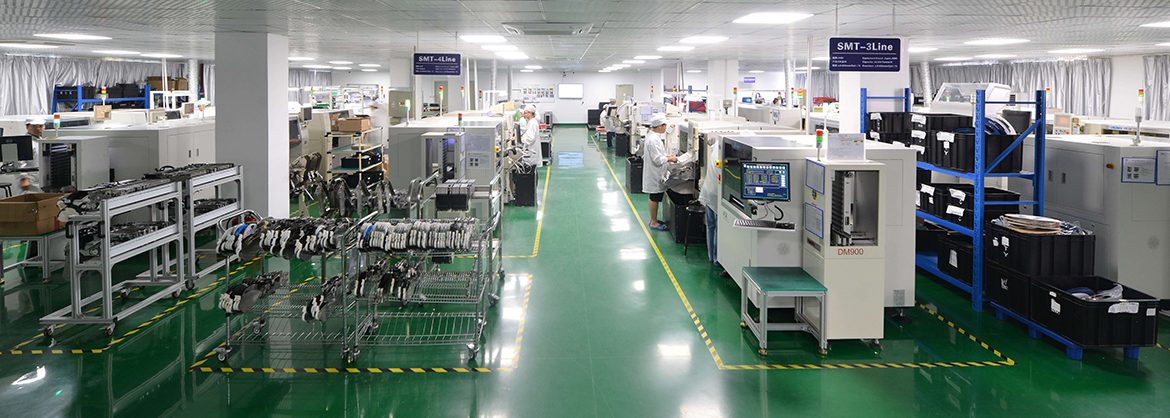
Packaging Shock Protection: 6 Rules for Shipping Boards
Packaging shock protection is the system of cushioning, boxes and handling rules that keeps a finished board intact between the end of the line and the customer. The damage it prevents is mechanical rather than electrical, and it appears as cracked components, chipped edges and broken solder joints, and the cost of getting it wrong shows up months later as a field failure.
Shock is different from vibration. Vibration fatigues a joint over hours, while a drop delivers a short, high acceleration that can break a component or a track in one event. The packaging has to handle both, and the way it does so is measured rather than assumed, because neither can be inspected into a package after the fact.
<img src="https://www.gopcba.com/wp-content/uploads/2026/08/9-1.png" alt="Packaging shock protection with foam cushioning for PCB panels” />
What Packaging Shock and Shipping Damage Look Like
The obvious damage is a broken corner, a cracked ceramic capacitor or a bent connector. The hidden damage is a solder joint that has cracked internally and a track that has separated inside the laminate, both of which pass an electrical test and fail later.
Because the failures are intermittent, they are usually discovered at the customer rather than at the dock. That is the reason packaging is treated as a process with its own specification rather than as a purchasing decision, since one drop event affects a whole carton and spreads the failures across several boards.
Foam Cushioning Selection
Cushioning works by absorbing energy over a distance, so its thickness and stiffness have to match the weight of the load and the drop height it has to survive. A foam that is too soft bottoms out, and one that is too stiff transmits the shock almost unchanged. The right foam crushes progressively rather than collapsing at once.
Every material has a loading range where it performs well, and the supplier curve is the place to start. Foam that has been compressed for months in storage can also lose resilience, so ageing belongs in the evaluation as well and a sample should be retested after a year.
Box Design and Stacking
The box has to hold the cushioning in place and resist stacking loads in the warehouse. A box that bows under a stack transfers that load to the boards, and a box that is too large lets the contents move before the cushioning engages, so the carton should also be closed so that it cannot open during handling.
Corrugated grade, board thickness and the number of flutes all matter, and the design should be tested with the actual load rather than a nominal one. Panels are heavy for their size, so a carton that looks adequate on paper can fail in a pallet stack, especially when a pallet is loaded unevenly and one corner carries the load.
Drop Protection: Height and Test Methods
Drop height should follow the shipping route: a parcel that is handled by hand sees a different event from a pallet that is moved by forklift. The packaging specification should name the height, the orientation and the number of drops, since a corner drop is far harsher than a flat one.
Testing is done with instrumented drops or with a dummy load that matches the mass and the centre of gravity of the product. The methods used in packaging and shipping practice are the reference for the test plan, which should be repeated after any change to the cushioning or the carton.
ESD Packaging and Moisture Barriers Together
Static protection and mechanical protection are usually handled by different layers, and both have to survive the drop. A shielding bag that is punctured by a sharp corner has lost its function even though it is still in place, so bags should be large enough that board corners cannot press into the film.
Where the product also needs humidity control, the barrier bag is part of the mechanical stack, and the practice described in desiccant and moisture barrier packaging work applies. The barrier should be placed so that cushioning protects it as well as the board.
Panels, Assemblies and Trays
Bare panels are flat and relatively tolerant, while assemblies carry components that stand up from the surface and are easy to damage. Trays, slots and separators keep assemblies apart and stop components from pressing on the board next to them, and trays should be inspected for cracks before they are reused.
Where assemblies are stacked, the load path should run through the tray rather than through the components, because a tray that flexes under load passes the shock straight to the solder joints. The shelf life and storage rules in packaging and storage shelf life work assume that the boards arrive in the condition they left in.
Labelling, Handling Marks and Training
Labels carry the part number, the quantity, the date code and any handling restrictions, and the marks have to be readable after the carton has travelled. Orientation arrows and warning marks only help if the people handling the box understand them, so the marks should appear on more than one face of the carton.
Training matters more than the marks. A handler who knows why the box is heavy at one end will place it correctly, while a printed arrow is easy to ignore under time pressure. The traceability expectations in batch traceability work depend on the label surviving the journey, so the label should also state the maximum stack height.
Incoming Inspection and Claims
Incoming inspection should look at the carton before the product: dents, crushed corners and water marks all indicate what the contents may have experienced. A carton that has been dropped often shows the evidence outside.
The inspection result should be recorded with photographs taken before the carton is opened, because a claim is far easier to support with evidence from the dock. Storage rules such as those used for bare board storage should also be applied to incoming material.
Records, Specifications and Supplier Control
The specification should state the cushioning material, the box grade, the drop height and the orientation, and it should be part of the purchase agreement rather than an internal note. Supplier changes to foam or carton grade are changes to the protection system, and the supplier should be told when the product weight or shape changes.
Where the process follows a published standard, such as the handling documents from IPC, the requirements for ESD and moisture protection should be quoted together with the mechanical ones. The record should carry the drop test result and the date of the last packaging qualification, which should be revalidated on a defined interval.
FAQ
How high a drop should packaging survive? The height follows the shipping route and the handling method, and it should be stated in the specification. A parcel handled by hand needs a different figure from a pallet moved by forklift.
Can bubble wrap replace a moulded foam insert? It can for light, flat loads, but its performance is inconsistent and it compresses over time. Where a defined drop height has to be met, a tested cushioning solution is the safer choice.
Why inspect the carton rather than the boards? Because external damage is visible evidence of the shock the contents received. A crushed corner explains an intermittent fault that an electrical test on arrival cannot see.