PCBA Batch Traceability: Records and Packaging Delivery
Traceability stops being a formality once an order is built in volume. A prototype batch can be inspected board by board when something goes wrong, but a production order can span several PCB batches, several component lots and several production dates, and without a record the question of what a problem affects cannot be answered — only guessed at, usually by inspecting far more boards than necessary.
Batch traceability is therefore less about the label on the bag than about the ability to line up the production data, the material, the process and the test result for any given board.
Freezing the Production Data
Before a project moves from prototype to volume, the fabrication data, the bill of materials and the placement coordinates are re-checked. Anything that existed only in the prototype — a temporary wire, a hand-substituted part, a special rework method — is not carried into production without an explicit decision, because a temporary measure that is copied into a production line stops being temporary and becomes an undocumented variant.
The bill of materials states the complete part number, the package, the manufacturer and the substitution rules. Where the prototype used an alternative part, the customer decides whether production continues with that alternative or returns to the original device, and that decision belongs in the record rather than in a conversation. The firmware is treated the same way: it carries the hardware revision it applies to.
A single version identifier for the data package, covering the fabrication data, the bill of materials, the coordinates and the programme, prevents the most common source of error in volume work, which is two files with similar names existing on the same line at the same time.
<img src="https://www.gopcba.com/wp-content/uploads/2026/09/224-1.jpg" alt="PCBA production batch records with material lot labels” />
Recording the Material Lot
Boards and key components are checked on arrival for part number, quantity, packaging and lot information. A change of the main controller, a communications module, a power device or a specified brand is confirmed before it is used rather than after.
Because a single order may be purchased in several instalments, the production record has to be able to state which batch of boards and which lot of key components went into a given group of assemblies. When a customer reports an anomaly, that record allows the affected range to be isolated instead of the whole order being examined.
Where part of the material is supplied by the customer and part is purchased, the bill of materials and the incoming list divide the responsibility between the two, and the quantity received and the balance remaining are recorded. This is what makes a material question answerable later: not whether a part was used, but which supply of it was used and on which boards.
Building the Process Record
With material complete, the flow runs through stencil preparation, paste printing, solder paste inspection, placement, reflow and optical inspection, with a first article confirmed before the run continues. The first article checks part number, position, orientation and joint condition; where the board carries double-sided placement, a ball grid array, a QFN or an unusual connector, the additional inspections those parts require are arranged at the same time.
The process record keeps the production date, the first article status, the inspection results and any exception that was handled. A defect that was found and corrected — a mis-loaded feeder, a displaced component, an unsatisfactory joint — is recorded with the repair and the re-inspection, because a record that shows only successes cannot be used to explain anything.
Programme and Test Version in the Same Record
Where programming is part of the order, the firmware is frozen and its applicable hardware revision is stated. Boards waiting to be programmed, boards that have been programmed, boards that have passed test and boards awaiting rework are held in separate areas, so that a board cannot be skipped or a version cannot be mixed.
The functional test needs the supply method, the operating sequence and the acceptance values from the customer. An instruction that says only that the board should power up normally is interpreted differently by different operators, and it produces a test that cannot be repeated. Where the project requires it, the programme version and the test result are recorded against the board or the batch, and a repaired assembly is re-tested or re-programmed before it returns to the finished stock.
Packaging Delivery and the Labels That Carry the Record
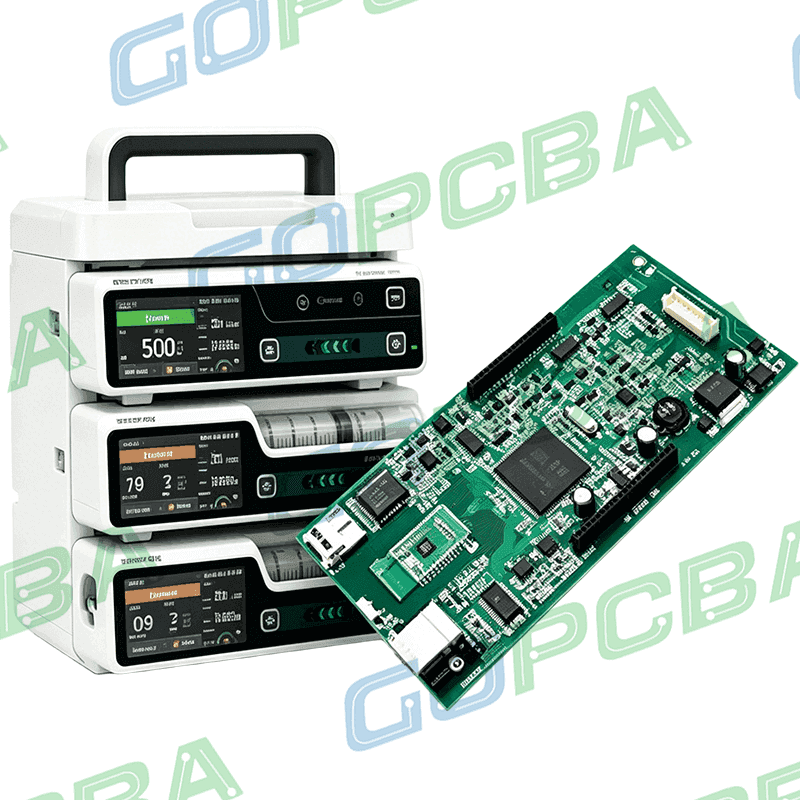
Finished assemblies are packed in antistatic bags, trays or divided material, with the tall components and connectors protected from pressure. The packaging delivery step is where the record meets the customer: the hardware version, the programme version, the batch and the quantity are distinguished on the label, and the carton label, the packing list and the accessories that travel with the product are agreed before production rather than at the point of shipment.
Where an order ships in instalments, each shipment is recorded against the production batch it came from, so that the link between a delivered unit and the conditions under which it was built survives the shipment. That is the point of the whole exercise: the record is useful only if it follows the goods out of the building.
The production flow these records belong to runs through SMT assembly, with pin-in-hole work through through-hole assembly, added value such as coating through conformal coating, verification through PCBA testing and the quality criteria that govern them under quality management.
What a Customer Should Ask For
The record is only useful if it contains what the customer will need to ask about later. It is worth agreeing at the start which identifier will appear on the assembly — a batch code, a date code or a serial number — and which of the production stages will be recorded against it. For a product with a firmware variant, the programme version belongs in that list; for a product with a safety function, so does the outcome of the test that exercises it.
It is equally worth agreeing what is not required. Recording every measurement on every board produces a document that nobody reads, and the useful record is the short one that answers the questions the product is actually likely to raise. Where a customer has a regulatory obligation, the fields that obligation requires are the ones to design the record around.
Handling an Exception Without Losing the Range
When a fault is found during a volume run, the first question is how far it reaches. A mis-loaded feeder affects every board built since the load; a single displaced component affects one board; a print trend that has been drifting affects the boards produced since the drift started, which may be a range that has to be identified from process records rather than from inspection.
That is why the exception is recorded rather than merely corrected. The time, the station, the production batch and the action taken together make it possible to state which assemblies are affected and which are not, and to release the unaffected ones with confidence instead of holding an entire shipment.
FAQ
Why is traceability more important in volume than in prototyping? Because a volume order can combine several board batches and component lots, so the affected range has to be identified from records rather than from board-by-board inspection.
What has to be frozen before production starts? The fabrication data, the bill of materials, the coordinates and the programme, with a single version identifier and a stated hardware revision for the firmware.
What belongs on the shipping label? The hardware version, the programme version, the production batch and the quantity, so that the delivered unit can be traced back to the conditions under which it was built.