Modern electronic products increasingly combine electrical, electronic, mechanical, and software technologies. The development of artificial intelligence (AI), the Internet of Things (IoT), industrial automation, robotics, and connected devices has accelerated demand for products that can sense, process, control, and respond to changing conditions.
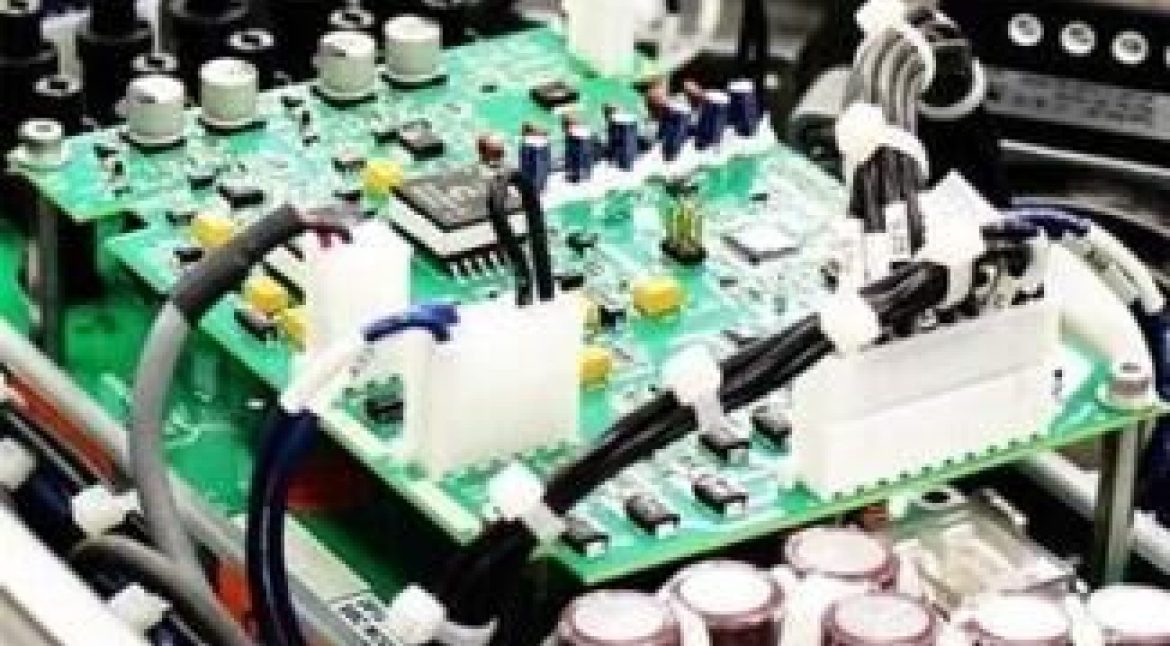
Electromechanical Assembly brings these different technologies together to create a complete and functional product. Instead of manufacturing an electronic circuit separately from its mechanical structure, electromechanical manufacturing integrates PCBs, electronic components, cables, connectors, power supplies, sensors, actuators, enclosures, mechanical structures, and other subsystems into one coordinated system.
This approach is widely used in industrial automation, telecommunications, medical electronics, automotive systems, consumer electronics, aerospace, robotics, energy equipment, and test and measurement systems.
What Is Electromechanical Assembly?
Electromechanical Assembly is the process of integrating electrical, electronic, and mechanical components into a functional product or system.
A typical electromechanical product may contain:
- PCB fabrication and assembly
- Electronic and mechanical components
- Custom cables and wire harnesses
- Connectors and terminals
- Power supplies
- Sensors and switches
- Relays and protection devices
- Programmable logic controllers (PLCs)
- Input/output (I/O) devices
- Pneumatic or hydraulic components
- Motors and actuators
- Displays and user interfaces
- DIN rails and mounting frames
- Enclosures
- Firmware and software
The exact configuration depends on the product’s function and operating environment.
For example, a camera may contain a PCB assembly, image sensor, lens module, connectors, mechanical supports, and an enclosure. During electromechanical integration, these individual components are positioned, connected, secured, programmed, and tested to create a complete functional product.
The objective is not simply to join parts together. The electrical, mechanical, thermal, and software interfaces must work together reliably within the intended operating environment.
Electromechanical Assembly Process
Electromechanical manufacturing can involve many different processes, so the production flow should be customized according to the product design and manufacturing requirements.
A typical process includes the following stages.
1. PCB Fabrication and Assembly
The PCB is usually one of the primary electronic subassemblies.
Depending on the product, the board may be single-sided, double-sided, multilayer, rigid, flexible, or rigid-flex.
PCB Assembly can include:
- Solder paste printing
- Solder paste inspection
- SMT component placement
- Reflow soldering
- Through-hole component insertion
- Wave or selective soldering
- AOI inspection
- X-ray inspection when required
- Electrical testing
The completed PCBA should be inspected and tested before it is integrated into the mechanical system.
2. Component and Material Procurement
Electronic and mechanical materials must be available before final integration can begin.
Depending on the project, the manufacturer may procure the required materials or work with customer-supplied components.
Typical materials include:
- Electronic components
- PCBs and PCB assemblies
- Metal or plastic enclosures
- DIN rails
- Mounting frames
- Fasteners
- Power supplies
- Connectors
- Cables and wires
- Sensors
- Switches
- Mechanical brackets
Procurement planning should consider component availability, lead time, minimum order quantities, lifecycle status, approved suppliers, and alternative components.
3. Cable and Wire Harness Assembly
Cables and wire harnesses provide electrical and signal connections between different components.
Cable Assembly may include:
- Wire cutting
- Stripping
- Crimping
- Terminal insertion
- Connector installation
- Soldering
- Labeling
- Continuity testing
- Insulation testing when required
Cable routing should be defined carefully to avoid excessive bending, abrasion, heat exposure, mechanical interference, and connector stress.
For high-volume products, some harness operations may be automated. For low-volume or highly customized products, manual assembly may provide greater flexibility.
4. Mechanical Assembly
Mechanical Assembly integrates the PCB, enclosure, brackets, heat sinks, fans, connectors, fasteners, and other mechanical parts.
Typical operations include:
- Screw fastening
- Bracket installation
- Connector mounting
- Heat sink installation
- Fan installation
- Panel installation
- Shielding installation
- Adhesive application
- Cable routing
- Enclosure closure
Mechanical tolerances must be controlled so that the electronic and mechanical components fit together correctly.
5. Electrical Integration
After the mechanical components are positioned, the electrical connections between subsystems are completed.
This may include connecting:
- PCB assemblies
- Power supplies
- Sensors
- Switches
- Motors
- Actuators
- Relays
- I/O modules
- Displays
- Communication interfaces
Correct polarity, connector orientation, wire identification, grounding, shielding, and cable routing should be verified during this stage.
6. Firmware and Software Programming
Some electromechanical products require firmware or software configuration before final testing.
Programming may include:
- Firmware flashing
- Device configuration
- Parameter setup
- Calibration
- Serial number assignment
- Software installation
- Communication configuration
Version control is particularly important when products contain programmable electronics. The approved firmware and software version should be clearly documented and traceable.
7. Functional Testing
After integration, the complete system should be tested as a functional unit.
Testing may include:
- Power-up testing
- Electrical continuity testing
- Input/output verification
- Sensor testing
- Communication testing
- Motor or actuator testing
- Display testing
- Functional performance testing
- Safety testing
- Firmware verification
The acceptance criteria should be established before production so that the manufacturer and customer have a common understanding of what constitutes a passing product.
8. Reliability and Environmental Testing
Depending on the application, additional reliability testing may be required.
Examples include:
- Temperature testing
- Humidity testing
- Thermal cycling
- Vibration testing
- Shock testing
- Burn-in testing
- Electrical stress testing
Not every product requires all of these tests. The appropriate test program should be based on product specifications, operating conditions, regulatory requirements, and risk assessment.
9. Labeling and Packaging
The final stage may include product labeling, serial-number verification, accessories, user documentation, protective packaging, and shipment preparation.
Packaging should protect the assembled system from mechanical damage, moisture, electrostatic discharge, and contamination during transportation and storage.
Industrial Applications of Electromechanical Assembly
Electromechanical products are used in many industries because they combine electronic control with physical functions.
Common applications include:
- Consumer electronics
- Home appliances
- Industrial control systems
- Automation equipment
- Test and measurement equipment
- Automotive electronics
- LED lighting systems
- Solar energy equipment
- Telecommunications
- Wireless and networking equipment
- Wearable devices
- IoT equipment
- Robotics
- Aerospace electronics
- Defense-related electronics
- Machine tools
- Medical electronics
- Industrial equipment
- Energy management systems
For example, an industrial automation system may combine PLCs, sensors, actuators, relays, power supplies, communication modules, cables, and mechanical structures. These components must operate together as one coordinated system.
Key Components of an Electromechanical Assembly
1. Cable and Wire Assemblies
Cables and wires transfer electrical power and signals between components.
The design of a cable assembly should consider:
- Current and voltage requirements
- Conductor size
- Insulation material
- Temperature rating
- Bend radius
- Connector type
- Shielding
- EMI/EMC requirements
- Mechanical stress
- Routing and strain relief
Correct cable routing is especially important in systems containing moving parts, motors, high-temperature components, or high-speed signals.
2. Power Supplies
Power supplies convert and regulate electrical energy so that different subsystems receive the appropriate voltage and current.
Depending on the application, an electromechanical product may use AC/DC power supplies, DC/DC converters, batteries, transformers, rectifiers, or other power-management components.
Power-system design should consider efficiency, thermal performance, protection, electromagnetic compatibility, and applicable safety requirements.
3. Switches and Sensors
Switches and sensors allow a system to detect conditions and respond to physical changes.
Examples include:
- Limit switches
- Rotary switches
- Proximity sensors
- Temperature sensors
- Pressure sensors
- Optical sensors
- Motion sensors
- Position sensors
Sensors convert physical conditions such as temperature, light, pressure, sound, or motion into electrical signals that can be processed by the control system.
Correct sensor placement and secure mechanical mounting are essential for reliable operation.
4. PCB Assemblies
A PCB provides the electrical interconnection platform for electronic components.
Components may be mounted using SMT, THT, or a combination of both technologies.
The PCB assembly may provide functions such as:
- Signal processing
- Power management
- Communication
- Sensor control
- Motor control
- Data processing
- User-interface control
After assembly and testing, the PCBA can be integrated into the mechanical structure of the final product.
5. DIN Rails, Frames, and Enclosures
DIN rails and mounting frames are widely used in industrial control systems because they provide a structured method for installing electrical and control components.
Enclosures protect internal components from mechanical damage and, depending on their design, can also provide protection against dust, moisture, electromagnetic interference, and other environmental conditions.
The enclosure should provide sufficient space for:
- PCB assemblies
- Power supplies
- Cables
- Connectors
- Switches
- Sensors
- Relays
- I/O modules
- Thermal-management components
Mechanical access for assembly, maintenance, inspection, and service should also be considered.
Electromechanical Assembly from Design to Production
A successful electromechanical product requires coordination between engineering, procurement, manufacturing, quality, and testing teams.
1. Design Process
The design stage establishes the product’s functional and manufacturing requirements.
Engineers may use CAD and 3D modeling software to evaluate:
- Component placement
- Mechanical dimensions
- Enclosure structure
- Cable routing
- Mounting locations
- Interference
- Tolerances
- Thermal behavior
- Service access
Design documentation should include electrical schematics, mechanical drawings, PCB files, BOMs, assembly instructions, and test specifications.
2. Requirements Definition
Product requirements should be established before detailed manufacturing planning begins.
These may include:
- Electrical specifications
- Mechanical requirements
- Environmental conditions
- Safety requirements
- Reliability targets
- Interface requirements
- Regulatory requirements
- Packaging requirements
- Testing requirements
Clear requirements reduce the risk of repeated design changes later in the manufacturing process.
3. Material Selection
Material selection depends on the product’s operating environment and performance requirements.
Engineers may consider:
- Mechanical strength
- Corrosion resistance
- Thermal conductivity
- Electrical insulation
- Weight
- Cost
- Availability
- Manufacturability
- Chemical resistance
Materials and components may also need to comply with applicable environmental or regulatory requirements, such as RoHS or REACH, depending on the target market and product category.
4. Assembly of Electrical and Mechanical Components
Once the materials are available, the electrical and mechanical subsystems can be integrated.
Automation may be appropriate for repetitive, high-volume operations with stable product designs. Manual assembly can be more practical for low-volume or high-mix products that require frequent changes.
In either case, assembly instructions should clearly specify component orientation, fastening methods, torque values, cable routing, connector installation, and inspection points.
5. Inspection and Testing
Inspection and testing verify that the assembled product meets its requirements.
Automated inspection may use cameras, measurement systems, software algorithms, and controlled lighting to identify dimensional or visual defects.
However, automated inspection does not replace all forms of functional testing. Electrical and system-level tests are still required when the product’s performance cannot be verified through visual inspection alone.
Why Electromechanical Systems Are Important
Electromechanical systems have become increasingly important because modern products require close integration between electronic control and physical movement or mechanical functions.
Examples include:
- Industrial robots
- Automated production equipment
- Motor control systems
- Medical equipment
- Automotive systems
- HVAC equipment
- Smart appliances
- Transportation systems
- Semiconductor equipment
- Energy systems
Advances in sensors, microcontrollers, power electronics, motors, communication technologies, and embedded software have enabled increasingly compact and intelligent electromechanical systems.
Microelectromechanical systems (MEMS) have also expanded the use of miniature sensors and actuators in consumer, medical, automotive, industrial, and other applications.
The historical development of electromechanical technology has involved many different fields, including electrical power, motors, control systems, electronics, computing, and semiconductor technology. Rather than being attributable to a single invention or individual, modern electromechanical systems are the result of developments across these interconnected technologies.
Design Considerations for Electromechanical Assembly
1. Requirements Definition
A clear set of requirements provides the foundation for product development.
Design teams should define the required functions, interfaces, environmental conditions, dimensions, performance targets, and reliability requirements before manufacturing begins.
Requirements may evolve during prototype validation, so engineering change control should be established to manage revisions.
2. Material Selection
Material selection should balance performance, cost, availability, manufacturability, and environmental requirements.
For example, mechanical materials may need to withstand vibration or corrosion, while electrical materials may need appropriate dielectric, thermal, and insulation properties.
For products operating in demanding environments, material compatibility should also be evaluated.
3. Thermal Management
Thermal performance is an important consideration when PCB assemblies, power supplies, motors, LEDs, or other heat-generating components are integrated into an enclosure.
Design teams should consider:
- Heat generation
- Thermal conductivity
- Airflow
- Heat sinks
- Fans
- Enclosure ventilation
- Component temperature limits
- Thermal expansion
Thermal simulation or finite element analysis (FEA) may be used for products with demanding thermal requirements.
Differences in the coefficient of thermal expansion (CTE) between materials can also create mechanical stress during temperature changes.
4. Design for Manufacturability
DFM helps ensure that the product can be manufactured consistently at the required quality and cost.
For electromechanical products, DFM should cover both electronic and mechanical aspects, including:
- Component availability
- PCB manufacturability
- Mechanical tolerances
- Fastener access
- Cable routing
- Assembly sequence
- Test access
- Tool accessibility
- Enclosure design
A design that performs well electrically but is difficult to assemble mechanically may create unnecessary production costs and delays.
5. Design for Assembly
Design for Assembly should be considered alongside DFM.
The design should allow operators or automated equipment to install components in a logical and repeatable sequence.
Good DFA practices can reduce:
- Assembly time
- Component count
- Fastening operations
- Incorrect installation
- Rework
- Production variability
Quality Control in Electromechanical Manufacturing
Quality control should cover the complete manufacturing process rather than relying only on final inspection.
A typical quality flow may include:
Incoming Inspection → PCB Assembly Inspection → Subassembly Inspection → Mechanical Assembly → Electrical Verification → Functional Testing → Final Inspection
Traceability can be maintained through:
- Serial numbers
- Barcodes
- Lot numbers
- Component date codes
- Production records
- Inspection records
- Test results
- Firmware versions
ESD protection is also important when sensitive electronic components and PCB assemblies are handled.
For products with critical safety or performance requirements, test fixtures should be properly designed and maintained, while measurement equipment should be appropriately controlled and calibrated.
Selecting a Reliable Electromechanical Assembly Supplier
When choosing an electromechanical manufacturing partner, several factors should be considered.
1. Technical Capability
The supplier should understand both electrical and mechanical manufacturing requirements.
Relevant capabilities may include:
- PCB assembly
- Cable assembly
- Mechanical assembly
- Enclosure integration
- System integration
- Programming
- Functional testing
- Prototype manufacturing
- Production support
The ability to identify manufacturing risks early can reduce problems during production.
2. Manufacturing Capability
Evaluate whether the supplier has suitable equipment and processes for the required product.
This may include:
- SMT equipment
- THT assembly equipment
- Cable processing equipment
- Mechanical assembly tools
- Automated inspection equipment
- Electrical test equipment
- Functional test systems
The required capabilities will depend on product complexity and production volume.
3. Quality Management
Quality should be evaluated through actual manufacturing procedures as well as applicable certifications.
Important areas include:
- Incoming inspection
- Process control
- Final inspection
- Traceability
- Nonconformance management
- Corrective actions
- Test documentation
- Engineering change control
Relevant industry standards should be selected according to the product and market requirements.
4. Cost Structure
The quoted price should be evaluated together with the complete manufacturing scope.
Cost can be affected by:
- Material selection
- Component prices
- PCB complexity
- Assembly complexity
- Mechanical tolerances
- Cable requirements
- Testing requirements
- Tooling
- Packaging
- Production volume
A detailed RFQ and clear statement of work can make supplier quotations easier to compare.
5. Communication and Responsiveness
Electromechanical projects involve many interconnected engineering and manufacturing activities.
Effective communication is therefore important during:
- Design review
- Prototype development
- BOM changes
- Material procurement
- Production planning
- Quality issue resolution
- Engineering changes
- Final testing
Clear documentation and revision control help prevent misunderstandings.
Kingda Electromechanical Assembly Services
Kingda can support customers requiring integrated electronic and mechanical manufacturing solutions.
Depending on project requirements, the service scope can include PCB Assembly, Cable Assembly, Mechanical Assembly, system integration, programming, inspection, and functional testing.
Kingda can work with customer-provided technical documentation, including electrical schematics, PCB files, BOMs, mechanical drawings, assembly instructions, and test requirements.
For complex products, the manufacturing process can be planned around the complete system architecture rather than treating the PCB, cables, and mechanical components as isolated production tasks.
The specific materials, assembly methods, testing requirements, production volume, and quality controls should be determined according to each product’s technical specifications.

Best Practices for Electromechanical Assembly
To improve production consistency and reduce manufacturing risks, manufacturers should:
- Define product requirements before detailed manufacturing planning.
- Conduct DFM and DFA reviews early in the design cycle.
- Maintain accurate and revision-controlled BOMs.
- Verify component and material availability.
- Define cable routing and connector requirements clearly.
- Establish mechanical tolerances and fastening requirements.
- Develop functional test procedures before production.
- Maintain firmware and software version control.
- Use appropriate fixtures for repeatable assembly.
- Establish product-level traceability.
- Apply suitable ESD protection procedures.
- Monitor recurring defects and implement corrective actions.
Conclusion
Electromechanical Assembly combines electronic, electrical, mechanical, and software elements into a complete functional product. It can include PCB Assembly, Cable Assembly, Mechanical Assembly, system integration, programming, inspection, and functional testing.
Because these products contain many interconnected components, successful electromechanical manufacturing requires careful planning from the initial design stage through material procurement, assembly, testing, and final delivery.
A strong manufacturing strategy should integrate DFM, DFA, thermal management, cable routing, mechanical tolerances, quality control, traceability, and supply chain planning. Working with an experienced manufacturing partner such as Kingda can help OEMs coordinate these requirements within a structured production process and support the transition from prototype development to production.